← Fame through time1900-1999
The 20th century
Whose names filled the books of the 20th century - anyone at all, however long dead - counted as mentions per million words printed, so a period that simply published more does not inflate anyone.
Talked about then
Whose names appeared most in Italian books during the 20th century, whenever they lived.
- 1
 Giotto5.4
- 2
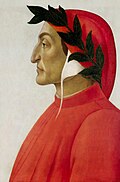 Dante Alighieri5.0
- 3
 Caravaggio3.8
- 4
 Leonardo da Vinci3.8
- 5
 Antonio da Correggio3.7
- 6
 Benedetto Croce3.3
- 7
 Donato Bramante2.9
- 8
 Donatello2.8
- 9
 Giuseppe Mazzini2.2
- 10
 Alessandro Manzoni2.2
- 11
 Ugo Foscolo2.1
- 12
 Pietro Perugino2.0
- 13
 Tintoretto1.9
- 14
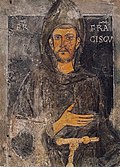 Francis of Assisi1.8
- 15
 Giacomo Leopardi1.8
- 16
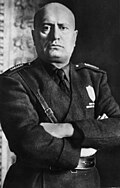 Benito Mussolini1.8
- 17
 Torquato Tasso1.7
- 18
 Masaccio1.7
- 19
 Giordano Bruno1.6
- 20
 Lorenzo de' Medici1.6
- 21
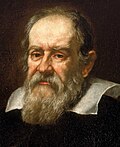 Galileo Galilei1.6
- 22
 Charles Borromeo1.6
- 23
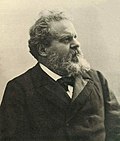 Giosuè Carducci1.5
- 24
 Marco Polo1.4
- 25
 Giuseppe Verdi1.4
Lived then
The most notable people whose working lives fell in the 20th century, ranked where coverage and readership agree.
- 1
 Alfred Hitchcock9 decades
- 2
 Ridley Scott4 decades
- 3
 Danny Boyle2 decades
- 4
 Terry Gilliam4 decades
- 5
 Tony Scott6 decades
- 6
 Frank Oz2 decades
- 7
 David Lean8 decades
- 8
 Anthony Minghella2 decades
- 9
 Ken Loach3 decades
- 10
 Alan Parker5 decades
- 11
 Tony Richardsonnot measured-
- 12
 David Yatesnot measured-
- 13
 Ken Russellnot measured-
- 14
 John Boormannot measured-
- 15
 Peter Greenawaynot measured-
- 16
 Stephen Frearsnot measured-
- 17
 David Heymannot measured-
- 18
 Michael Aptednot measured-
- 19
 Nick Parknot measured-
- 20
 Andrea Arnoldnot measured-
- 21
 Roland Joffénot measured-
- 22
 Carol Reednot measured-
- 23John Schlesingernot measured-
- 24
 Michael Winterbottomnot measured-
- 25
 Betty Williamsnot measured-
How to read these rankings
- Attention, not reputation. A place on these lists reflects the attention a person still draws in the public record. It is not a judgement on the life.
- Fame in print. The curves show how often a name appeared in the books of each decade from 1800 to 2019, drawn from the Google Books Ngram corpus.
- Gaps are left as gaps. Where the record is too thin to be fair, we would rather show nothing than guess.