← Fame through time1900-1909
The 1900s
Whose names filled the books of the 1900s - anyone at all, however long dead - counted as mentions per million words printed, so a period that simply published more does not inflate anyone.
Talked about then
Whose names appeared most in Hebrew books during the 1900s, whenever they lived.
- 1
 Rav Ashi44
- 2
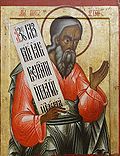 Haggai14
- 3
 Ahad Ha'am13
- 4
 Sabbatai Zevi11
- 5
 Johanan ben Zakai8.5
- 6
 Habakkuk8.0
- 7Simeon ben Gamliel II7.2
- 8Saadia Gaon7.2
- 9
 Hai Gaon6.6
- 10Nathan the Babylonian5.1
- 11
 Hillel the Elder4.5
- 12
 Menasseh Ben Israel3.8
- 13Simeon ben Zoma3.5
- 14Samuel ibn Naghrillah3.4
- 15
 Isaac Abrabanel3.3
- 16
 Judas Maccabeus2.9
- 17
 Solomon Molcho2.2
- 18
 Amram Gaon2.2
- 19
 Baal Shem Tov2.0
- 20Judah ben Samuel of Regensburg2.0
- 21
 Josephus1.9
- 22
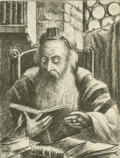 Rabbeinu Tam1.7
- 23Hasdai Crescas1.5
- 24Joseph Albo1.4
- 25
 Hayyim ben Joseph Vital1.3
Lived then
The most notable people whose working lives fell in the 1900s, ranked where coverage and readership agree.
- 1
 Winston Churchill13 decades
- 2
 Vladimir Lenin12 decades
- 3
 Mahatma Gandhi10 decades
- 4
 Marie Curie4 decades
- 5
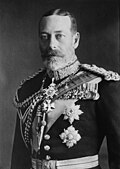 George V16 decades
- 6
 Grigori Rasputin11 decades
- 7
 Herbert Hoover11 decades
- 8
 Nicholas II of Russia14 decades
- 9
 Sun Yat-sen12 decades
- 10
 Calvin Coolidge11 decades
- 11
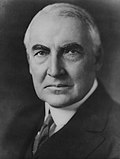 Warren G. Harding11 decades
- 12
 Rudyard Kipling13 decades
- 13
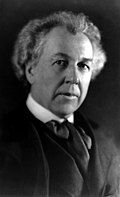 Frank Lloyd Wright12 decades
- 14
 Rosa Luxemburg13 decades
- 15
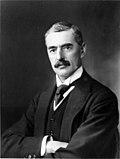 Neville Chamberlain16 decades
- 16
 H. G. Wells16 decades
- 17
 Bertrand Russell13 decades
- 18
 Harry Houdini7 decades
- 19
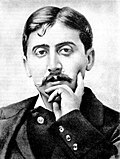 Marcel Proust12 decades
- 20
 Henri Matisse12 decades
- 21
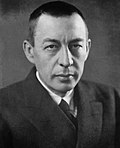 Sergei Rachmaninoffnot measured-
- 22
 Robert Frost13 decades
- 23
 W. B. Yeats12 decades
- 24
 G. K. Chesterton12 decades
- 25
 Beatrix Potter10 decades
How to read these rankings
- Attention, not reputation. A place on these lists reflects the attention a person still draws in the public record. It is not a judgement on the life.
- Fame in print. The curves show how often a name appeared in the books of each decade from 1800 to 2019, drawn from the Google Books Ngram corpus.
- Gaps are left as gaps. Where the record is too thin to be fair, we would rather show nothing than guess.