
What kind of moment: History, War
Korean War begins
North Korea's invasion of the South triggered the first Cold War proxy conflict and divided the peninsula for over 70 years.
- When
- 25 June 1950 to 27 July 1953 (ceasefire)
- Where
- Korean Peninsula, Yellow Sea, Sea of Japan, Korea Strait, China-North Korea border
- Outcome
- Inconclusive
The Korean War hardened Cold War divisions, established the U.S. security commitment to Asia, and left the Korean Peninsula split along the 38th parallel for seven decades. It introduced large-scale conventional warfare between communist and capitalist powers and demonstrated that the superpowers would risk direct confrontation over regional proxy conflicts.
In numbers
- War deaths (estimated)
- 2-3 million combatants and civilians
Where it sits in their lives
 Joseph Stalin1878 to 195371
 Mao Zedong1893 to 197656
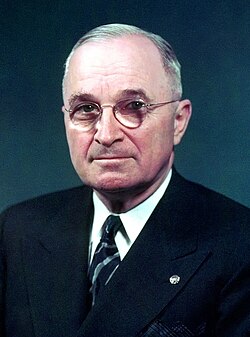 Harry S. Truman1884 to 197266
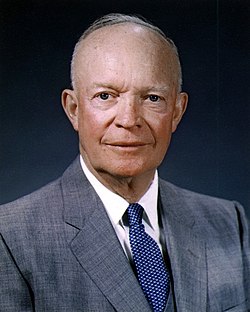 Dwight D. Eisenhower1890 to 196959
- Their age at this moment
- Their other moments in history
How it unfolded
North Korea invades South Korea
North Korean forces cross the 38th parallel in a coordinated military offensive, capturing Seoul within days and pushing South Korean forces south.
UN Security Council authorizes military intervention
With the Soviet Union absent from the council, the U.S. secures authorization for UN-led military action. President Truman orders American forces to support South Korea.
Inchon Landing
MacArthur executes an amphibious landing behind North Korean lines at Inchon, rapidly reversing the military situation and forcing North Korean forces northward.
UN forces enter North Korea
UN and South Korean troops cross the 38th parallel and push toward the Yalu River, approaching the Chinese border.
Retreat from the Yalu
UN forces, outnumbered by Chinese troops, begin a major retreat southward. The war becomes a grinding stalemate.
Korean Armistice Agreement signed
North and South Korea, along with their allies, sign an armistice near Panmunjom. No formal peace treaty is signed; technically, the war never ends.
- What followed
1953: Partition solidified
- What followed
1954: Cold War escalation
- What followed
1960: South Korea's transformation
Who took part


More about this war
Leaders
Syngman Rhee (First Republic of Korea, United Nations), Harry S. Truman, Dwight D. Eisenhower, Douglas MacArthur, Matthew Ridgway, Mark W. Clark
Kim Il-sung (North Korea, China +1 more), Mao Zedong, Peng Dehuai, Joseph Stalin
Before and after, with the same people
- 1948 United States presidential election: Harry S. Truman wins
 TrumanSee the moment ›
- North Korean invasion of South Korea

 Il-sung, RheeSee the moment ›
- Korean War begins

 Stalin, Zedong, TrumanThis moment
- 1952 United States presidential election: Dwight D. Eisenhower wins

 Truman, Eisenhower, MacArthurSee the moment ›
- Interstate Highway System AuthorizedEisenhowerSee the moment ›