
What kind of moment: History, Fire
Apollo 1 launch Pad fire
Apollo program was a fire in the United States in 1967.
- When
- 1967
The Apollo 1 fire became a watershed moment for spaceflight safety culture. It forced a complete redesign of the command module, rewrote testing protocols, and demonstrated that technical arrogance could be fatal - lessons that influenced human spaceflight operations for decades. Without the reforms it demanded, the Apollo program's later successes would have been impossible.
In numbers
- Crew fatalities
- 3 (Gus Grissom, Ed White, Roger Chaffee)
- Apollo program delay
- 21 months until next crewed flight
- Investigation duration
- Approximately 8 months
How it unfolded
Final launch rehearsal scheduled
Official investigation begins
NASA Administrator James E. Webb announced the formation of an accident investigation board chaired by Floyd L. Thompson, a veteran engineer from Langley Research Center.
Thompson Report released
Major redesign efforts underway
First unmanned Apollo 4 flight
NASA launched an unmanned Saturn V with an updated Command Module, validating the redesigned hardware and signaling progress toward return to human spaceflight.
Apollo 11 reaches the Moon
Neil Armstrong and Buzz Aldrin landed on the lunar surface, fulfilling President Kennedy's goal. The mission depended entirely on the safety culture and design rigor imposed by Apollo 1's catastrophe.
- What followed
1967: Apollo 1 Review Board investigation
- What followed
1967: Apollo Command Module redesign
- What followed
1968: Delayed Apollo program schedule
Named in the story
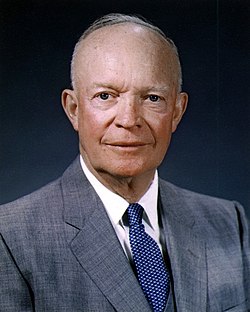
More about this fire
Before and after, with the same people
- Integration of Little Rock High School
 EisenhowerSee the moment ›
- 1960 United States presidential election: John F. Kennedy winsEisenhowerSee the moment ›
- Apollo 1 launch Pad fireEisenhowerThis moment