
Keira Knightley
✓ Source-basedstableBritish actress
She played a swashbuckling franchise hero in her teens, then pivoted hard into corsets and literary adaptations - two Oscar nominations by thirty, and a career built on the irony that Hollywood's idea of "period drama" became her lane.
Also inDeutsch
Photos 9

 Knightley's costume from Star Wars: Episode I - The Phantom Menace (1999) on display at the Detroit Institute of Arts
 Knightley at the premiere of Pirates of the Caribbean: Dead Man's Chest (2006)
 Knightley attending the premiere of Pride & Prejudice at the 2005 Toronto International Film Festival; the role earned Knightley her first Academy Award nomination
 Knightley at the premiere of Atonement held at the Odeon Leicester Square in London on 4 September 2007
 Knightley received critical acclaim for her portrayal of 18th-century aristocrat Georgiana Cavendish in The Duchess (2008)
 Knightley at the 2011 Venice Film Festival
 Knightley at the premiere of Laggies (2014)
In their own words 6
A lot of times in cinema today the women are overly sentimental, so I constantly try to do the opposite. I like strident women.
Interview in Allure magazine (October 2007)
I went from everyone saying, "She-can't-act-she-can't-act-she-can't-act," to an Oscar nomination. So there was something quite sublime about that!
On her role as Elizabeth Bennet in the 2005 film Pride and Prejudice, in Allure magazine (October 2007)
I haven't got a clue about how much I weigh. I do not own any scales. And I have noticed it creates an anger in people who are not skinny.
Interview in Allure magazine (October 2007)
Listen
SpotifyFilmography 40
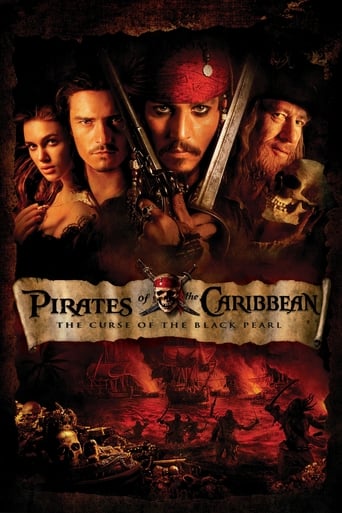 Pirates of the Caribbean: The Curse of the Black Pearl
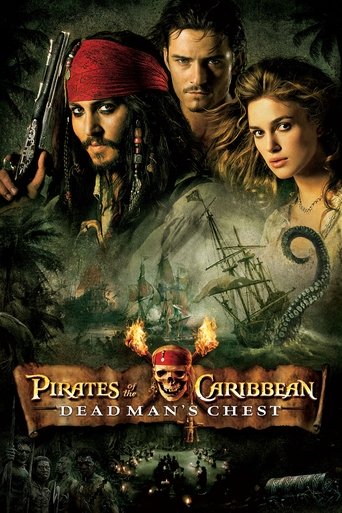 Pirates of the Caribbean: Dead Man's Chest
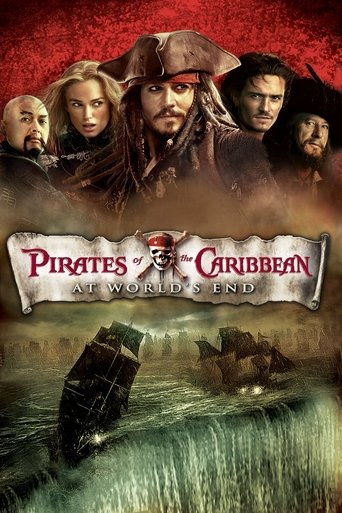 Pirates of the Caribbean: At World's End
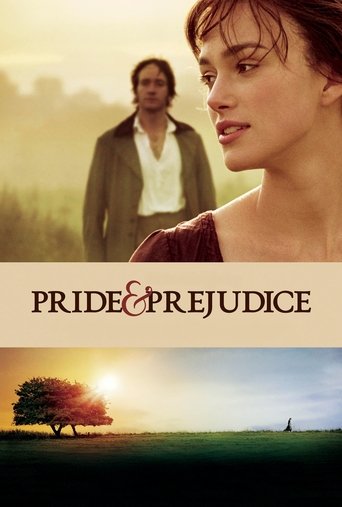 Pride & Prejudice
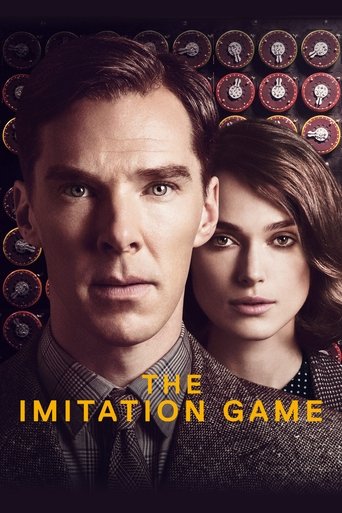 The Imitation Game
 Pirates of the Caribbean: Dead Men Tell No Tales
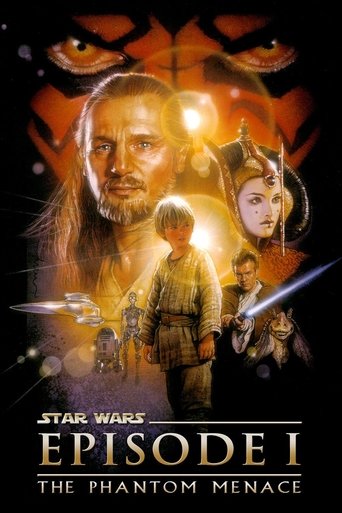 Star Wars: Episode I - The Phantom Menace
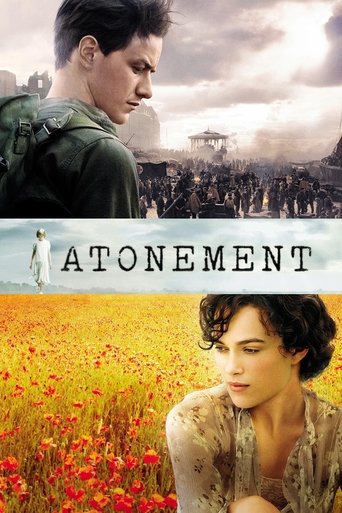 Atonement
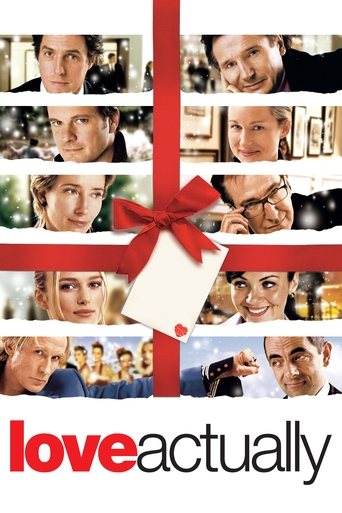 Love Actually
 Everest
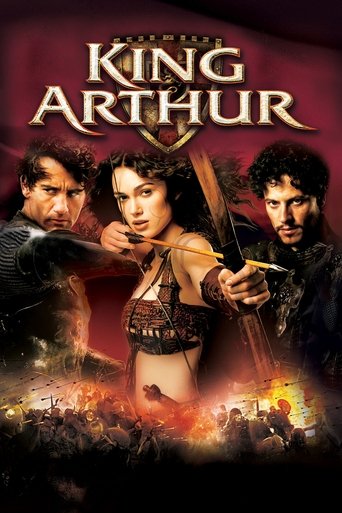 King Arthur
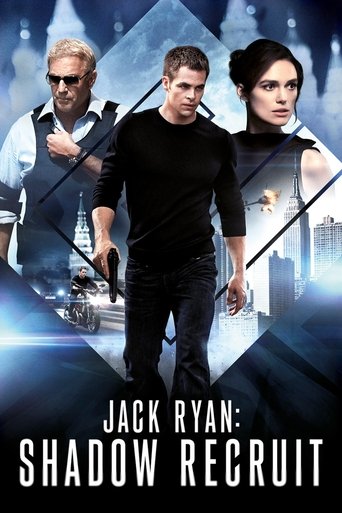 Jack Ryan: Shadow Recruit
 Collateral Beauty
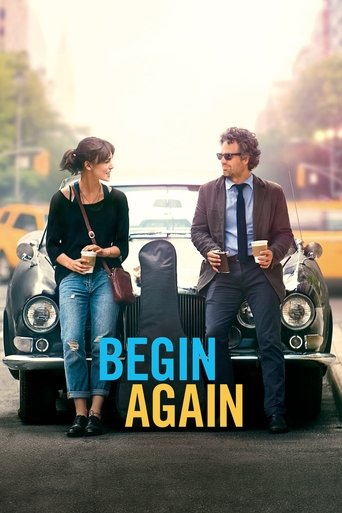 Begin Again
 Anna Karenina
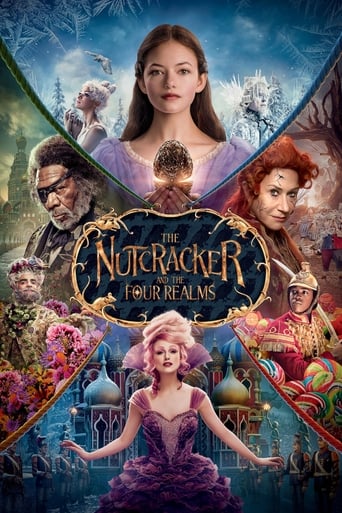 The Nutcracker and the Four Realms
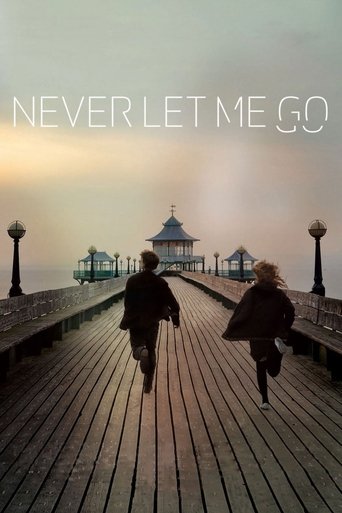 Never Let Me Go
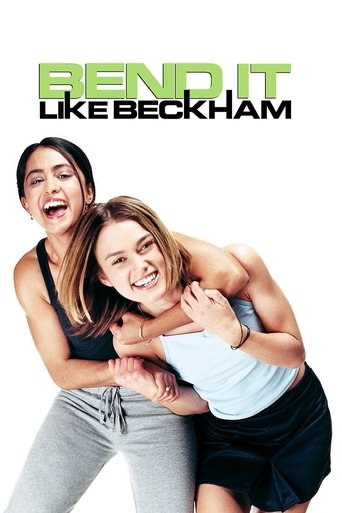 Bend It Like Beckham
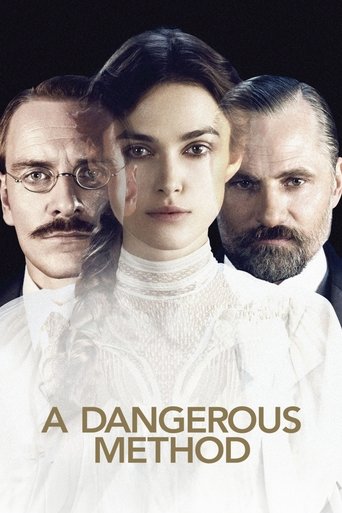 A Dangerous Method
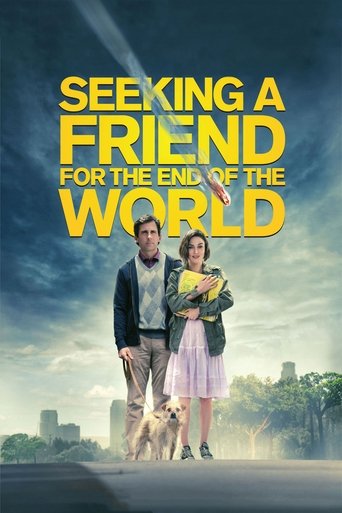 Seeking a Friend for the End of the World
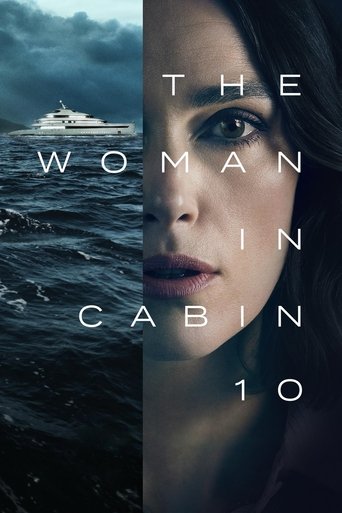 The Woman in Cabin 10
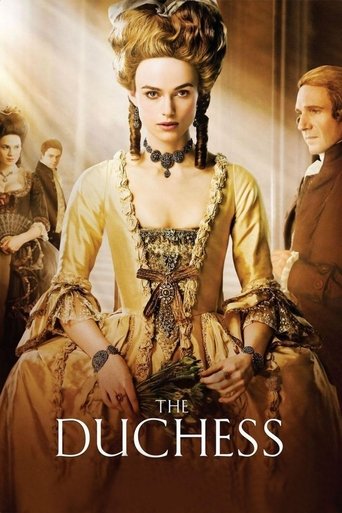 The Duchess
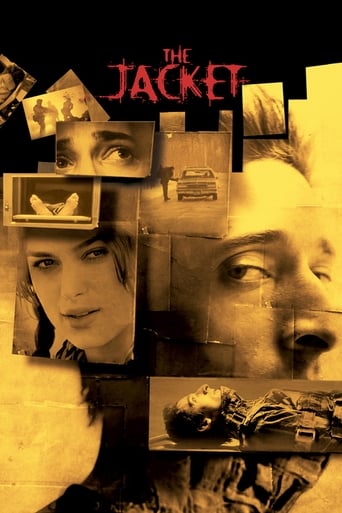 The Jacket
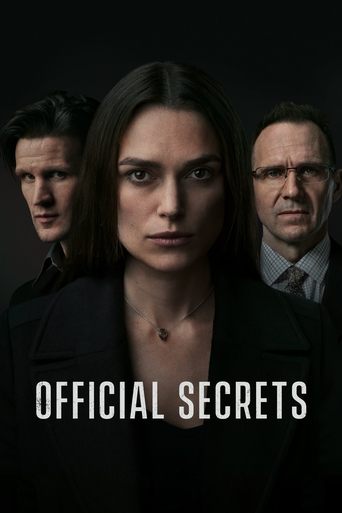 Official Secrets
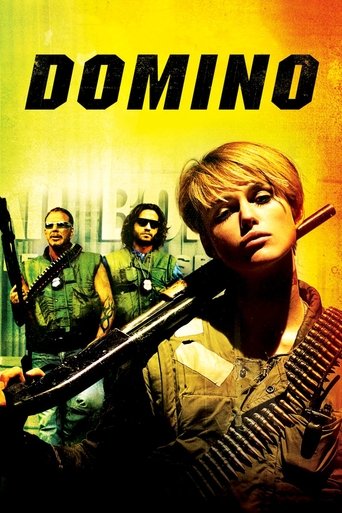 Domino
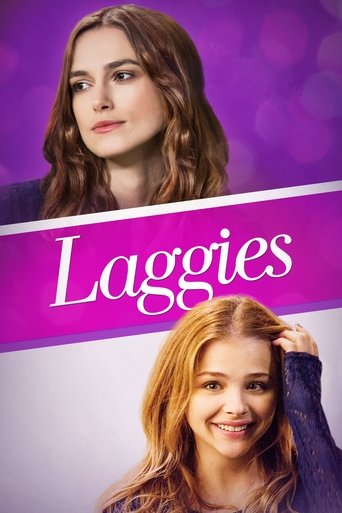 Laggies
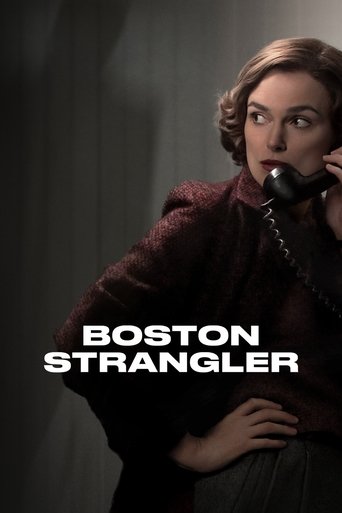 Boston Strangler
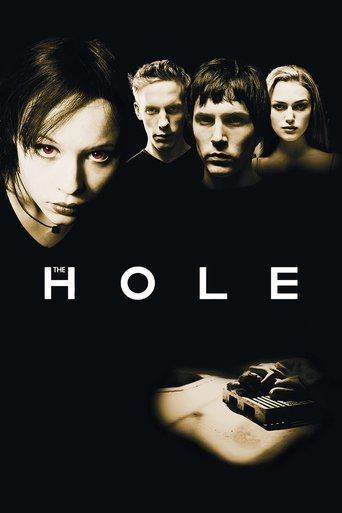 The Hole
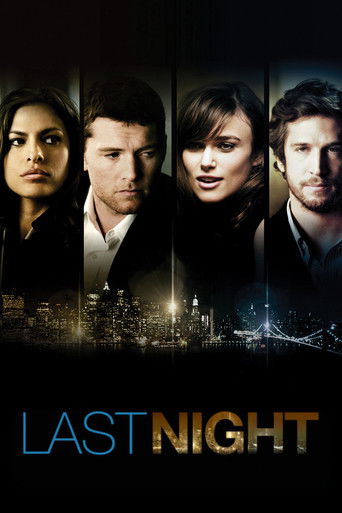 Last Night
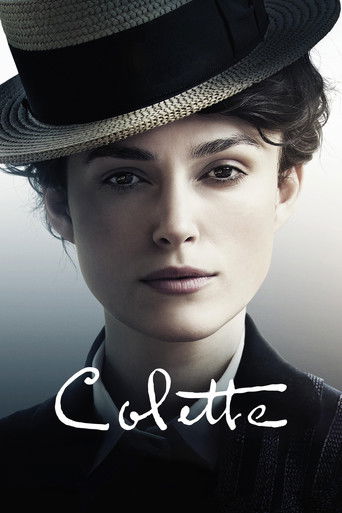 Colette
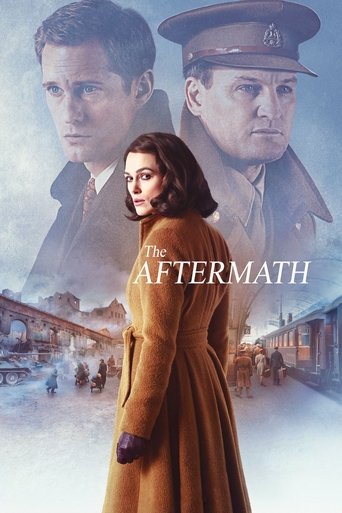 The Aftermath
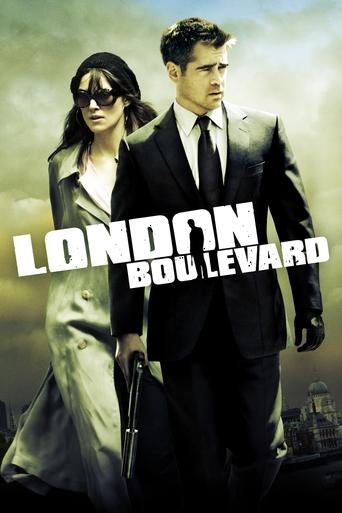 London Boulevard
 Silent Night
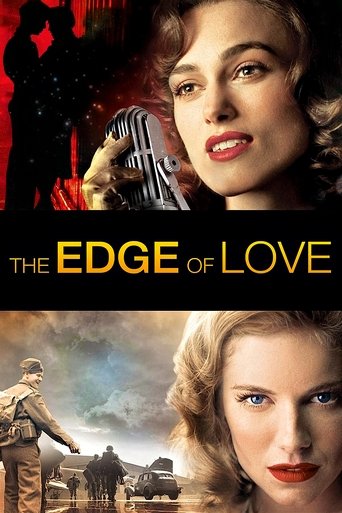 The Edge of Love
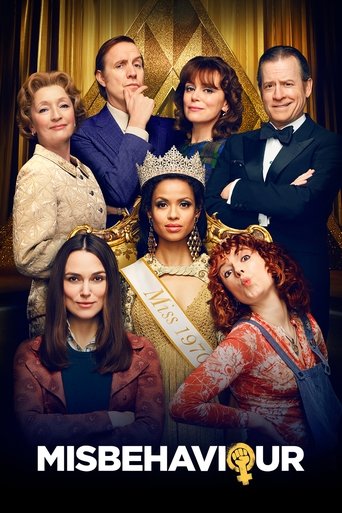 Misbehaviour
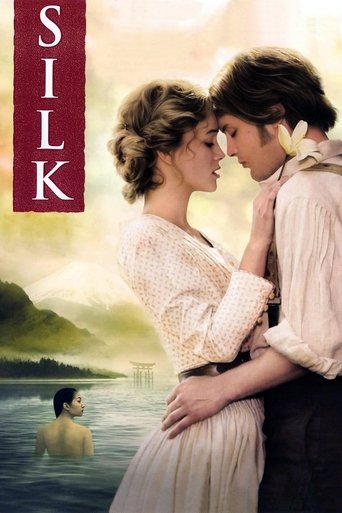 Silk
Silk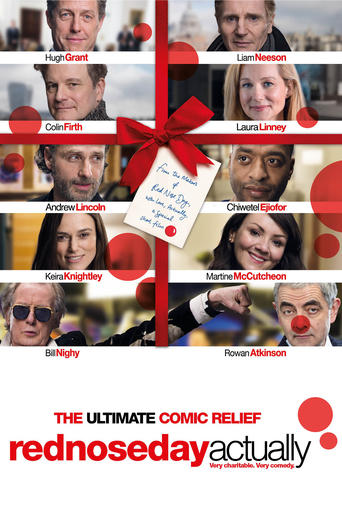 Red Nose Day Actually
 Greed
Greed Princess of Thieves
 Thunderpants
106 credits on file
Television 24
 Watch What Happens Live with Andy Cohen
 The Tonight Show Starring Jimmy Fallon
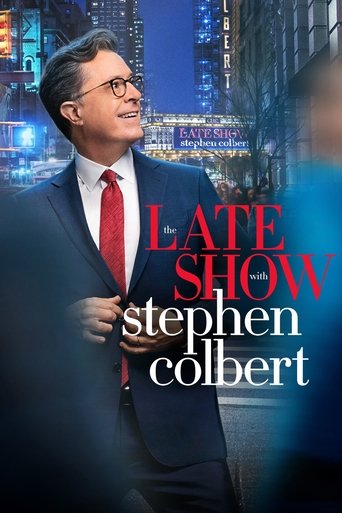 The Late Show with Stephen Colbert
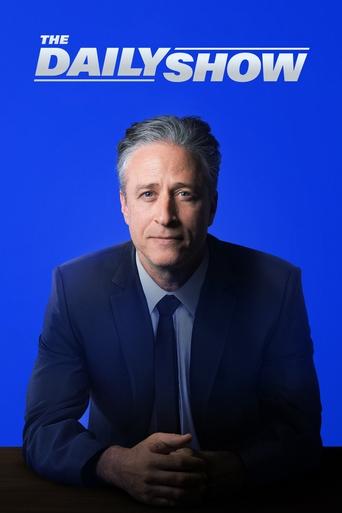 The Daily Show
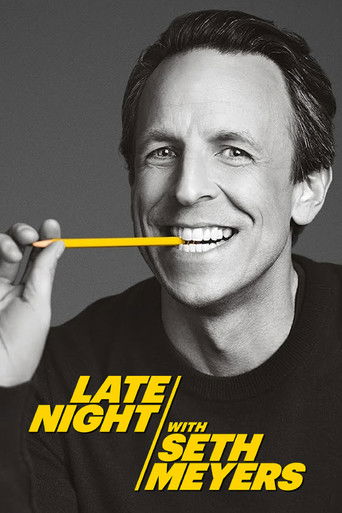 Late Night with Seth Meyers
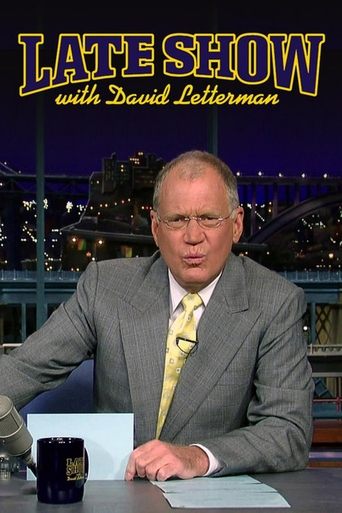 Late Show with David Letterman
 The Graham Norton Show
 The View
 Jimmy Kimmel Live!
 LIVE with Kelly and Mark
 Golden Globe Awards
 Late Night with Conan O'Brien
 The Tonight Show with Jay Leno
 The Ellen DeGeneres Show
 American Idol
 Variety Studio: Actors on Actors
 Richard & Judy
 The Bill
 The Oscars
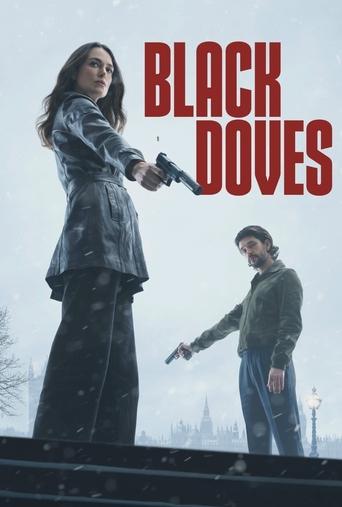 Black Doves
 The Reichen Show
 The Wonderful World of Disney
 Friday Night with Jonathan Ross
 Neverland
Awards 5
In their orbit 4

Connected to Keira 6
 Kaya ScodelarioAlso in Pirates of the Caribbean: Dead Men Tell No Tales (2017)
 Zoe SaldañaAlso in Pirates of the Caribbean: The Curse of the Black Pearl (2003)
 Stellan SkarsgårdAlso in Pirates of the Caribbean: Dead Man's Chest (2006)
 Lisa StansfieldAlso in The Edge of Love (2008)
 Macy GrayAlso in Domino (2005)
 Laurence FoxAlso in The Hole (2001)
About this person
Born in London in 1985 to an actor father and playwright mother, Knightley started young - agent at six, bit parts in commercials, a blink-and-miss role as a decoy queen in The Phantom Menace. Bend It Like Beckham in 2002 gave her the breakthrough, Love Actually the following year gave her range, and then Pirates of the Caribbean made her a global name as Elizabeth Swann. Pride & Prejudice in 2005 earned her a Best Actress Oscar nomination at twenty, and she spent the next stretch in a run of period pieces - Atonement, The Duchess, Anna Karenina - before a second nomination came for The Imitation Game in 2014. She's since moved between eras and tones, playing Colette, a journalist hunting the Boston Strangler, and a spy in Black Doves, while logging stage work in the West End and on Broadway. Appointed an OBE in 2018, she's vocal on social issues and works with Amnesty International and Oxfam, married to musician James Righton with two daughters.
 United Kingdom
Fame.am measures public visibility signals. It does not measure human value, talent, morality, or credibility.