
What kind of moment: History, War
American Revolutionary War begins
- When
- 19 April 1775 to 3 September 1783
- Where
- Eastern North America, North Atlantic Ocean, the Caribbean and Europe
- Outcome
- American Patriot and allied victory; Signing of the United States Declaration of Independence in 1776; Great Britain would not recognize American independence until signing of the Treaty of Paris
On April 19, 1775, armed colonists clashed with British troops at Lexington and Concord in Massachusetts, marking the start of open warfare between Great Britain and thirteen American colonies. The conflict, which would last until 1783, transformed a political dispute over taxation and representation into a war for independence that reshaped the North American continent and established a new nation.
The war resulted in the first successful colonial rebellion against a European power and produced the United States Constitution, altering the trajectory of North America and inspiring independence movements worldwide. It demonstrated that armed resistance to imperial rule could succeed and established a republican government based on Enlightenment principles rather than hereditary monarchy.
In numbers
- Duration
- 8 years (1775-1783)
Where it sits in their lives
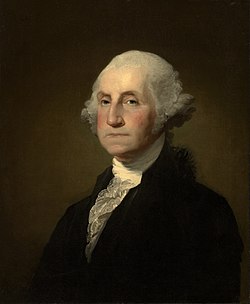 George Washington1732 to 179943
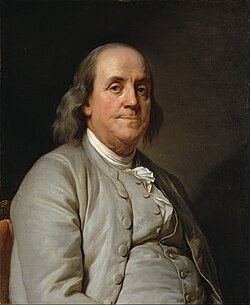 Benjamin Franklin1706 to 179069
 George III of the United Kingdom1738 to 182036
 John Hancock1737 to 179338
- Their age at this moment
- Their other moments in history
How it unfolded
Second Continental Congress convenes
Delegates from all thirteen colonies meet in Philadelphia and establish the Continental Army, appointing George Washington as commander-in-chief.
Battle of Bunker Hill
Declaration of Independence adopted
The Continental Congress in Philadelphia formally declares the thirteen colonies independent, articulating Enlightenment principles of natural rights and popular sovereignty.
Battle of Saratoga
American forces under Horatio Gates defeat British General John Burgoyne, convincing France that the colonists could win and prompting French entry into the war.
Treaty of Alliance with France
France formally commits to military support against Britain, providing naval power and resources that prove essential to the colonial cause.
Treaty of Paris signed
Britain formally recognizes American independence and cedes all territory east of the Mississippi River to the new United States, concluding the war.
- What followed
1783: Treaty of Paris recognizes American independence
- What followed
1787: Articles of Confederation prove inadequate
- What followed
1787: Constitutional Convention adopts Three-Fifths Compromise
Who took part


More about this war
Leaders
Peyton Randolph (United States Thirteen/United Colonies (1775-1776), United States United States (from 1776) +4 more), John Hancock, Benjamin Franklin, George Washington, Horatio Gates, Nathanael Greene
George III of the United Kingdom (Kingdom of Great Britain, Loyalist colonial governments and military forces +4 more), Lord North, Lord Shelburne, Lord George Germain, Thomas Gage, William Howe, 5th Viscount Howe
Before and after, with the same people
- Seven Years' War concludes
 George III ofSee the moment ›
- American Revolutionary War begins

 Washington, Franklin, George III ofThis moment
- American Revolution declaredWashingtonSee the moment ›
- American Declaration of IndependenceFranklinSee the moment ›