
What kind of moment: History, Conference
Potsdam Conference
- When
- 17 July to 2 August 1945
From July to August 1945, the leaders of the Soviet Union, United States, and United Kingdom met in Potsdam, Germany to decide how to reshape Europe after World War II's end. The conference produced agreements on German reparations, Soviet entry into the war against Japan, and the territorial map of postwar Europe-decisions that would lock in place the geopolitical divisions of the Cold War.
In numbers
- German reparations agreed
- Soviet Union to receive 25% of industrial equipment from Western zones
Where it sits in their lives
 Joseph Stalin1878 to 195366
 Winston Churchill1874 to 196570
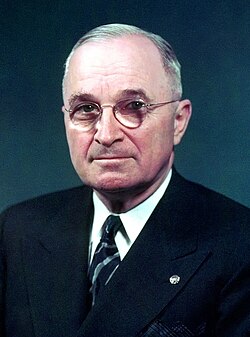 Harry S. Truman1884 to 197261
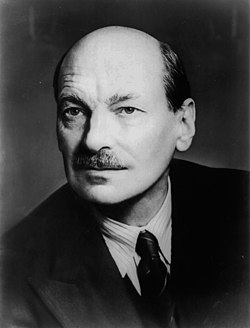 Clement Attlee1883 to 196762
- Their age at this moment
- Their other moments in history
How it unfolded
Conference opens
Potsdam Declaration issued
The three powers issue an ultimatum to Japan demanding unconditional surrender, warning of 'prompt and utter destruction' if refused.
UK political transition
Conference concludes
After 16 days of negotiation, the three powers sign the Protocol of the Proceedings. Poland's borders are redrawn westward; Germany is partitioned into four occupation zones.
- What followed
1945: German reparations framework established
- What followed
1945: Poland's territorial shift westward
- What followed
1945: Soviet occupation of Eastern Europe solidified


More about this conference
Before and after, with the same people
- Teheran Conference

 Stalin, ChurchillSee the moment ›
- 1945 United Kingdom general election: Labour Party wins a majority
 Churchill, AttleeSee the moment ›
- Potsdam ConferenceStalin, Churchill, TrumanThis moment
- Atomic bombing of Hiroshima
 TrumanSee the moment ›
- 1948 United States presidential election: Harry S. Truman winsTrumanSee the moment ›