What kind of moment: History, Diplomatic summit
Munich Agreement signed: Adolf Hitler, Benito Mussolini and 2 others meet
- When
- 30 September 1938
- Where
- Munich, Germany
On September 30, 1938, the leaders of Britain, France, Germany, and Italy signed an agreement in Munich that handed Nazi Germany the Sudetenland, a region of Czechoslovakia with three million inhabitants, mostly ethnic Germans. The deal was meant to prevent war; instead, it became the textbook example of how appeasement fails.
The Munich Agreement emboldened Hitler's expansionism while destroying Czechoslovakia without consulting it, fracturing the anti-Nazi alliance before World War II even began. British Prime Minister Neville Chamberlain returned home claiming to have secured 'peace for our time'-a phrase that became synonymous with the catastrophic failure of diplomatic compromise with fascism.
Where it sits in their lives
 Adolf Hitler1889 to 194549
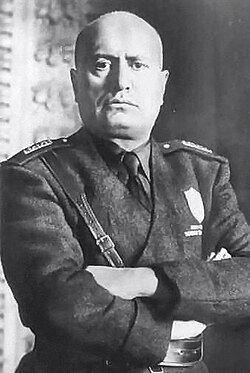 Benito Mussolini1883 to 194555
 Neville Chamberlain1869 to 194069
 Édouard Daladier1884 to 197054
- Their age at this moment
- Their other moments in history
How it unfolded
Hitler becomes Chancellor of Germany
Adolf Hitler takes power, setting the stage for Nazi expansionism and the ideological conflicts that would lead to Munich.
German remilitarization of the Rhineland
Hitler orders troops into the demilitarized Rhineland in violation of the Treaty of Versailles. Britain and France protest but take no action.
Chamberlain flies to Germany for talks
British PM Neville Chamberlain meets Hitler at Berchtesgaden to discuss the Sudetenland crisis, seeking a negotiated settlement.
Munich Agreement signed
The four powers agree that Germany will annex the Sudetenland immediately. Chamberlain declares 'peace for our time' upon his return to London.
German troops occupy the Sudetenland
Wehrmacht forces move into the ceded Czechoslovak territory. Approximately 3 million people fall under Nazi control.
Germany invades Poland; World War II begins
Less than a year after Munich, German forces attack Poland. Britain and France declare war, finally confronting Nazi expansion militarily.
- What followed
1938: German military strengthened
- What followed
1939: Czechoslovakia dismembered
- What followed
1939: Stalin's distrust deepened


More about this diplomatic summit
Before and after, with the same people
- Hitler's rise to Power
 HitlerSee the moment ›
- Italian invasion of Ethiopia
 MussoliniSee the moment ›
- Munich Agreement signed: Adolf Hitler, Benito Mussolini and 2 others meetHitler, Mussolini, ChamberlainThis moment
- Italian invasion of AlbaniaMussoliniSee the moment ›
- Second World War declaredHitler, MussoliniSee the moment ›