
What kind of moment: History, War
Italian invasion of Ethiopia
- When
- 3 October 1935 to 5 May 1936
- Where
- Ethiopia
- Outcome
- Italian victory
In October 1935, Benito Mussolini's Italy invaded Ethiopia, a sovereign nation and League of Nations member, seeking to expand its African empire. The seven-month war was one of the first major tests of the League's ability to enforce collective security-it failed spectacularly, emboldening fascist aggression across Europe.
Italy's conquest of Ethiopia marked a turning point in interwar geopolitics. The League of Nations' inability to stop the invasion through sanctions or military intervention exposed its fundamental weakness, while the war demonstrated that aggressive territorial expansion could succeed with minimal consequences. Mussolini's victory reinforced his grip on power and accelerated the Axis alliance with Nazi Germany.
In numbers
- League member since
- Ethiopia joined the League in 1923
Where it sits in their lives
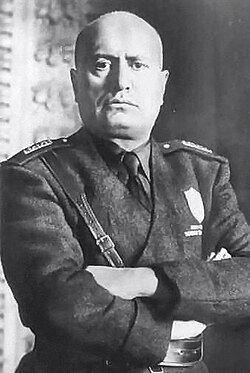 Benito Mussolini1883 to 194552
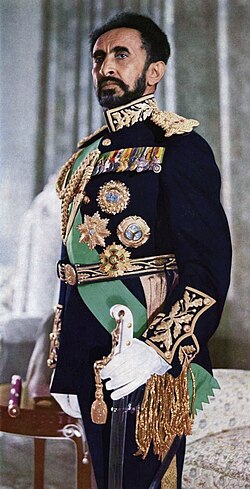 Haile Selassie1892 to 197543
 Pietro Badoglio1871 to 195664
 Emilio De Bono1866 to 194469
- Their age at this moment
How it unfolded
Italian invasion begins
Italian forces cross the border from Eritrea and Italian Somaliland into Ethiopia without a declaration of war, marking the opening of the invasion.
League of Nations condemns invasion
The League formally declares Italy an aggressor nation, initiating discussions on economic sanctions against the regime.
Battle of Maychew
Italian forces under Marshal Pietro Badoglio defeat Ethiopian army at Maychew, with Italy deploying chemical weapons including mustard gas.
Addis Ababa falls
Italian forces enter the Ethiopian capital; Emperor Haile Selassie flees the country and appeals to the League of Nations for intervention.
Italy annexes Ethiopia
League sanctions lifted
The League votes to end economic sanctions against Italy, effectively admitting defeat in its first major test of collective security.
- What followed
1935: League of Nations condemns Italy, imposes sanctions
- What followed
1936: Italian occupation of Ethiopia
- What followed
1936: Strengthening of Axis alliance


Who took part


More about this war
Commanders
Haile Selassie I (Ethiopian Empire), Imru Haile Selassie, Mulugeta Yeggazu, Kassa Haile Darge, Nasibu Emmanual, Desta Damtew
Benito Mussolini (Kingdom of Italy), Pietro Badoglio, Emilio De Bono, Rodolfo Graziani
Before and after, with the same people
- Italian invasion of Ethiopia

 Mussolini, Selassie, BadoglioThis moment
- Munich Agreement signed: Adolf Hitler, Benito Mussolini and 2 others meetMussoliniSee the moment ›
- Italian invasion of AlbaniaMussoliniSee the moment ›