Brian De Palma
American film director and screenwriter · United States · Directors · Born 1940 · age 86
Brian De Palma is read about 4,226 times a day, in 64 languages.
A typical day, 30 days to 15 October 2026
The middle day of the days counted, so one week of news cannot move it. The line under it is the last 390 days, one point a day.
Something wrong?He wanted to be the American Godard but became Hollywood's most unrepentant Hitchcock disciple instead - splitting audiences for fifty years with films that are either hypnotic genre exercises or exploitative trash, depending who's watching.
A life in dates
 Mr. ScorseseSeries2023
 Desperate Souls, Dark City and the Legend of Midnight CowboyFilm2017
 SpielbergFilm2013
 PassionFilm, Director, Writer2005
 Gangland: Bullets over HollywoodFilm2004
 KulturplatzSeries
 Leçon de CinémaSeries, 20042001
 Acting 'Carrie'Film1997
 Scene by SceneSeries1996
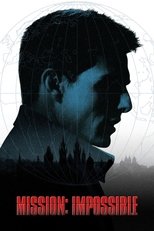 Mission: ImpossibleFilm, Director1992
 Raising CainFilm, Director, Writer1987
 The UntouchablesFilm, Director1984
 Body DoubleFilm, Director, Writer1980
 Dressed to KillFilm, Director, Writer1976
 CarrieFilm, Director1972
 Get to Know Your RabbitFilm, Director1969
 The Wedding PartyFilm, Director, Writer1963
 Woton's WakeFilm, Director, Writer1940Born11 September 1940
Also in Deutsch
Photos 8


Filmography 40
DCDesperate Souls, Dark City and the Legend of Midnight Cowboy ENEnnio
 DODominoSPSpielberg
 DPDe PalmaPAPassion
 RERedacted
 TDThe Black Dahlia
 SISistersGHGangland: Bullets over Hollywood
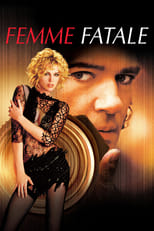 FFFemme FataleACActing 'Carrie'
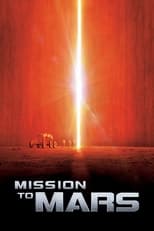 MMMission to Mars
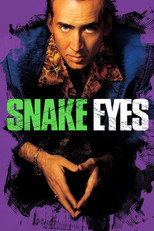 SESnake Eyes
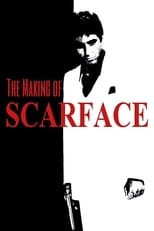 TSThe Making of 'Scarface'MIMission: Impossible
 CWCarlito's WayRCRaising Cain
 TVThe Bonfire of the Vanities
 CWCasualties of WarTUThe Untouchables
 WGWise GuysBDBody Double
 SCScarface
 BOBlow OutDKDressed to Kill
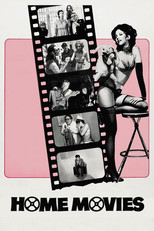 HMHome Movies
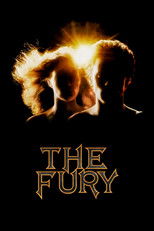 TFThe FuryCACarrie
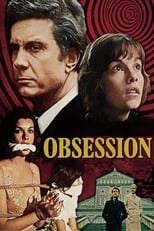 OBObsession
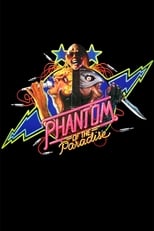 PPPhantom of the Paradise
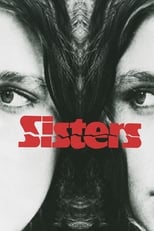 SISistersGRGet to Know Your Rabbit
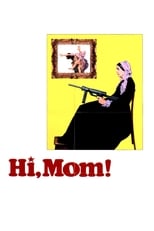 HMHi, Mom!
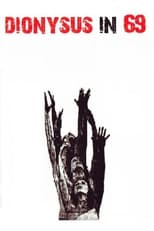 DIDionysus in '69TPThe Wedding Party
 GRGreetings
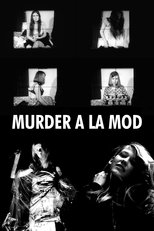 MMMurder à la Mod
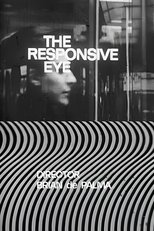 TEThe Responsive EyeWWWoton's Wake
119 credits on file
Television 4
MSMr. ScorseseKUKulturplatzLCLeçon de CinémaSSScene by SceneAwards
Family
 Brian De Palma
Partners


Children
Is this everyone?
Only relatives with a profile here are drawn, so a family can be larger than this. A line here can also be wrong.
Correct this familyAbout this person
Born September 11, 1940, De Palma broke through with early cult oddities like Greetings (1968) and Hi, Mom! (1970) before Stephen King's Carrie (1976) announced him as a young director who could make suspense sing. The next decade built his reputation as both craftsman and provocateur: Dressed to Kill (1980) lifted whole sequences from Hitchcock, Blow Out (1981) reworked Antonioni's Blowup, and Scarface (1983) - his remake of the 1932 Hawks original - became a cult monument despite its savagery. The Untouchables (1987) and Mission: Impossible (1996) brought him mainstream commercial wins, but critics stayed split: Ebert and Kael defended the formal brilliance; others saw only the blood and sex. Noah Baumbach's 2015 documentary let De Palma explain himself at length, though by then his style had long since calcified into signature.





Fame.am measures public visibility signals. It does not measure human value, talent, morality, or credibility.