
What kind of moment: History, Siege
Siege of Alesia
- When
- about 52 BC
In about 52 BC, Julius Caesar's legions besieged the Gallic hilltop town of Alesia, where the rebel leader Vercingetorix had made his stand. The Romans built a ring of fortifications to starve the defenders while repelling relief forces from allied Gallic tribes. The siege ended in Gallic defeat and effectively ended the independence of Gaul.
Caesar's victory at Alesia in about 52 BC effectively ended organized Gallic resistance and secured Roman control over Gaul. The siege demonstrated Roman engineering superiority and tactical coordination, with Caesar constructing dual siege lines - one containing the Gallic forces inside the oppidum and another defending against relief armies outside.
In numbers
- Roman contravallation length
- 21 kilometers (outer siege line)
How it unfolded
- about 46 BC
Vercingetorix executed
After six years of captivity in Rome, Vercingetorix is executed during Caesar's triumph, marking the symbolic end of Gallic resistance.
- about 52 BC
Vercingetorix takes command
Vercingetorix, a young Arverni nobleman, is proclaimed leader of a unified Gallic confederation opposing Caesar's conquest.
- about 52 BC
Battle of Vellaunodunum
Caesar defeats a Gallic force, forcing Vercingetorix to retreat southward toward the natural stronghold of Alesia.
- about 52 BC
Siege begins
Caesar's legions begin construction of siege works around Alesia after Vercingetorix withdraws into the oppidum with approximately 80,000 warriors.
- about 52 BC
Inner circumvallation completed
Roman forces complete the 14-kilometer inner siege line, trapping Gallic forces inside Alesia.
- about 52 BC
Vercingetorix surrenders
With supplies exhausted and relief efforts failed, Vercingetorix surrenders unconditionally to Caesar to spare the starving population inside Alesia.
- What followed
52 BC: End of Gallic independence
- What followed
100: Romanization of Gaul
Who took part
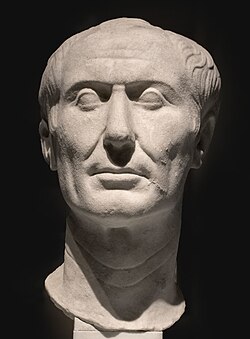
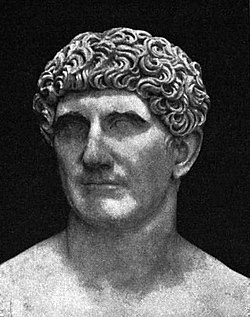

More about this siege
Before and after, with the same people
- Roman Conquest of Gaul


 Caesar, Antony, Vercingetorix, LabienusSee the moment ›
- Siege of AlesiaCaesar, Antony, VercingetorixThis moment
- Assassination of Julius CaesarCaesarSee the moment ›
- The Battle of ActiumAntonySee the moment ›