
What kind of moment: History, War
Roman Conquest of Gaul
- When
- about 58 BC
- Where
- Gaul (present-day France, Luxembourg, Belgium, Switzerland, Germany), Britain (55-54 BC)
- Outcome
- Roman victory
Between 58 and about 50 BC, Roman general Julius Caesar systematically conquered Gaul - modern-day France and surrounding regions - defeating numerous Celtic tribes through military campaigns and sieges. The war culminated at Alesia in about 52 BC, where Caesar trapped the Gallic leader Vercingetorix and his forces, securing Roman control over vast territories and establishing Rome's dominant position in Western Europe.
The conquest of Gaul doubled Rome's territory, gave Caesar the military credibility and wealth to seize power at home, and reshaped the political and cultural map of Europe for centuries. The defeat of the Gallic tribes ended Celtic independence in Western Europe and accelerated the spread of Roman civilization, law, and language across the continent.
In numbers
- Duration
- 8 years (about 58 to 50 BC)
- Roman Legions Deployed
- 6-10 legions across campaigns
- Siege of Alesia Duration
- Approximately 2 months (summer-autumn about 52 BC)
How it unfolded
- about 58 BC
Caesar Crosses the Rubicon - into Gaul
Julius Caesar begins his Gallic campaigns, initially responding to requests from allied Gallic tribes and the threat of Germanic incursion. His first campaign targets the Helvetii and Sequani tribes.
- about 57 BC
Battle of the Axona
Caesar defeats the Germanic king Ariovistus and his tribes, driving Germanic forces back across the Rhine and securing Roman control of eastern Gaul.
- about 56 BC
Conquest of Northwestern Gaul
Caesar campaigns against the Veneti and other Atlantic coast tribes, extending Roman control westward and securing maritime supply routes.
- about 55 BC
Caesar's First British Expedition
Caesar crosses the English Channel with two legions to assess Britain and prevent Celtic tribes from providing support to Gallic resistance.
- about 52 BC
Vercingetorix Elected Leader
The young Arverni nobleman Vercingetorix is chosen to lead a unified Gallic resistance movement, rallying tribes across central and northern Gaul.
- about 51 BC
Mop-Up Operations
Caesar consolidates control, suppressing remaining pockets of resistance in Aquitania and other regions. Most major Gallic strongholds fall or submit.
- What followed
46 BC: Vercingetorix's execution
- What followed
27 BC: Gaul becomes Roman province
- What followed
100: Latin language adoption

Gallic Wars


Who took part


More about this war
Leaders
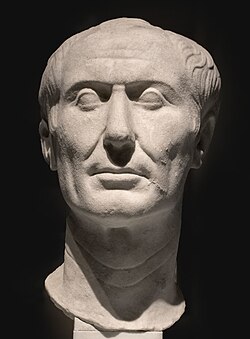
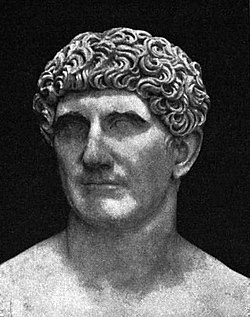
Julius Caesar (Roman Republic, Allied Gauls and Germani), Titus Labienus, Marcus Antonius, Quintus Tullius Cicero, Publius Licinius Crassus, Decimus Junius Brutus Albinus
Vercingetorix (Gauls, Germani +3 more), Vercassivellaunos, Camulogenus, Sedullos, Litaviccus, Ambiorix
Photographs

Before and after, with the same people
- Roman Conquest of Gaul

 Caesar, Antony, VercingetorixThis moment
- Siege of Alesia
 Caesar, Antony, Vercingetorix, LabienusSee the moment ›
- Assassination of Julius CaesarCaesarSee the moment ›