What kind of moment: History, Assassination
Assassination of Julius Caesar
- When
- about 44 BC
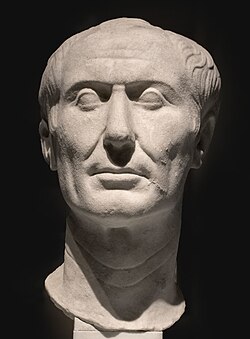
On about 44 BC, Roman senators stabbed Julius Caesar to death during a Senate meeting in Rome, fundamentally destabilizing the republic he had dominated. The assassination was carried out by a coalition of roughly 60 conspirators, including several men Caesar trusted, who feared he was becoming a tyrant. His murder didn't restore republican government - it triggered civil war and ultimately led to the empire's creation under his adopted heir.
Caesar's assassination was meant to preserve the Roman Republic but achieved the opposite. The power vacuum and ensuing civil wars weakened republican institutions beyond repair, paving the way for Augustus to establish the Roman Empire within a decade. It became history's most famous political murder - a cautionary tale about how violent solutions to tyranny often produce worse outcomes.
His life around it
- Born
- Roman Conquest of Gaul
- Siege of Alesia
- Assassination of Julius Caesar
- Died
How it unfolded
- about 27 BC
Augustus becomes emperor
Octavian (now Augustus) consolidates all powers and is granted the title by the Senate, officially ending the republic and founding the Roman Empire.
- about 44 BC
Assassination of Julius Caesar
Caesar is stabbed 23 times by senators at the Curia of Pompey during a Senate meeting. He dies at the base of Pompey's statue.
- about 49 BC
Caesar crosses the Rubicon
Caesar's military victory in civil war against Pompey and the Senate establishes him as Rome's dominant figure.
- What followed
44 BC: Permanent shift in political legitimacy