Talal of Jordan
King of Jordan from 1951 to 1952 · Turkey · Historical Figures · Lived 1909 to 1972 · aged 63
Talal of Jordan is read about 732 times a day, in 51 languages.
A typical day, 30 days to 5 October 2026
The middle day of the days counted, so one week of news cannot move it. The line under it is the last 380 days, one point a day.
Something wrong?A king for thirteen months. Talal of Jordan gave his country its modern constitution in 1952 - then Parliament forced him out, citing schizophrenia, and sent him to a sanatorium in Istanbul for the next twenty years.
Also in Deutsch
Photos 4


Awards
Family
Parents

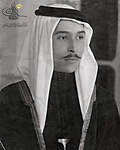 Talal of Jordan
Partners

Children


Is this everyone?
Only relatives with a profile here are drawn, so a family can be larger than this. A line here can also be wrong.
Correct this familyAbout this person
Talal bin Abdullah was born in Mecca in 1909, eldest son of the man who would become Jordan's first king. His father Abdullah spent long stretches away building the Emirate of Transjordan, leaving Talal alone with his mother through his early years. He joined the Arab Legion as a second lieutenant in 1927, then served as aide to his exiled grandfather Sharif Hussein in Cyprus, rising to general by 1948. When Abdullah was assassinated in Jerusalem in 1951, Talal became king at forty-two. His reign lasted less than thirteen months, but he left Jordan with its enduring constitutional framework, turning the monarchy into a constitutional one in 1952. That same year Parliament forced his abdication on grounds of mental illness. He lived out the remaining two decades at a sanatorium in Istanbul, succeeded by his son Hussein.
Historical Figures from Turkey 6




Fame.am measures public visibility signals. It does not measure human value, talent, morality, or credibility.