
Kate Winslet
✓ Source-basedfallingEnglish actress (born 1975)
 in the United Kingdom
She survived Titanic and then spent two decades proving she didn't need it - taking roles that asked more, risked more, and paid off in an Oscar for playing a Nazi camp guard opposite a 15-year-old accuser.
Also inDeutsch
Photos 12

 The Redroofs Theatre School in Maidenhead, where Winslet was educated
 Winslet at the 2006 Toronto International Film Festival
 Winslet at the 60th British Academy Film Awards in 2007, where she received her fifth BAFTA Award nomination
 Winslet at the 81st Academy Awards in 2009, where she won the Academy Award for Best Actress
 Winslet attending the premiere of Labor Day at the 2013 Toronto International Film Festival
 Winslet at the premiere of Divergent in 2014
 Winslet attending an event for The Mountain Between Us at the 2017 Toronto International Film Festival
In their own words 10
She's a very gentle and grounded person, so I suppose I could say that I'm not worried about her. She knows the industry extremely well. She has a really wonderful family, too.
About Shailene Woodley at Huffington Post March 2014.
I don't look like that and I don't desire to look like that.
Of a digital edited picture on a magazine
I don’t particularly remember sitting at home crying and eating endless packets of HobNobs. I don’t remember doing that at all.
Of her weight problems
Listen
SpotifyFilmography 40
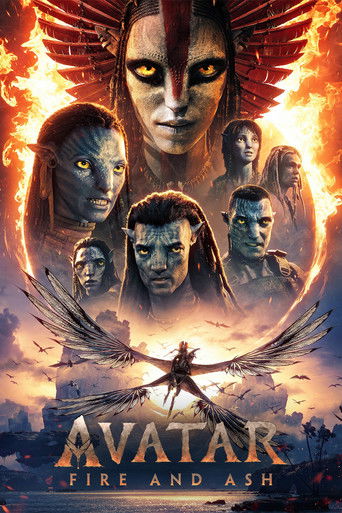 Avatar: Fire and Ash
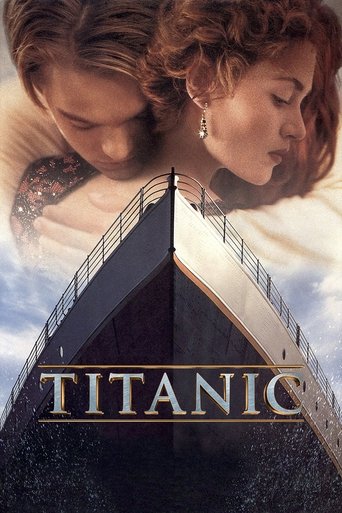 Titanic
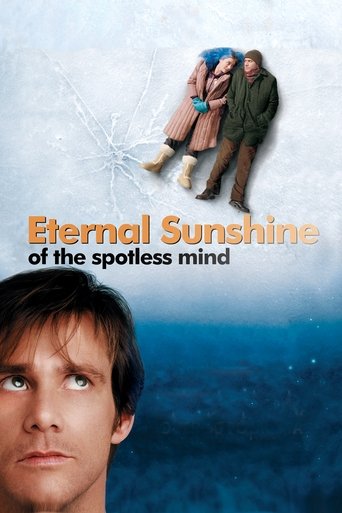 Eternal Sunshine of the Spotless Mind
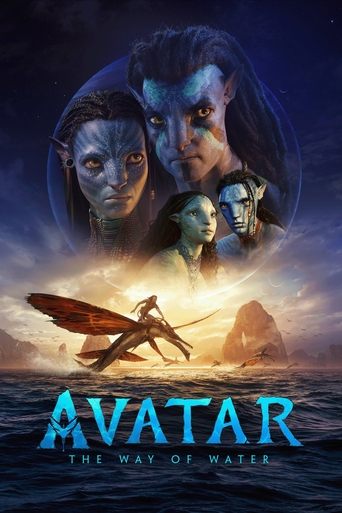 Avatar: The Way of Water
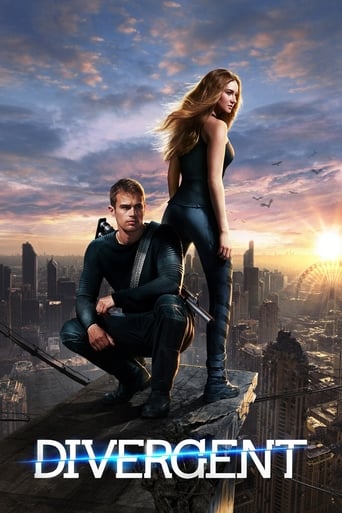 Divergent
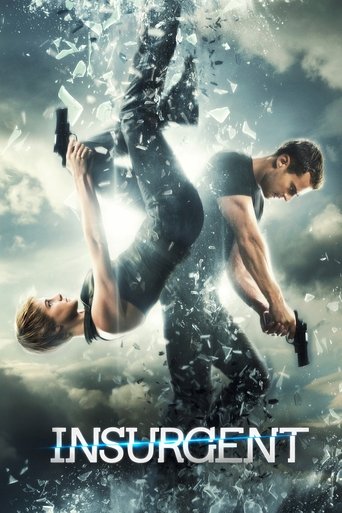 Insurgent
 Flushed Away
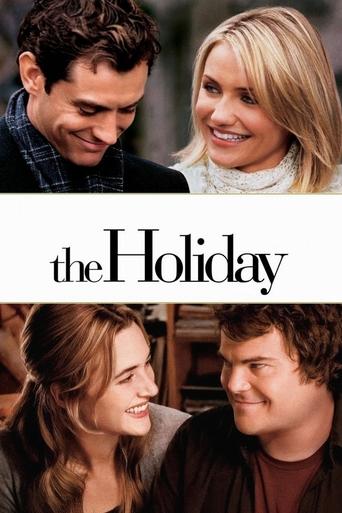 The Holiday
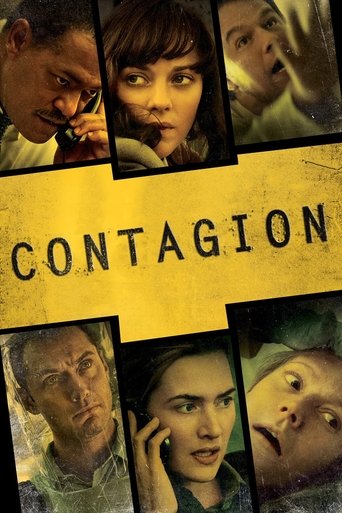 Contagion
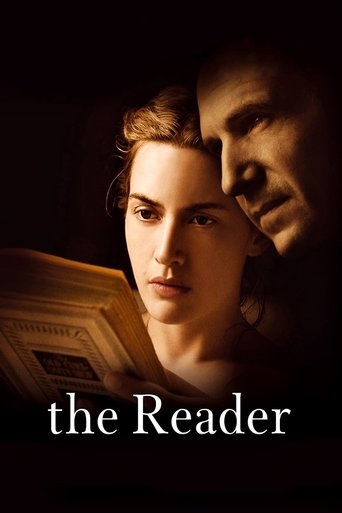 The Reader
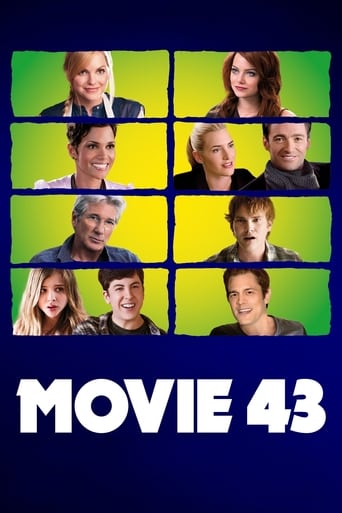 Movie 43
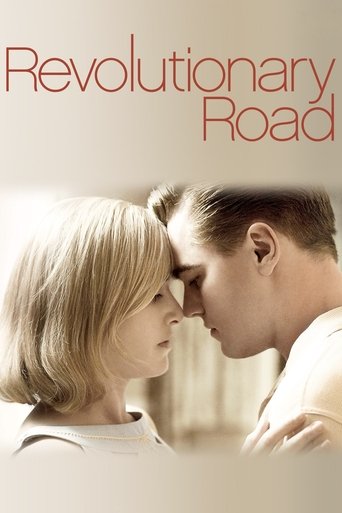 Revolutionary Road
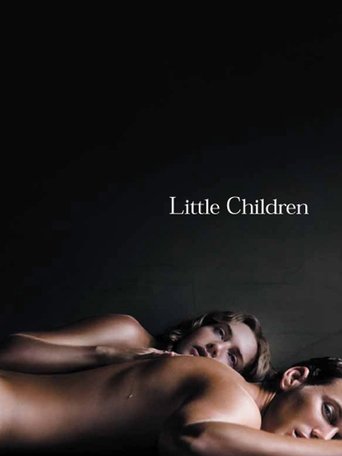 Little Children
 Collateral Beauty
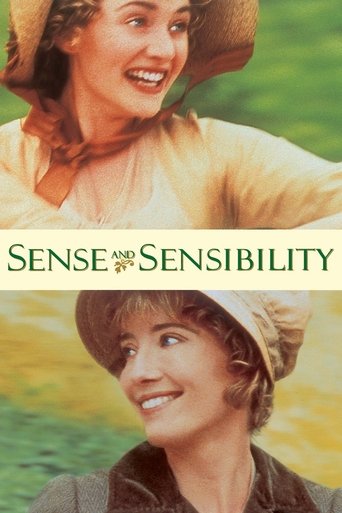 Sense and Sensibility
 Steve Jobs
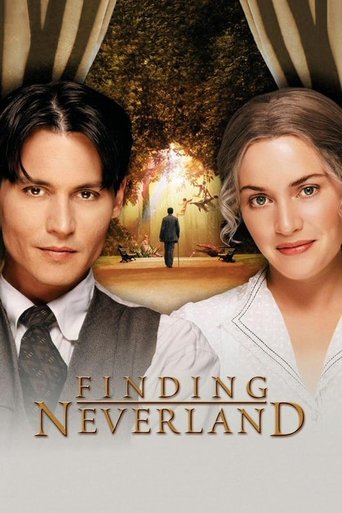 Finding Neverland
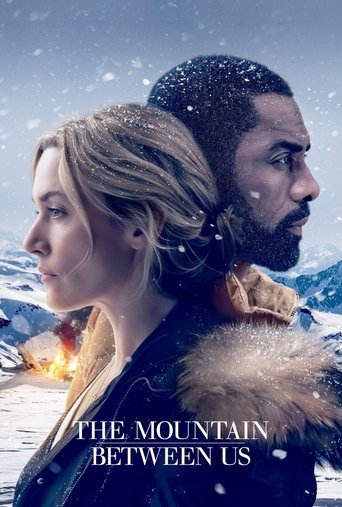 The Mountain Between Us
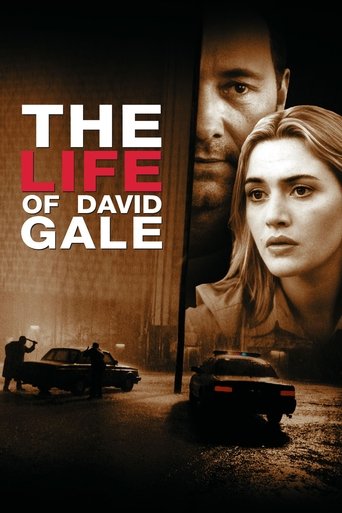 The Life of David Gale
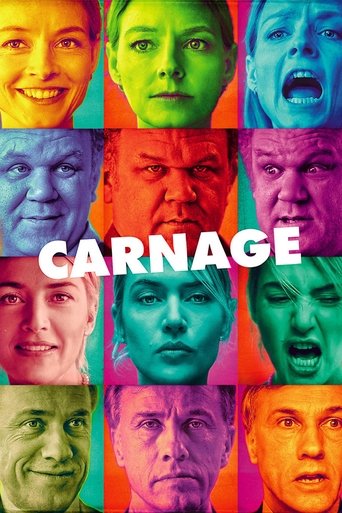 Carnage
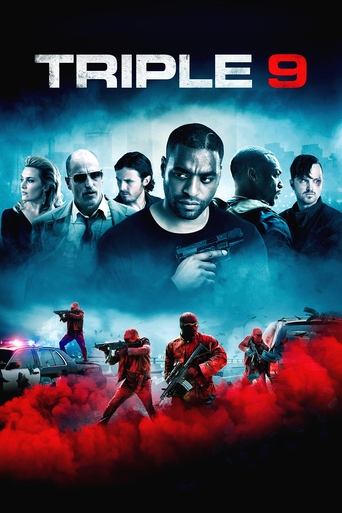 Triple 9
 The Dressmaker
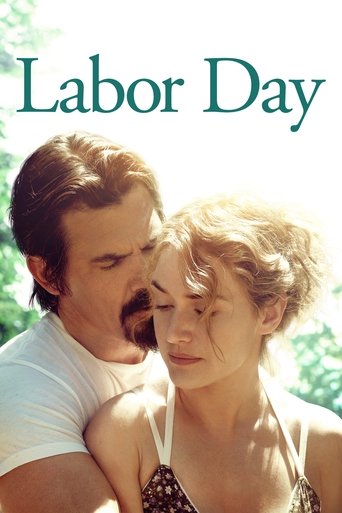 Labor Day
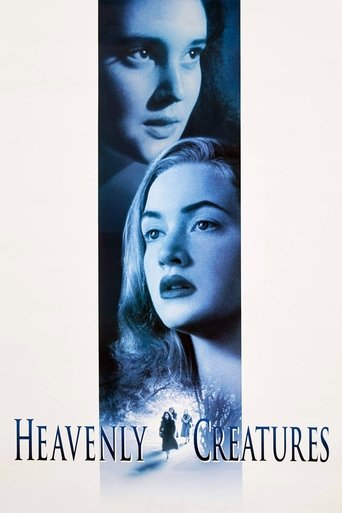 Heavenly Creatures
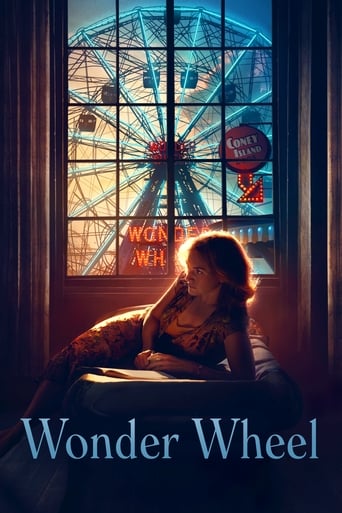 Wonder Wheel
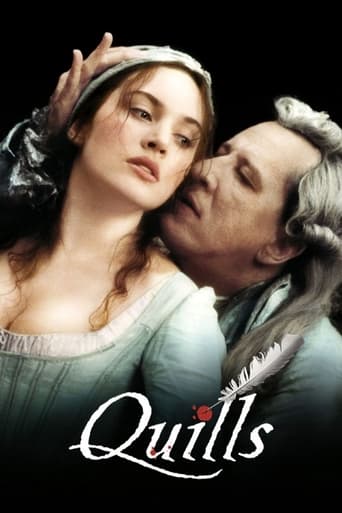 Quills
 Lee
Lee How to Lose Friends & Alienate People
 Ammonite
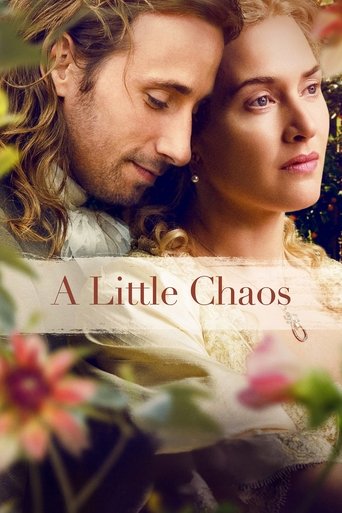 A Little Chaos
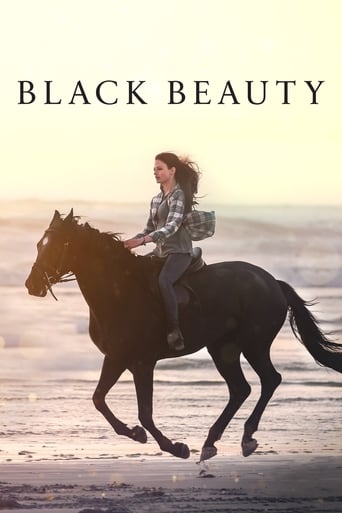 Black Beauty
 Hamlet
 Enigma
 All the King's Men
 Holy Smoke
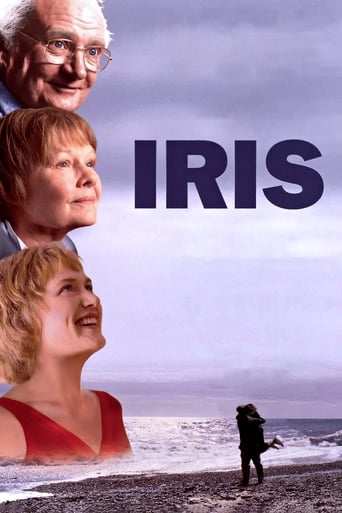 Iris
Iris Romance & Cigarettes
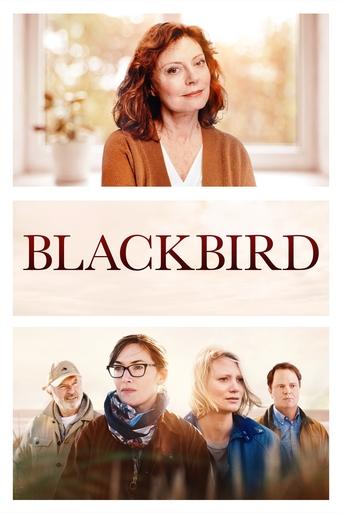 Blackbird
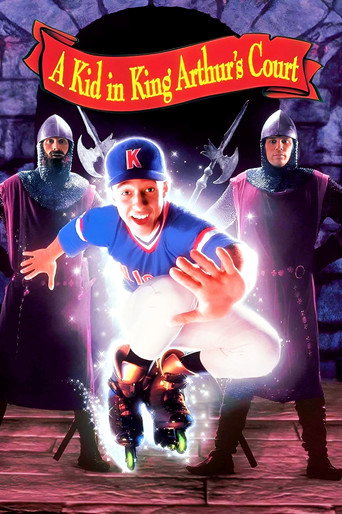 A Kid in King Arthur's Court
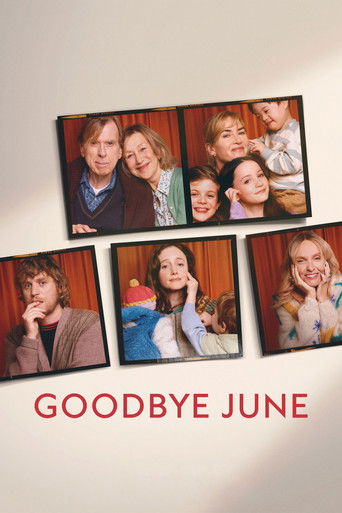 Goodbye June
134 credits on file
Television 24
 The Tonight Show Starring Jimmy Fallon
 The Late Show with Stephen Colbert
 The Kelly Clarkson Show
 The Graham Norton Show
 Saturday Night Live
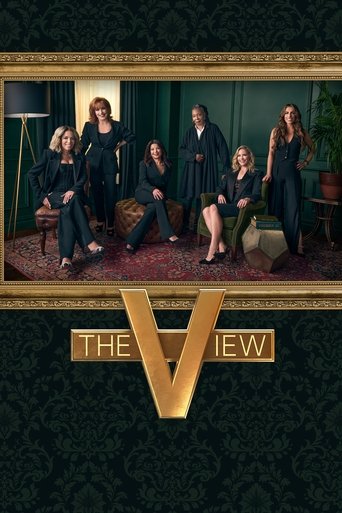 The View
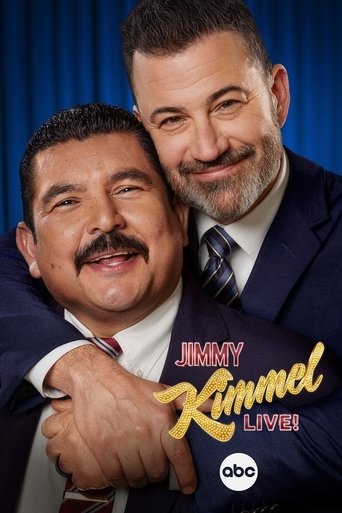 Jimmy Kimmel Live!
 LIVE with Kelly and Mark
 Golden Globe Awards
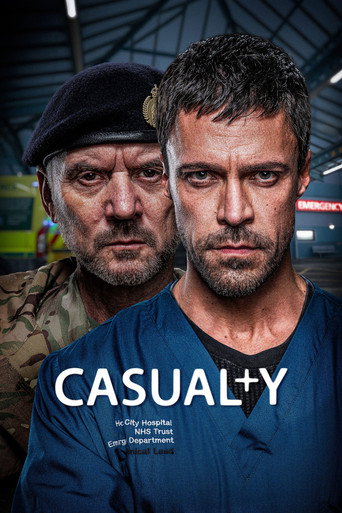 Casualty
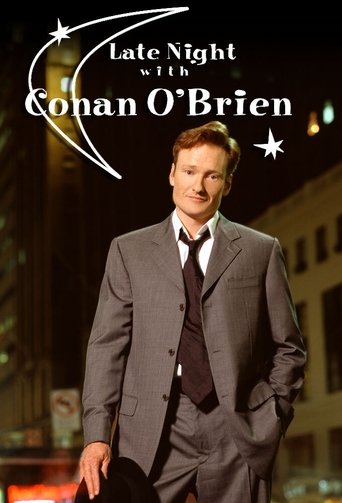 Late Night with Conan O'Brien
 Leute heute
 60 Minutes
 The Ellen DeGeneres Show
 The Tonight Show with Jay Leno
 The One Show
 Variety Studio: Actors on Actors
 Nature
 Close Up with The Hollywood Reporter
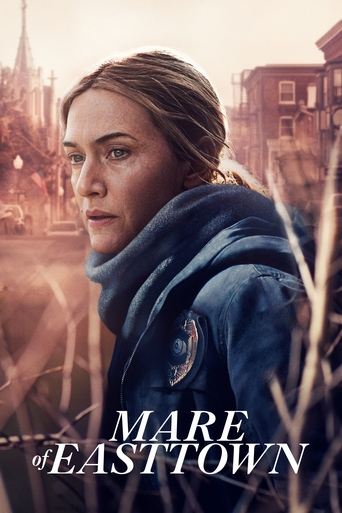 Mare of Easttown
 The Oscars
 Extras
 GMTV
GMTV Bambi
BambiAwards 15
In their orbit 10




Connected to Kate 6




About this person
Kate Elizabeth Winslet, born 5 October 1975, studied drama at the Redroofs Theatre School and appeared on British television at fifteen in Dark Season. Her film debut came as a teenage murderess in Heavenly Creatures (1994), followed by a BAFTA-winning turn as Marianne Dashwood in Sense and Sensibility (1995). Then Titanic (1997) made her globally famous - it was the highest-grossing film of its time - but she walked away from blockbusters afterward, choosing period pieces like Quills and Iris instead. Eternal Sunshine of the Spotless Mind (2004) cast her against type in a contemporary role and became a turning point; she followed it with Little Children, Revolutionary Road, and The Reader (2008), winning the Oscar and BAFTA for playing a former Nazi camp guard in the last. Since then she's portrayed Steve Jobs' marketing chief, won two Primetime Emmys for Mildred Pierce and Mare of Easttown, and co-founded an autism awareness charity. Divorced twice - from directors Jim Threapleton and Sam Mendes - she's been married to Edward Abel Smith since 2012 and has three children, two of them actors.
United KingdomFame.am measures public visibility signals. It does not measure human value, talent, morality, or credibility.