
What kind of moment: History, War
First Opium War begins
- When
- 4 September 1839 to 29 August 1842
- Where
- China
- Outcome
- British victory
In 1840, Britain declared war on China to force the country to accept opium imports and open its ports to foreign trade. The British Navy crushed Chinese forces, and China was forced to cede Hong Kong and sign treaties that opened its markets on unfair terms. This conflict launched the opium trade's devastating expansion in China and marked the beginning of Western military domination in Asia.
In numbers
- Treaty ports opened
- 5 (Canton, Amoy, Foochow, Ningpo, Shanghai)
Where it sits in their lives
 Queen Victoria1819 to 190119
 Henry Temple, 3rd Viscount Palmerston1784 to 186554
 Robert Peel1788 to 185051
 William Lamb, 2nd Viscount Melbourne1779 to 184860
- Their age at this moment
- Their other moments in history
How it unfolded
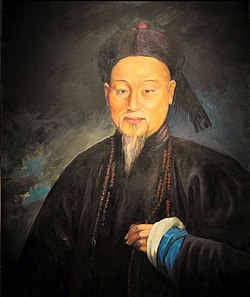
Lin Zexu destroys British opium
Chinese official Lin Zexu oversees destruction of over 20,000 chests of opium seized from British merchants in Guangzhou, escalating tensions between Britain and China.
British fleet arrives in China
Captain George Elliot leads a British naval squadron to Chinese waters, initiating hostilities without formal declaration of war.
First major engagement
British forces attack Guangzhou area, demonstrating naval superiority over Chinese junks and shore fortifications.
Convention of Chuenpi signed
British and Chinese officials agree to preliminary truce terms, though fighting resumes when both sides claim the agreement is violated.
British capture Woosung and Shanghai
British forces take control of Shanghai and surrounding regions, moving toward more economically vital interior cities and forcing serious Chinese negotiations.
Treaty of Nanking signed
China cedes Hong Kong to Britain, pays 21 million silver dollars indemnity, opens five treaty ports to foreign trade, and grants British subjects extraterritoriality in China.
- What followed
1842: Treaty of Nanking signed
- What followed
1856: Second Opium War and Arrow War
- What followed
1858: Treaty of Tientsin


Who took part


More about this war
Leaders
Queen Victoria (British Empire, East India Company), William Lamb, 2nd Viscount Melbourne, Robert Peel, Henry Temple, 3rd Viscount Palmerston, Charles Elliot, George Elliot
Daoguang Emperor (China), Lin Tse-hsu, Qishan, Yishan, Yijing, Yilibu
Before and after, with the same people
- 1835 United Kingdom general election: Whigs wins a majority

 Peel, MelbourneSee the moment ›
- Coronation of Queen Victoria
 VictoriaSee the moment ›
- First Opium War begins
 Victoria, Palmerston, PeelThis moment
- Penny Black Postage Stamp IssuedVictoriaSee the moment ›
- Queen Victoria's Diamond JubileeVictoriaSee the moment ›