


What kind of moment: History, Election
1832 United Kingdom general election: Whigs wins a majority
- When
- 10 December 1832 to 8 January 1833
- Where
- United Kingdom
- Seats
- 658 seats, 330 needed for a majority
In December 1832, British voters went to the polls following the passage of the Reform Act earlier that year - a watershed moment that expanded the electorate and redrew parliamentary districts. The Whig Party, led by Earl Grey, won decisively with a majority of 224 seats., cementing support for the reforms that had just reshaped the political system itself.
This election validated the Great Reform Act of 1832, the first major expansion of the British franchise since the 17th century. It demonstrated that electoral reform could produce a working majority and set a precedent for further franchise expansions throughout the 19th century.
In numbers
- Redistricting impact
- 56 pocket boroughs eliminated; 143 seats redistributed to underrepresented areas
The result
Seats, change and vote share as the results table of 1832 United Kingdom general election gives them. No readers here: daily readers are counted from 2015 on.
- WhigsEarl Grey71 more than last time67.0%441 seats
- ToriesDuke of Wellington60 fewer than last time29.2%175 seats

How it unfolded
Wellington's Government Falls
The Duke of Wellington's opposition to electoral reform triggers his resignation, bringing Earl Grey and the reformist Whigs to power.
First Reform Bill Introduced
First Reform Bill Defeated
The bill narrowly fails in Parliament, triggering political crisis and widespread public agitation for reform.
Reform Act Receives Royal Assent
Election Polling Begins
The first general election under the reformed system begins, with voting taking place across constituencies over a month-long period.
Polling Concludes
The final votes are cast; the Whigs secure 224-seat majority, validating the reform agenda.
- What followed
1867: Expansion of the franchise accelerates
- What followed
1834: Parliamentary sovereignty over the Crown solidified
- What followed
1835: Party system modernizes around electoral competition
Where it sits in their lives
 William Ewart Gladstone1809 to 189822
 Arthur Wellesley, 1st Duke of Wellington1769 to 185263
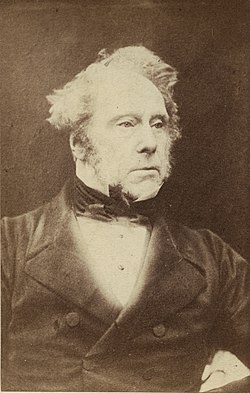 Henry Temple, 3rd Viscount Palmerston1784 to 186548
 Robert Peel1788 to 185044
- Their age at this moment
- Their other moments in history
Who stood


More about this election
Before and after, with the same people
- Battle of Assaye
 WellingtonSee the moment ›
- Napoleon's Escape from ElbaWellingtonSee the moment ›
- 1832 United Kingdom general election: Whigs wins a majority
 Gladstone, Wellington, PalmerstonThis moment
- 1835 United Kingdom general election: Whigs wins a majority

 Gladstone, Peel, O'Connell, RussellSee the moment ›
- First Opium War begins
 Palmerston, PeelSee the moment ›