What kind of moment: History, Treaty
Treaty of Nanking: Henry Pottinger, Keying and Yilibu meet
- When
- 29 August 1842
- Where
- Nanjing, Qing Empire
Britain forced China to sign the Treaty of Nanking on August 29, 1842, ending the First Opium War and marking the beginning of a century of Western dominance over Chinese affairs. The treaty opened five Chinese ports to British trade, ceded Hong Kong to Britain, and required China to pay an enormous indemnity. It was the first of many unequal treaties that dismantled China's traditional isolation and shifted power decisively westward.
The Treaty of Nanking shattered the Qing dynasty's ability to control foreign access to Chinese markets and territory. It established a template for Western imperial expansion in Asia and triggered a cascade of similar treaties that carved up China's sovereignty for the next 60 years.
In numbers
- War duration
- 1839-1842 (3 years)
- Chinese indemnity to Britain
- 21 million silver dollars
- Ports opened to British trade
- 5 (Canton, Amoy, Foochow, Ningpo, Shanghai)
Where it sits in their lives
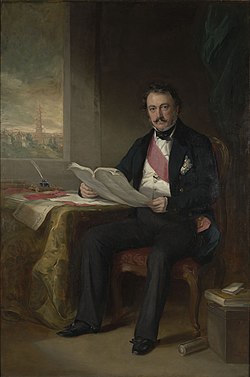 Henry Pottinger1789 to 185652
 Keying1787 to 185855
- Yilibu1772 to 184370
- Their age at this moment
How it unfolded
First Opium War begins
British naval forces commence hostilities against the Qing dynasty following Chinese Commissioner Lin Zexu's destruction of British opium stocks in Canton.
British fleet arrives at Dagu
Convention of Chuenpi signed
British Superintendent of Trade Charles Elliot and Qing official Qishan reach preliminary peace terms, which the Chinese government subsequently rejects as too favorable to Britain.
Canton factories stormed
British forces assault foreign trading warehouses in Canton; Chinese imperial commissioner Yishan replaces Qishan and vows to continue resistance.
Treaty of Nanking signed
Supplementary Treaty of the Bogue signed
Additional protocols clarify commercial arrangements and establish most-favored-nation status for British subjects in treaty ports.
- What followed
1842: Opening of treaty ports
- What followed
1842: Indemnity payments drain treasury
- What followed
1856: Second Opium War erupts