Yasujirō Ozu is read about 1,136 times a day, in 54 languages.
A typical day, 30 days to 21 October 2026
The middle day of the days counted, so one week of news cannot move it. The line under it is the last 396 days, one point a day.
Something wrong?A Japanese director whose quiet studies of family friction - parents aging, children drifting, marriages arranged or avoided - turned him into a filmmaker other filmmakers revere above all others.
A life in dates
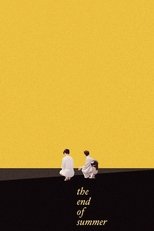 The End of SummerFilm, Director, Writer1959
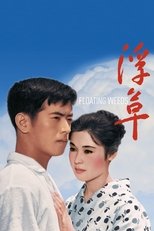 Floating WeedsFilm, Director, Writer1958Medal with Purple RibbonAwardSutherland TrophyAward1957
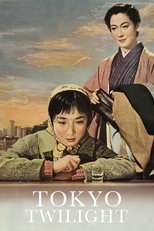 Tokyo TwilightFilm, Director, Writer1955
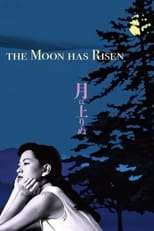 The Moon Has RisenFilm, Writer1952Blue Ribbon Awards for Best DirectorAward
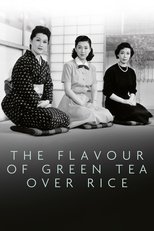 The Flavor of Green Tea Over RiceFilm, 1952Director, Writer1950Mainichi Film Award for Best ScreenplayAward
 The Munekata SistersFilm, 1950Director, Writer1948
 A Hen in the WindFilm, Director, Writer1942
 There Was a FatherFilm, Director, Writer1937
 What Did the Lady Forget?Film, Director, Writer1935
 An Inn in TokyoFilm, Director, Writer1933
 Dragnet GirlFilm, Director, Writer1931
 The Lady and the BeardFilm, Director1929
 A Straightforward BoyFilm, Director1903Born12 December 1903
Also in Deutsch
Photos 8


.jpg?width=1200)


Filmography 40
 WBWatashi-wa beretto
 AAAn Autumn AfternoonTSThe End of Summer
 LALate Autumn
 GMGood MorningFWFloating Weeds
 EFEquinox FlowerTTTokyo Twilight
 ESEarly SpringTRThe Moon Has Risen
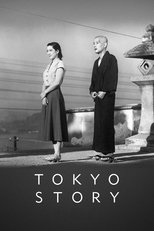 TSTokyo StoryTRThe Flavor of Green Tea Over Rice
 ESEarly SummerTSThe Munekata Sisters
 LSLate SpringAWA Hen in the Wind
 RGRecord of a Tenement GentlemanTFThere Was a Father
 BFBrothers and Sisters of the Toda FamilyWFWhat Did the Lady Forget?
 TSThe Only Son
 TDThe Lion DanceATAn Inn in Tokyo
 AWA Story of Floating Weeds
 ALA Mother Should Be Loved
 WTWoman of Tokyo
 PFPassing FancyDGDragnet Girl
 IBI Was Born, But...
 WYWhere Now Are the Dreams of Youth?
 UAUntil the Day We Meet Again
 TCTokyo ChorusTBThe Lady and the Beard
 TWThat Night's Wife
 WCWalk Cheerfully
 IBI Flunked, But...ABA Straightforward Boy
 IBI Graduated, But...
 DYDays of Youth
 FFFighting Friends
106 credits on file
Awards
About this person
Yasujirō Ozu started in silent comedies in the 1920s, then pivoted to weightier material in the 1930s: the space between generations, the pull between duty and desire, the small fractures inside ordinary households. His career ran until the early 1960s, ending in colour just as it had begun in silence. Late Spring arrived in 1949, Tokyo Story in 1953, An Autumn Afternoon in 1962 - the last he'd make, dying on his sixtieth birthday in December 1963. The work outlasted him by miles. In 2012, when Sight & Sound polled the world's directors, 358 of them named Tokyo Story the greatest film ever made.




Fame.am measures public visibility signals. It does not measure human value, talent, morality, or credibility.