Stanley Kubrick
American filmmaker and photographer (1928-1999) · United States · Directors · Died at 70 · also United Kingdom
Stanley Kubrick is read about 13,074 times a day, in 138 languages.
A typical day, 30 days to 17 October 2026
The middle day of the days counted, so one week of news cannot move it. The line under it is the last 392 days, one point a day.
Something wrong?He shot fewer than a dozen features across five decades, yet each became a technical benchmark or a cultural argument - the director who turned obsessive control and endless retakes into films that redefined what the medium could look like.
A life in dates
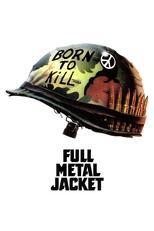 Full Metal JacketFilm, Director, Writer1982“I don't like doing interviews. There is always the problem of being misquoted or, what's even worse, of being quoted exactly.”In their words"Kubrick on Barry Lyndon : An interview with Michel Ciment" (1982)1980“You sit at the board and suddenly your heart leaps. Your hand trembles to pick up the piece and move it.”In their words26 May 1980Newsweek (26 May 1980)1976BAFTA Award for Best DirectionAward1974
 Spécial cinémaSeries1971
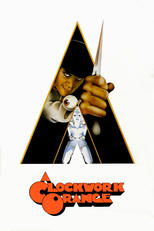 A Clockwork OrangeFilm, Director, Writer1969Academy Award for Best Visual EffectsAward1967
 Lionpower from MGMFilm1965Hugo Award for Best Dramatic PresentationAward1964
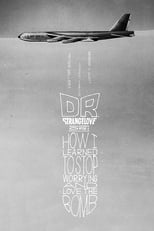 Dr. Strangelove or: How I Learned to Stop Worrying and Love the BombFilm, Director, Writer1962“The reason movies are often so bad out here isn't because the people who make them are cynical money hacks.”In their wordsQuoted in Against the American Grain (1962) by Dwight Macdonald, p. 301960“The first really important book I read about filmmaking was The Film Technique by Pudovkin.”In their wordsInterviewed by Charles Reynolds, Popular Photography (1960)
 SpartacusFilm, 1960Director1956
 The KillingFilm, Director, Writer1953
 Fear and DesireFilm, Director, Producer1947
 Dreams That Money Can BuyFilm, Theatre Extra1928Born26 July 1928
Also in Deutsch
Photos 11

 High school senior portrait of Kubrick, age 16, c. 1944-1945
 Portrait of Kubrick with a camera at the Sadler's Wells Theatre in London, 1949, while a staff photographer for Look
 Photo of a Chicago streetscape taken by Kubrick for Look magazine, 1949, from State/Lake station
 Kubrick during the filming of Paths of Glory in 1957
 Kubrick and Tony Curtis on the set of Spartacus in 1960

In their own words 10
 ,
, One man writes a novel. One man writes a symphony. It is essential that one man make a film.
Think [Schindler's List] was about the Holocaust?... That was about success, wasn’t it? The Holocaust is about six million people who get killed.
The very meaninglessness of life forces man to create his own meaning. If it can be written or thought, it can be filmed.
Filmography 40
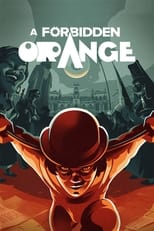 AOA Forbidden Orange
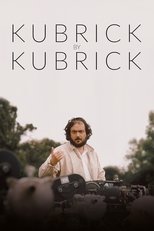 KKKubrick by Kubrick
 MSMaking Waves: The Art of Cinematic Sound
 FIFilmworker
 TLTrumbull Land
 SASecrets of British Animation
 SSS Is for Stanley
 KRKubrick Remembered
 AMAin't Misbehavin
 BMBert Stern - Original Madman
 OOOnce Upon a Time… A Clockwork Orange
 LKLost Kubrick: The Unfinished Films of Stanley Kubrick
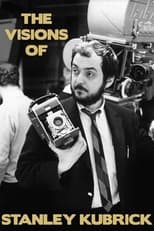 TKThe Visions of Stanley Kubrick
 VSView from the Overlook: Crafting 'The Shining'
 AT2001: A Space Odyssey - What Is Out There?
 DMDark Side of the Moon
 AIA.I. Artificial Intelligence
 SFStanley Kubrick - Ein Leben für den Film
 TM2001: The Making of a Myth
 ESEyes Wide ShutFJFull Metal Jacket
 TSThe Shining
 MSMaking 'The Shining'
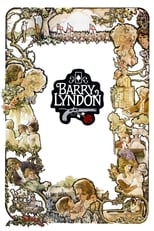 BLBarry LyndonAOA Clockwork Orange
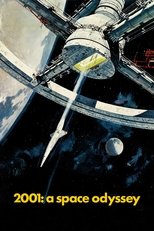 AO2001: A Space OdysseyLMLionpower from MGM
 AF2001: A Space Odyssey - A Look Behind the FutureDBDr. Strangelove or: How I Learned to Stop Worrying and Love the Bomb
 LOLolitaSPSpartacus
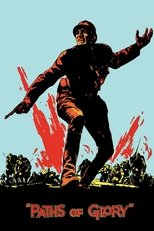 PGPaths of GloryTKThe Killing
 KKKiller's KissFDFear and Desire
 TSThe Seafarers
 DFDay of the Fight
 FPFlying PadreDBDreams That Money Can Buy
 KJKubrick's War: The Making of Full Metal Jacket
85 credits on file
Television 1
SCSpécial cinémaAwards
Family
Stanley KubrickPartners
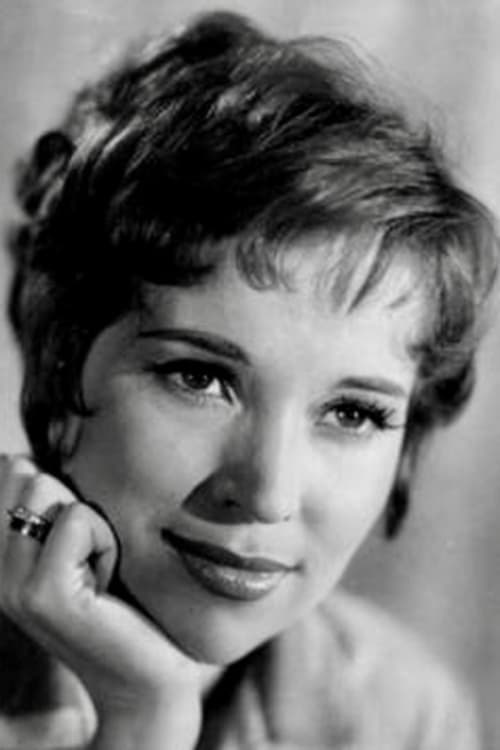

Is this everyone?
Only relatives with a profile here are drawn, so a family can be larger than this. A line here can also be wrong.
Correct this familyAbout this person
Born in New York City in 1928, Kubrick worked as a photographer for Look magazine in the late 1940s before making his first major Hollywood film, The Killing, in 1956. After two collaborations with Kirk Douglas - the anti-war Paths of Glory (1957) and the epic Spartacus (1960) - he settled in England in 1961, eventually centralizing all his work at Childwickbury Manor with his wife Christiane in 1978. There he secured near-total artistic control, backed by major studios, and made a string of films that broke ground: the Cold War satire Dr. Strangelove (1964), the scientifically precise 2001: A Space Odyssey (1968) - which won him his only Academy Award, for visual effects - and the brutal, later-withdrawn A Clockwork Orange (1971). He pioneered the Steadicam with The Shining (1980) and carried that fluidity into Full Metal Jacket (1987). A few days after screening his final film, Eyes Wide Shut, for family and cast in 1999, he died at seventy.
In common with Stanley
 Nicole KidmanAlso in Eyes Wide Shut (1999)
 Stephen KingAlso in The Shining (1980)
 Vladimir NabokovAlso in Lolita (1962)
 Rodney DangerfieldAlso in The Killing (1956)
 Cate BlanchettAlso in Eyes Wide Shut (1999)
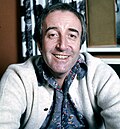 Peter SellersAlso in Dr. Strangelove or: How I Learned to Stop Worrying and Love the Bomb (1964)
Fame.am measures public visibility signals. It does not measure human value, talent, morality, or credibility.