Sigismund III Vasa
King of Poland, Grand Duke of Lithuania and king of the Polish-Lithuanian Commonwealth from 1587 until 1632 and King of Sweden from 1592 until 1599 (1566-1632) · Sweden · Historical Figures · Died at 65
Sigismund III Vasa is read about 1,163 times a day, in 66 languages.
A typical day, 30 days to 20 October 2026
The middle day of the days counted, so one week of news cannot move it. The line under it is the last 395 days, one point a day.
Something wrong?He held three crowns - Poland, Lithuania, Sweden - but lost one in a religious war with his own uncle, then turned his armies east and briefly put a Polish garrison inside the Kremlin. The king who moved Poland's capital to Warsaw and stretched its borders farther than they'd ever reach again.
Also in Deutsch
Photos 8
 Zygmunt Waza Soutman
 02023 0099 Poland of the Swedish Vasa kings
 Kraków Ennoblement Act
 Zygmunt III zatwierdza darowiznę dla Kolegium Jezuickiego w Poznaniu
 Zygmunt III nadaje Kolegium Jezuickiemu w Poznaniu uprawnienia Akademii
 Zygmunt III Waza rozstrzyga spor miasta Gniezna z mieszczanami
 Zygmunt III Waza rozstrzyga spor miasta Kalisza i wsi Dobrzec
 Zygmunt III potwierdza poprzednie przywileje Kobylina 1614
Awards
Family
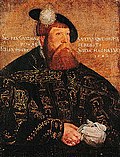
Parents


 Sigismund III Vasa
Partners
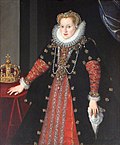

Children

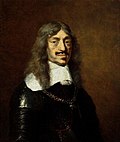


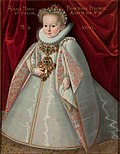
Brothers and sisters


Is this everyone?
Only relatives with a profile here are drawn, so a family can be larger than this. A line here can also be wrong.
Correct this familyAbout this person
Born 20 June 1566, son of Sweden's King John III and a Polish princess, Sigismund inherited a dynastic tangle. Elected to the Polish-Lithuanian throne in 1587, he became the first Vasa to rule the Commonwealth. When his father died in 1592, he added Sweden's crown and tried to weld the two realms into a single Catholic state. Protestant Sweden revolted; his uncle Charles led the opposition and deposed him in 1599, ending the union in blood. Sigismund turned his attention east and south: during Russia's Time of Troubles his forces seized Smolensk and occupied Moscow, pushing the Commonwealth to its greatest territorial extent. His armies also broke Ottoman forces in the southeast, contributing to the fall of Sultan Osman II. At home he imposed Catholicism with Jesuit backing, clashed with parliament, and in 1596 shifted the capital from Kraków to Warsaw. He died 30 April 1632, leaving a realm at the height of its Golden Age but already seeded with the fissures that would undo it.


Fame.am measures public visibility signals. It does not measure human value, talent, morality, or credibility.