Sergei Eisenstein is read about 1,227 times a day, in 129 languages.
A typical day, 30 days to 21 October 2026
The middle day of the days counted, so one week of news cannot move it. The line under it is the last 396 days, one point a day.
Something wrong?He turned editing itself into an art form. Eisenstein didn't just cut film - he built a theory of montage that taught the world how images collide to create meaning, and proved it with silent works that still land a century later.
A life in dates
 Swineherd and ShepherdFilm, 1941Producer1939Order of LeninAward1938
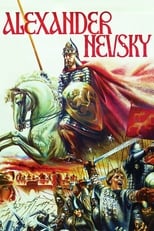 Alexander NevskyFilm, Director, Writer1933
 Eisenstein in MexicoFilm, Director1931
 Sentimental RomanceFilm, Director, Writer1928
 October (Ten Days that Shook the World)Film, Director, Writer1923
 Glumov's DiaryFilm, Director, Writer1898Born10 January 1898
Also in Deutsch
Photos 8


.jpg?width=1200)


In their own words 1
 ,
, American capitalism finds its sharpest and most expressive reflection in the American cinema.
Filmography 40
 TEThe Marriage of Greta Garbo and Sergei Eiseinstein
 SGSergei/Sir Gay
 TLThe Worlds of Mei Lanfang
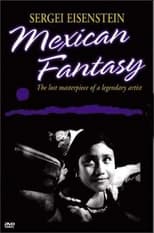 SFSergei Eisenstein: Mexican Fantasy
 EHEisenstein: The Master's House
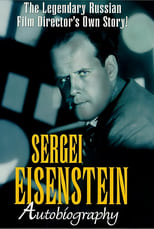 SASergei Eisenstein: Autobiography
 EMEisenstein en México
 QM¡Qué Viva México!
 SSSergei Eisenstein. Post Scriptum
 BFBezhin Meadow: Sequences from an Unfinished Film
 IPIvan the Terrible, Part II: The Boyars' Plot
 SESergei Eisenstein
 ESEisenstein’s Mexican Film: Episodes for Study
 IIIvan the Terrible, Part I
 TSThe Magic SeedSSSwineherd and Shepherd
 TSTime in the Sun
 OCOur CinemaANAlexander Nevsky
 DDDeath Day
 TMThunder Over MexicoEMEisenstein in Mexico
 HMHurray Mexico!SRSentimental Romance
 TOThe Disaster in Oaxaca
 WHWe’re Switching to Hollywood
 TLThe General Line
 EDEvery DayOWOctober (Ten Days that Shook the World)
 BPBattleship Potemkin
 STStrikeGDGlumov's Diary
 DKDas Kapital
82 credits on file
Awards
Family
Parents
 Sergei Eisenstein
Partners

Is this everyone?
Only relatives with a profile here are drawn, so a family can be larger than this. A line here can also be wrong.
Correct this familyAbout this person
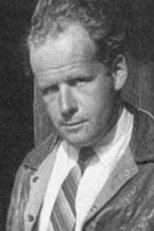
Sergei Mikhailovich Eisenstein was born in January 1898 and came up through Soviet cinema in the 1920s, where he directed Strike in 1925 and then Battleship Potemkin the same year - the latter eventually named by Sight and Sound as the 54th-greatest film ever made. October followed in 1928, closing out a silent trilogy that cemented his place as a pioneer in montage theory and practice. He shifted to sound with the historical epic Alexander Nevsky in 1938, then spent years on Ivan the Terrible, released in two parts in 1945 and 1958. He died in February 1948, halfway through that final project, but the method he built - the idea that meaning lives in the cut - outlasted him by generations.
In common with Sergei


Fame.am measures public visibility signals. It does not measure human value, talent, morality, or credibility.