Richard Owen
English biologist and paleontologist (1804-1892) · United Kingdom · Scientists · Died at 88
Richard Owen is read about 282 times a day, in 59 languages.
A typical day, 30 days to 26 October 2026
The middle day of the days counted, so one week of news cannot move it. The line under it is the last 400 days, one point a day.
Something wrong?He gave dinosaurs their name, fought Darwin on natural selection, and built London's Natural History Museum - then spent decades fending off accusations that he stole other scientists' ideas.
A life in dates
Also in Deutsch
Photos 12

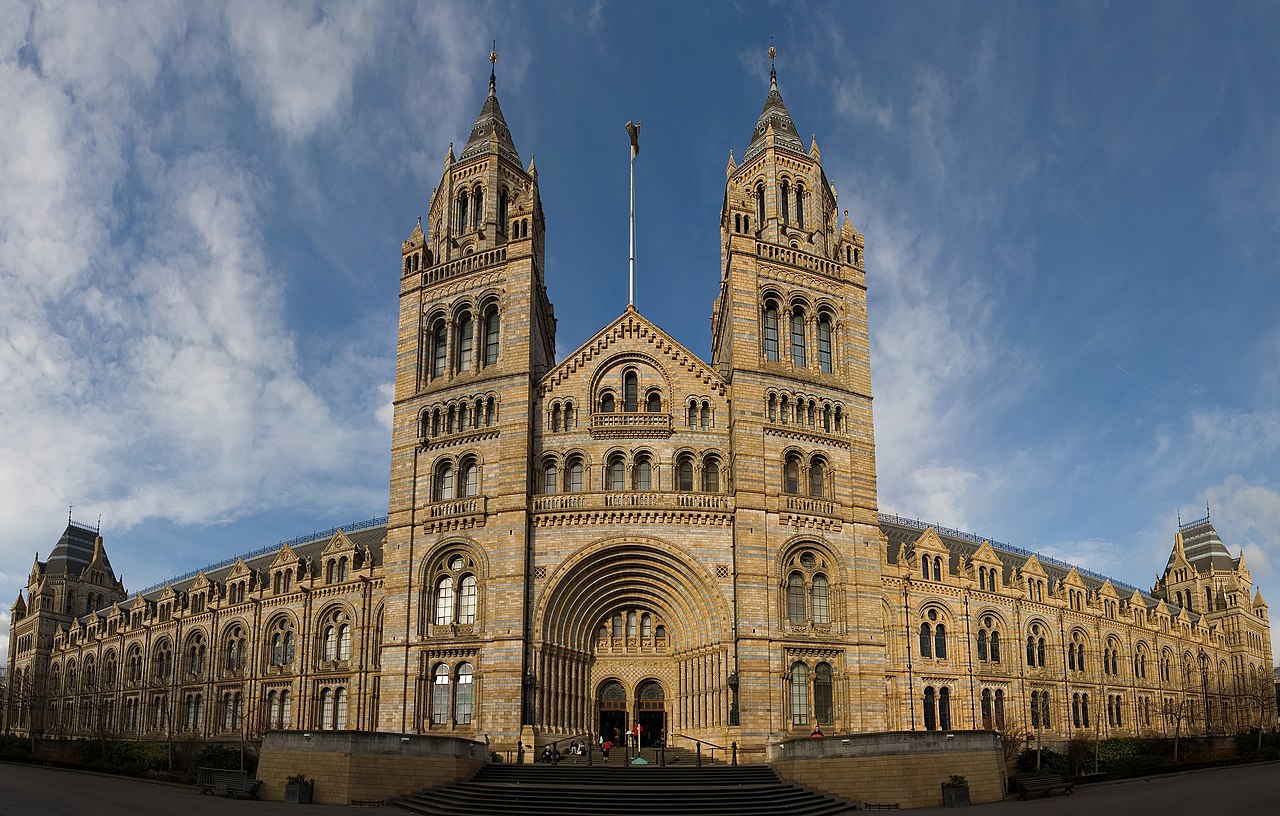 Owen was the driving force behind the establishment, in 1881, of the British Museum (Natural History) in London.
 Sheen Lodge, Richmond Park, home of Owen
 The young Richard Owen
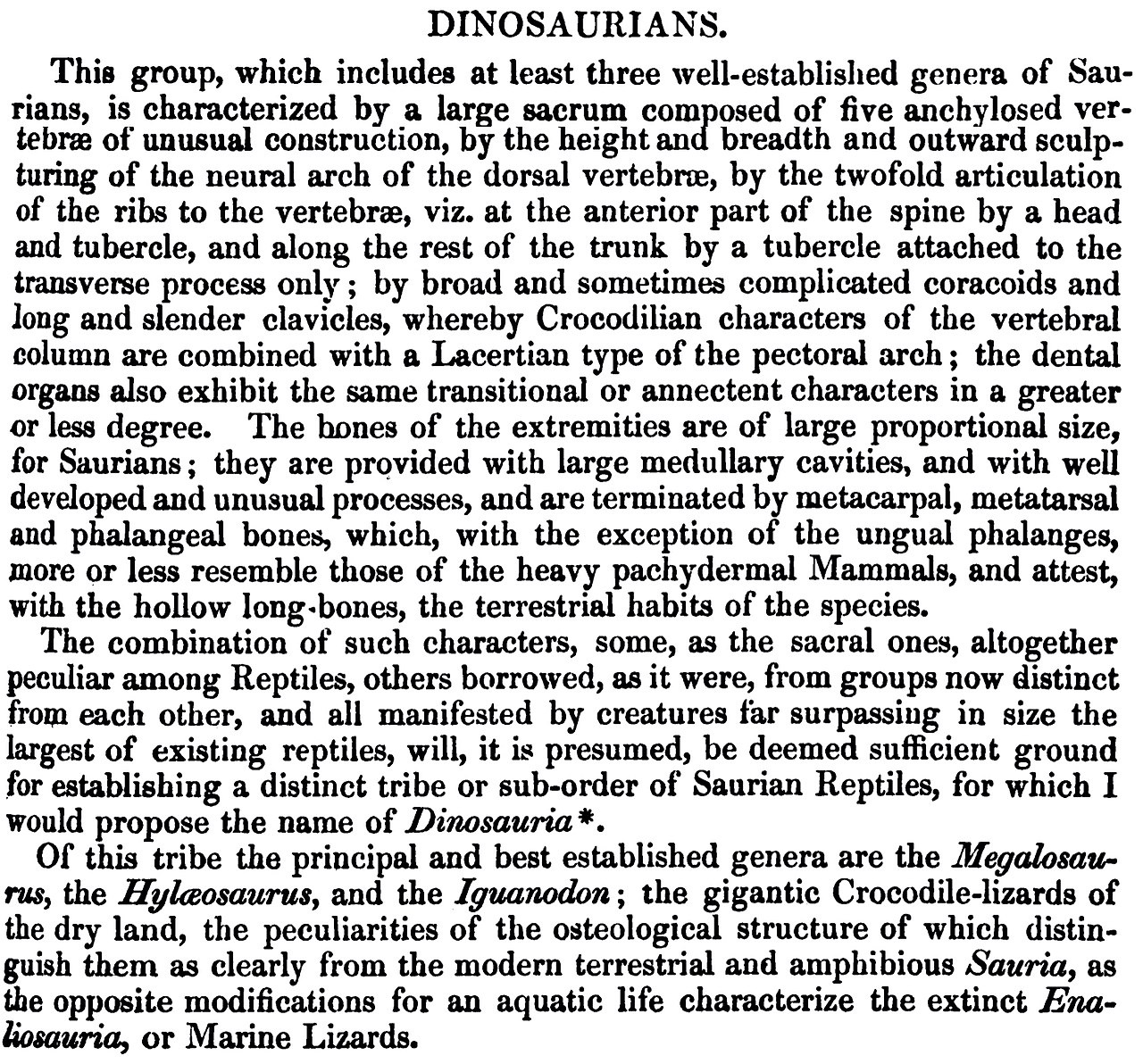 Owen's coining of the word dinosaur in 1841
 Owen's illustration of a camel's skeleton
 Owen in 1856 with the skull of a crocodile
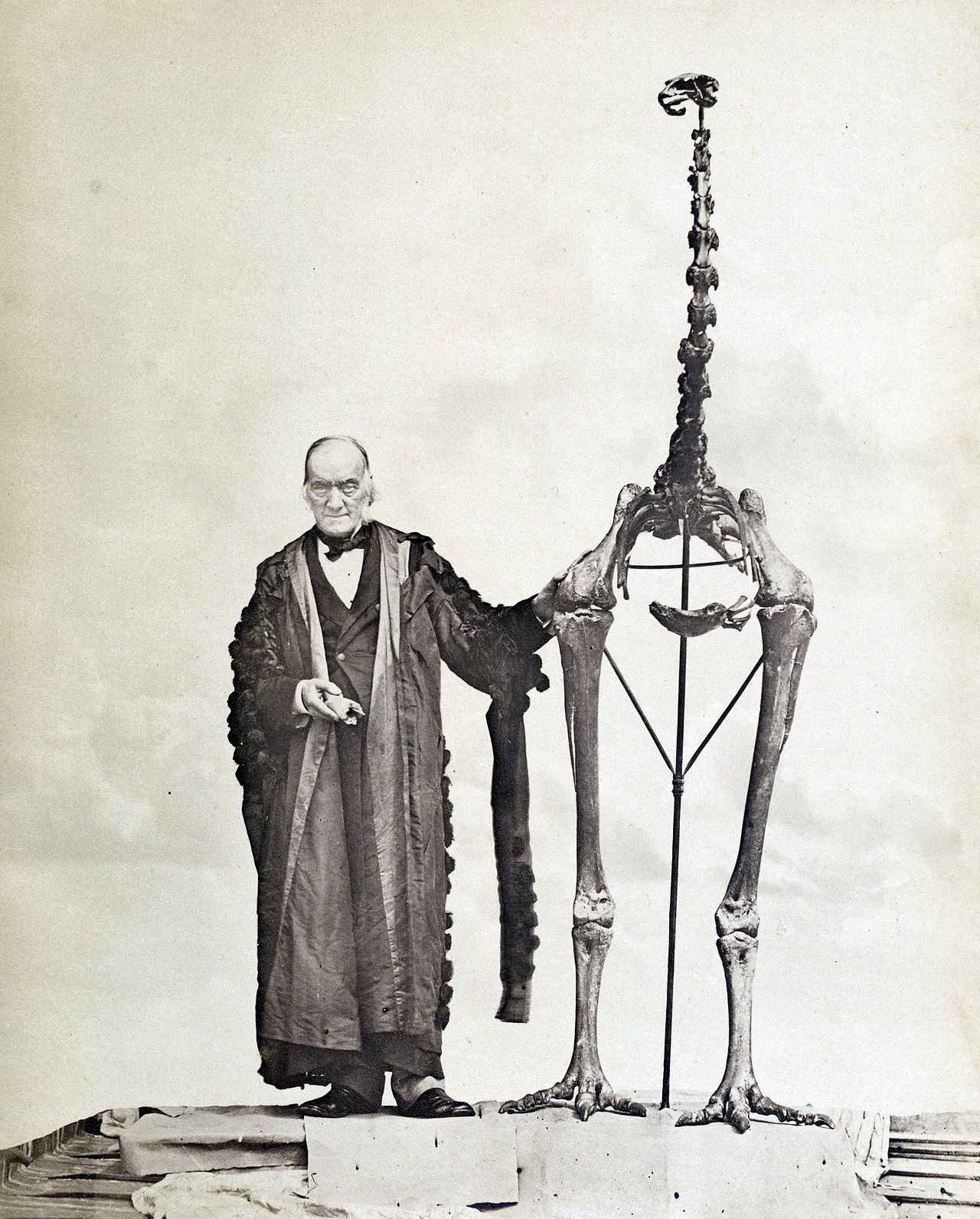 Owen with a giant moa skeleton in 1879
In their own words 2
 ,
No naturalist has devoted more painstaking attention to the structure of the barnacles than Mr. Darwin.
Manifold subsequent experience has led to a truer appreciation and a more moderate estimate of the importance of the dependence of one living being upon another.
Awards
About this person
Richard Owen was born on 20 July 1804 in England and became a comparative anatomist with what peers called a remarkable gift for reading fossils. In 1839 he served as the first president of the Microscopical Society of London, editing its journal and producing a vast body of scientific work. He coined the word "Dinosauria" - "Terrible Reptile" - giving the ancient giants their enduring label. Owen agreed evolution happened but rejected Darwin's mechanism of natural selection, calling it too simple; his approach anticipated questions that evolutionary developmental biology would later raise. He campaigned for decades to move the British Museum's natural specimens into a dedicated building, and in 1881 the Natural History Museum opened in South Kensington, transforming public expectations of what museums could be. He died 18 December 1892, remembered as much for controversy - disputes over Darwin, accusations he claimed others' discoveries - as for the institution and the word that outlasted him.
Scientists from the United Kingdom 6


Fame.am measures public visibility signals. It does not measure human value, talent, morality, or credibility.