
Philip Ford
✓ Source-basedstableFilm director, actor (1900-1976)
Fame44.7
Momentum1.8
Languages11
In century#92,069
Philip John Ford was an American film director and actor. He was the son of actor/director Francis Ford and the nephew of director John Ford, who was only seven years older than him.
Text from Wikipedia, CC BY-SA 4.0
Photos 1

Filmography 40
 The Mandarin Mystery
 Valley of the Zombies
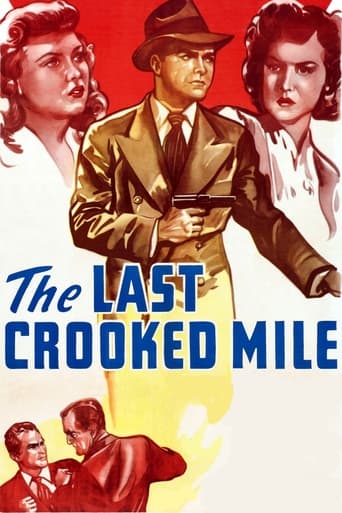 The Last Crooked Mile
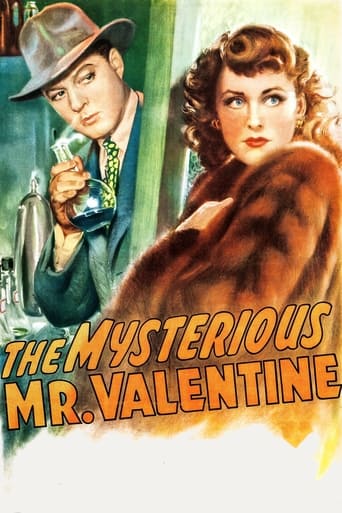 The Mysterious Mr. Valentine
 The Inner Circle
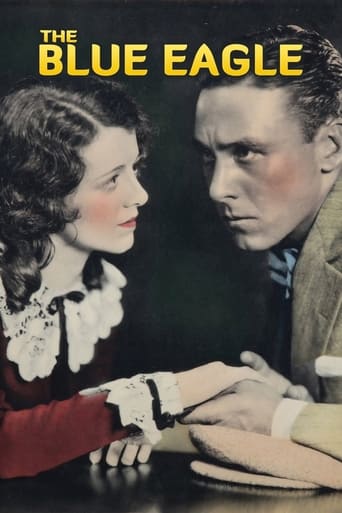 The Blue Eagle
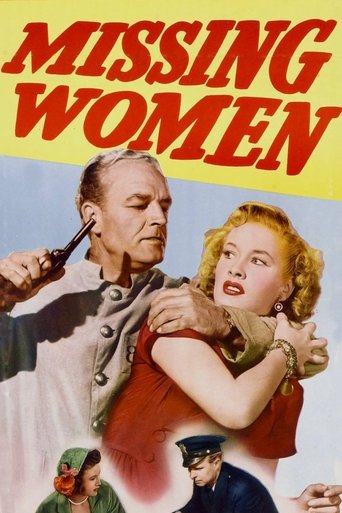 Missing Women
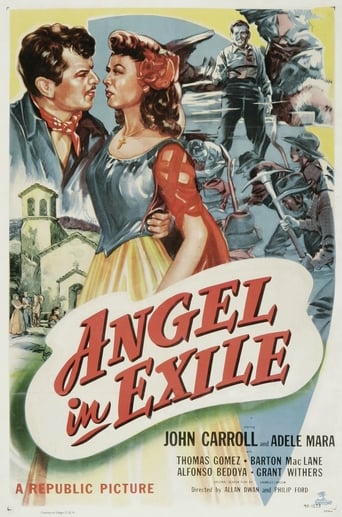 Angel in Exile
 Hideout
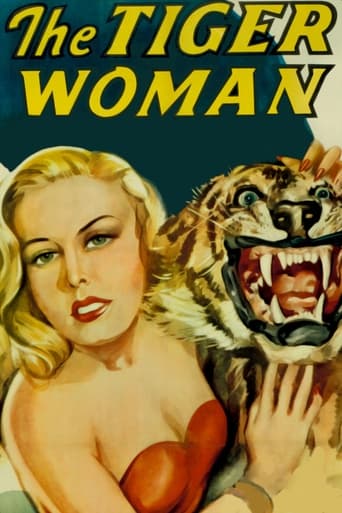 The Tiger Woman
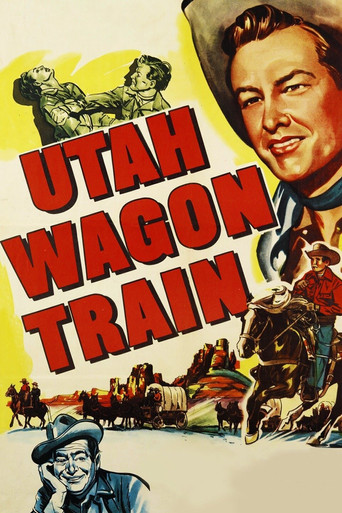 Utah Wagon Train
 The Denver Kid
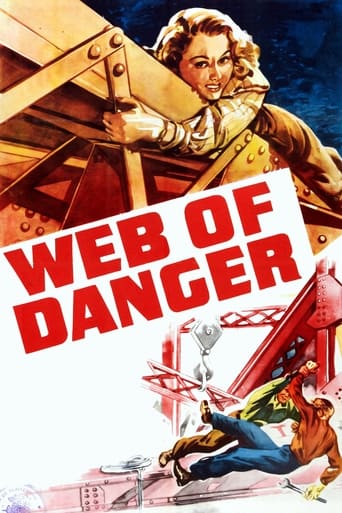 Web of Danger
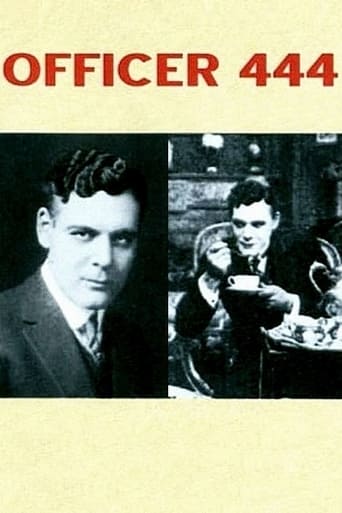 Officer '444'
 California Firebrand
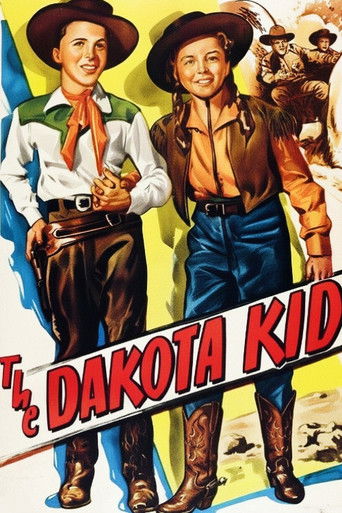 The Dakota Kid
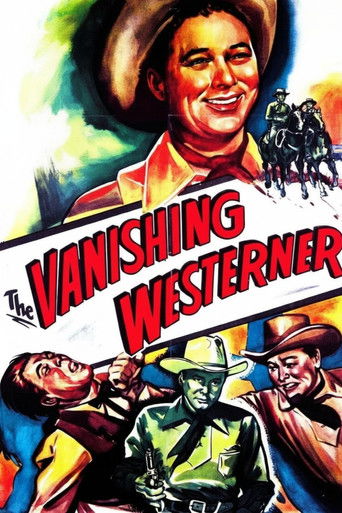 The Vanishing Westerner
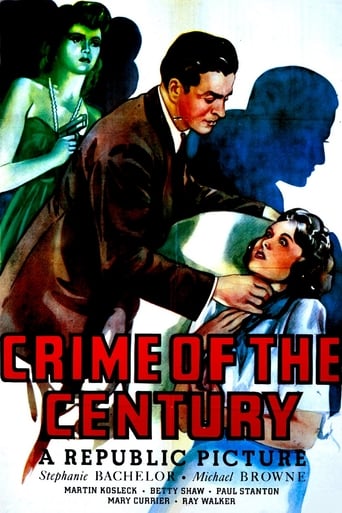 Crime of the Century
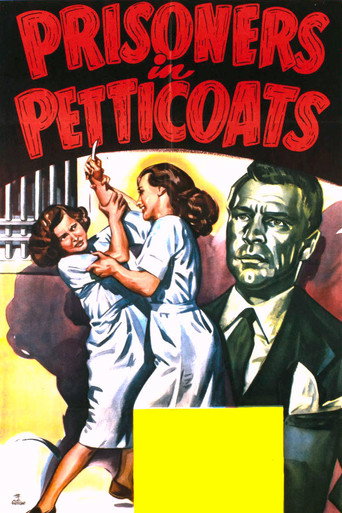 Prisoners in Petticoats
Train to Alcatraz
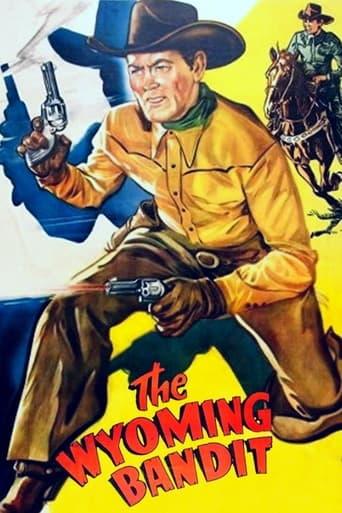 The Wyoming Bandit
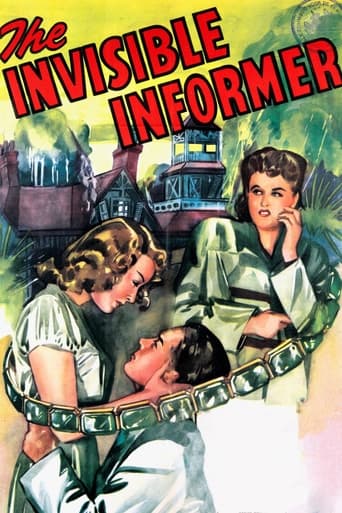 The Invisible Informer
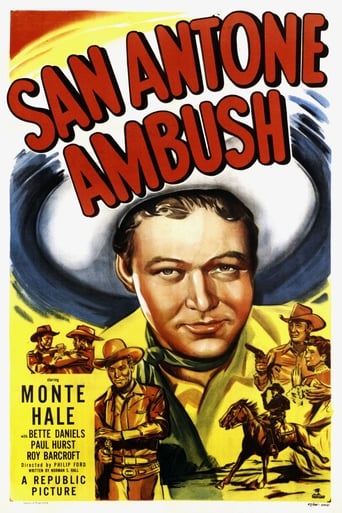 San Antone Ambush
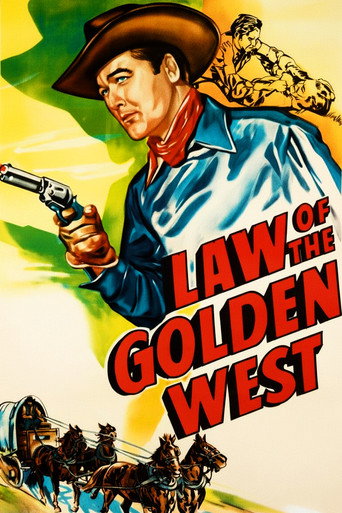 Law of the Golden West
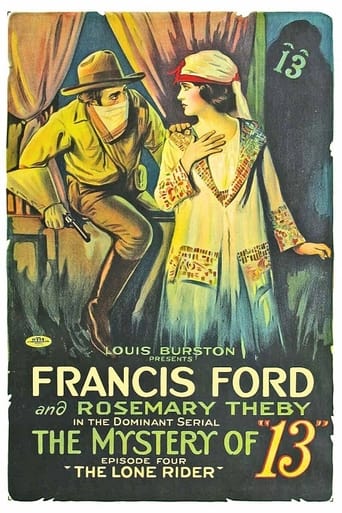 The Mystery Of 13
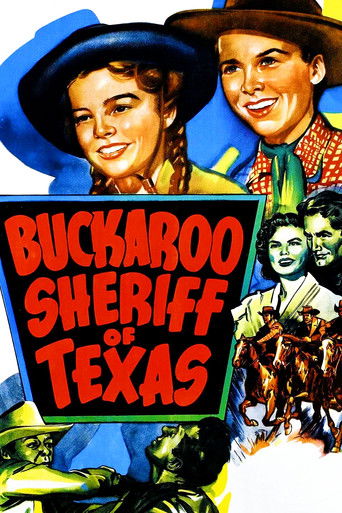 Buckaroo Sheriff of Texas
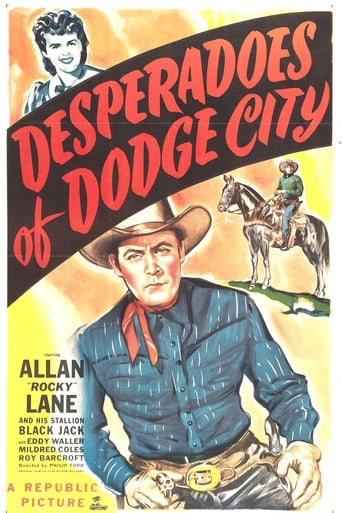 Desperadoes of Dodge City
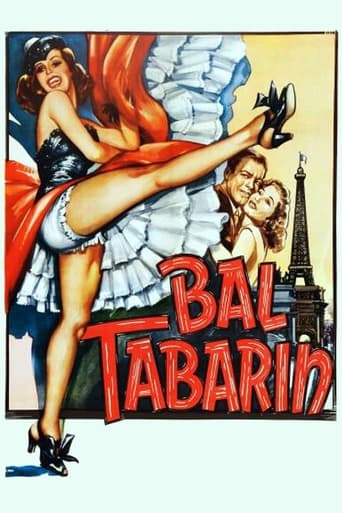 Bal Tabarin
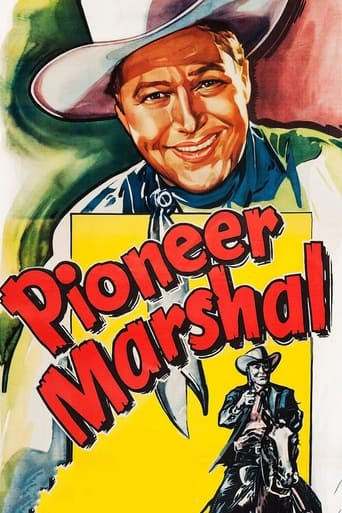 Pioneer Marshal
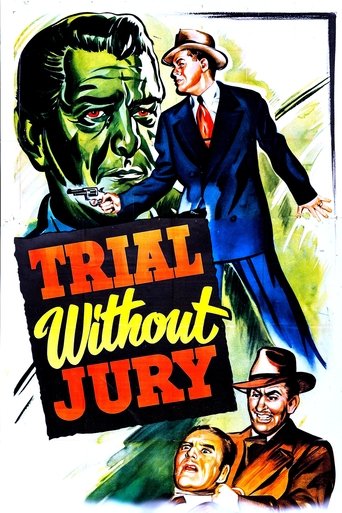 Trial Without Jury
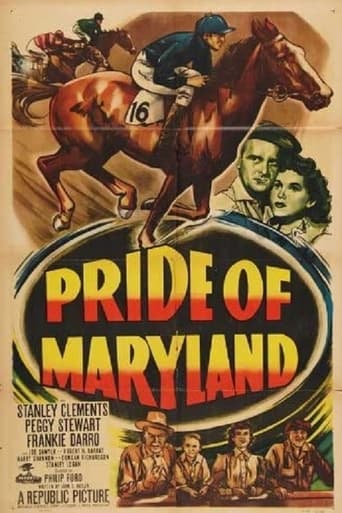 Pride of Maryland
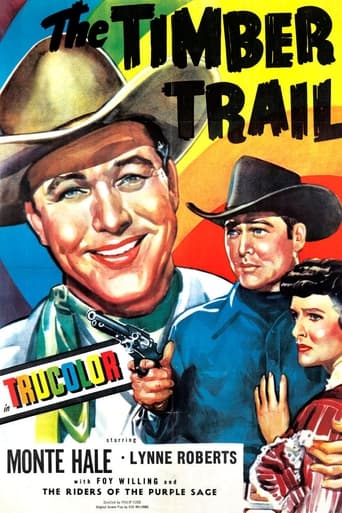 The Timber Trail
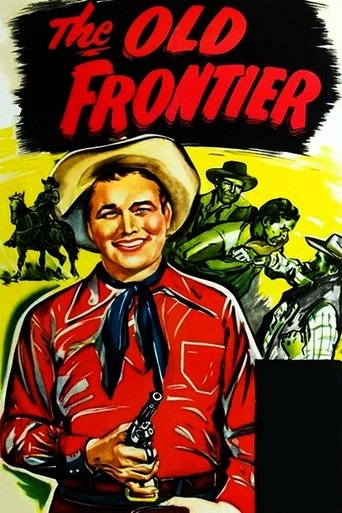 The Old Frontier
 Wells Fargo Gunmaster
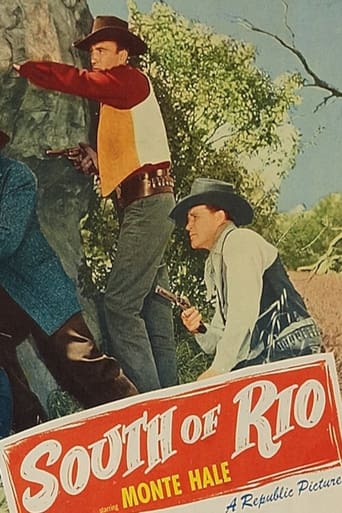 South of Rio
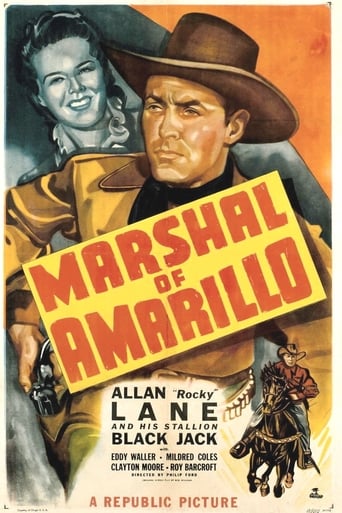 Marshal of Amarillo
 Rodeo King and the Senorita
 Outcasts of the Trail
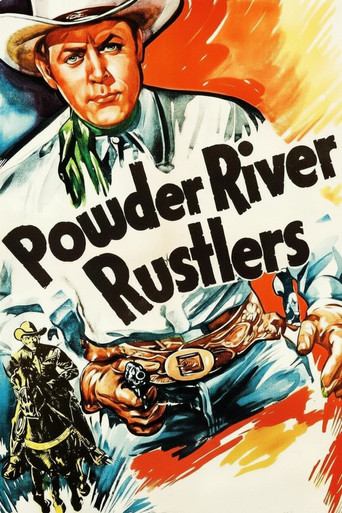 Powder River Rustlers
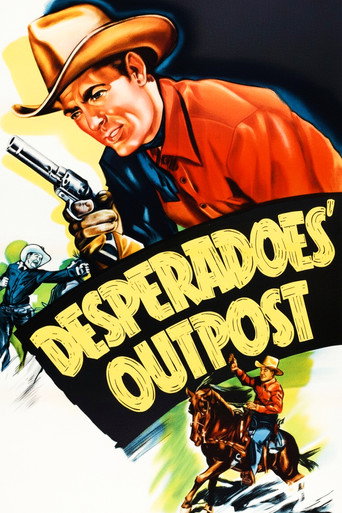 Desperadoes' Outpost
64 credits on file
Television 3
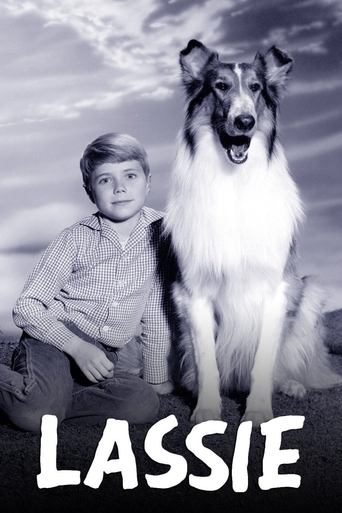 Lassie
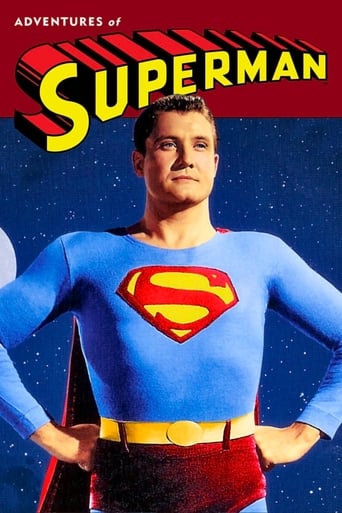 Adventures of Superman
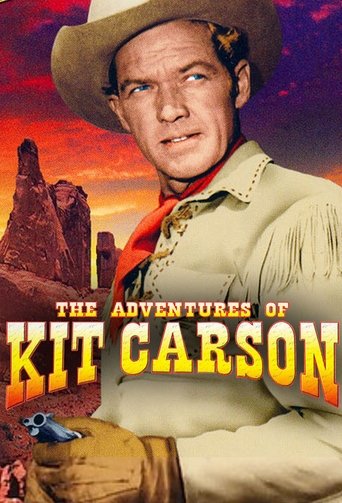 The Adventures of Kit Carson
Connected to Philip 6




About this person
Philip John Ford was an American film director and actor. He was the son of actor/director Francis Ford and the nephew of director John Ford, who was only seven years older than him. He was born with the family name Feeney in Portland, Maine, and only later took on the family name of "Ford" after his father and uncle had.
Text from Wikipedia, CC BY-SA 4.0
Country
 United States
Category
Directors
Type
Movie Director
Status
deceased
Dates
Lived 1900 to 1976 · aged 75
Wikipedia
11 languages
Fame.am measures public visibility signals. It does not measure human value, talent, morality, or credibility.