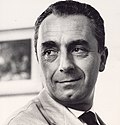
Michelangelo Antonioni
Italian film director and screenwriter (1912-2007) · Italy · Directors · Died at 94 · also Serbia
Michelangelo Antonioni is read about 1,092 times a day, in 70 languages.
A typical day, 30 days to 22 October 2026
The middle day of the days counted, so one week of news cannot move it. The line under it is the last 397 days, one point a day.
Something wrong?He made films where almost nothing happens and everything feels wrong - beautiful, slow, saturated with dread you can't name. His "alienation trilogy" in the early '60s turned ennui into high art, and Blowup made a murder mystery out of whether anything had happened at all.
A life in dates
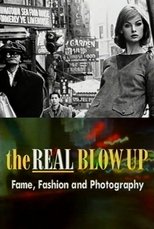 Fame, Fashion and Photography: The Real Blow UpFilm1994Academy Honorary AwardAward1993European Film Academy Lifetime Achievement AwardAward1985
 Room 666Film1983
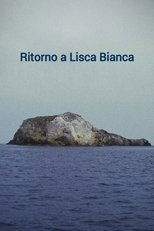 Return to Lisca Bianca IslandFilm, Director, Writer1981
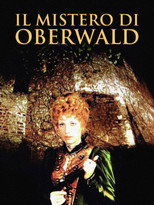 The Mystery of OberwaldFilm, Director, Writer1978
 Ciné regardsSeries1976David di Donatello Luchino ViscontiAward1972
 Chung Kuo-CinaSeries, Director
 Chung Kuo: ChinaFilm, 1972Director, Writer1970“My work is like digging, it's archaeological research among the arid materials of our times. That's how I understand my first films, and that's what I'm still doing...”In their wordsAugust 1970On Zabriskie Point (1970) in Esquire (August 1970)1969“When I am shooting a film I never think of how I want to shoot something; I simply shoot it.”In their words29 July 1969Interview in Rome (29 July 1969), published in Encountering Directors (1972) by Charles Thomas Samuels, p. 15-321968Nastro d'argento for best non-Italian filmAward1966National Society of Film Critics Award for Best DirectorAward1965
 Antonioni: Documents and TestimonialsFilm1964Golden LionAward1962Jury PrizeAward
 L'EclisseFilm, 1962Director, Writer1961David di Donatello for Best DirectorAward1960“I am not a theoretician of the cinema. If you ask me what directing is, the first answer that comes into my head is: I don't know.”In their words"Autobiographical interview" in Cahiers du Cinema (1960)“I find that it is very useful to look over the location and to feel out the atmosphere while waiting for the actors.”In their words"Autobiographical interview" in Cahiers du Cinema (1960)“A director is a man, therefore he has ideas; he is also an artist, therefore he has imagination.”In their words"Autobiographical interview" in Cahiers du Cinema (1960)Jury PrizeAwardSutherland TrophyAward
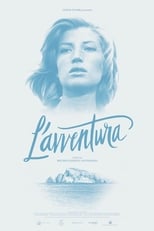 L'AvventuraFilm, 1960Director, Writer1957Golden LeopardAward1956Grolla d'oro for Best DirectionAwardNastro d'Argento for the director of the best filmAward1955Silver LionAward
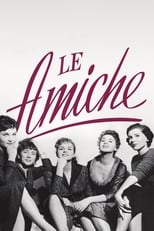 Le AmicheFilm, 1955Director, Writer1954
 Reflets de CannesSeries1953
 The OscarsSeries1950
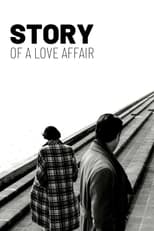 Story of a Love AffairFilm, Director, Writer1948
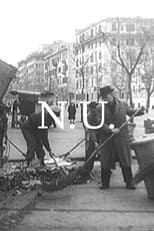 N.U.Film, Director, Writer1942
 A Pilot ReturnsFilm, Writer1912Born29 September 1912
Also in Deutsch
Photos 8
.jpg?width=1200) Michelangelo Antonioni portrait (cropped)
Michelangelo Antonioni portrait (cropped) Alessandra caprara e silvana costa su dis. di michelangelo antonioni, le montagne incantate, 1997
 Balthus 02
 Balthus 03
 Dupont Theater Ad - 1 June 1962, NW, Washington, D.C
 Giacci antonioni
 Luciana notturni e daniele strada su dis. di michelangelo antonioni, le montagne incantate, 1997
 Michelangelo Antonioni Com L10-0197-0002-0002
In their own words 10
 ,
, The photographer in Blow-Up, who is not a philosopher, wants to see things closer up. But it so happens that, by enlarging too far, the object itself decomposes and disappears.
Hollywood is like being nowhere and talking to nobody about nothing.
My work is like digging, it's archaeological research among the arid materials of our times. That's how I understand my first films, and that's what I'm still doing...
Filmography 40
 JSJeanne Moreau: Free Spirit
 CUClose Up
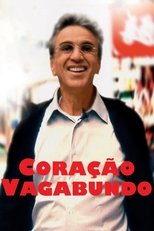 WHWandering Heart
 EREros
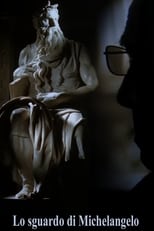 MEMichelangelo Eye to Eye
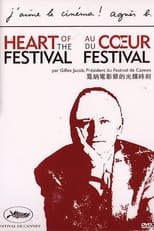 HFHeart of the FestivalFUFame, Fashion and Photography: The Real Blow Up
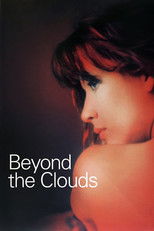 BCBeyond the Clouds
 DC12 Directors for 12 CitiesRORoom 666
 FBFarewell to Enrico BerlinguerRIReturn to Lisca Bianca Island
 IWIdentification of a WomanTOThe Mystery of Oberwald
 TPThe PassengerCCChung Kuo: China
 ZPZabriskie Point
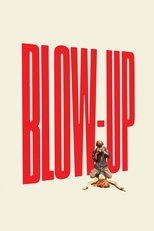 BUBlow-Up
 TFThe Three FacesATAntonioni: Documents and Testimonials
 RDRed DesertLEL'Eclisse
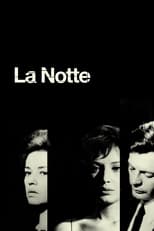 LNLa NotteLAL'Avventura
 IGIl GridoLALe Amiche
 LCLove in the City
 TCThe Lady Without Camelias
 TVThe Vanquished
 TSThe White SheikSAStory of a Love Affair
 TMThe Villa of Monsters
 TFThe Funicular of Mount Faloria
 LLLies of LoveNUN.U.
 SDSeven Reeds, One Dress
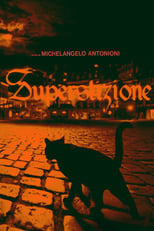 SUSuperstition
 PVPeople of the Po Valley
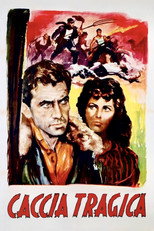 THTragic HuntARA Pilot Returns
134 credits on file
Television 4
CRCiné regardsCCChung Kuo-CinaRCReflets de CannesTOThe OscarsAwards
In their orbit
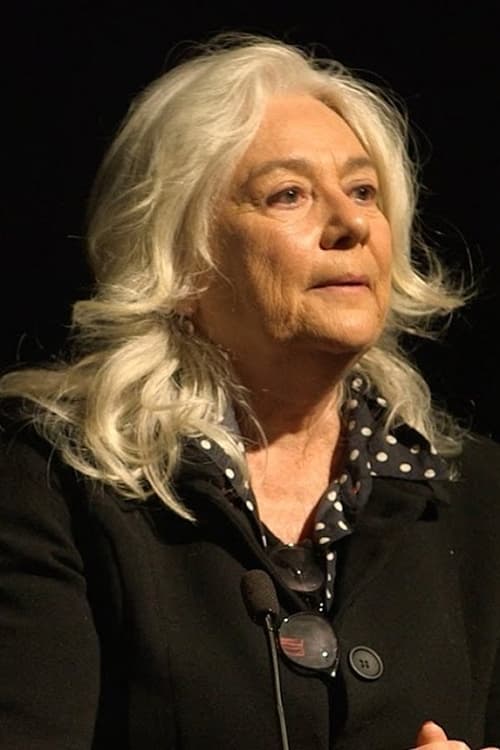 Spouse: Enrica Antonioni
About this person
Michelangelo Antonioni was born in northern Italy in 1912 and spent decades as a screenwriter and editor before his breakout. Between 1960 and 1962 he released L'Avventura, La Notte, and L'Eclisse - three films that stripped narrative to a whisper and let modern landscapes do the talking, a trilogy that redefined what cinema could hold. Blowup followed in 1966, an English-language riddle about a London photographer and a photograph that may or may not show a crime; it earned him Oscar nominations for directing and writing. The Passenger came in 1975, another multilingual drift through identity and disappearance. He became the first director to win all four major European festival prizes - Palme d'Or, Golden Lion, Golden Bear, Golden Leopard - and in 1995 the Academy gave him an honorary Oscar for his visual style. He died in July 2007, the same day as Ingmar Bergman.


Fame.am measures public visibility signals. It does not measure human value, talent, morality, or credibility.