Luchino Visconti is read about 1,285 times a day, in 68 languages.
A typical day, 30 days to 22 October 2026
The middle day of the days counted, so one week of news cannot move it. The line under it is the last 397 days, one point a day.
Something wrong?He started neorealism with a film the Fascists condemned, then spent the rest of his career turning toward the opposite: vast historical epics about aristocratic decay, death, and beauty.
A life in dates
 Spécial cinémaSeries
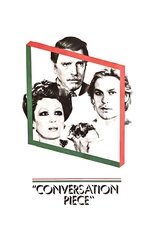 Conversation PieceFilm, 1974Director, Writer1971
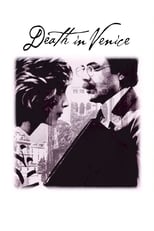 Death in VeniceFilm, Director, Writer1970TreffpunkteSeries1967
 Cinéma et RéalitéFilm1965Golden LionAward1963Palme d'OrAward
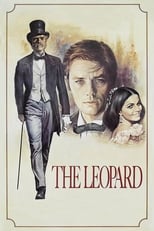 The LeopardFilm, 1963Director, Writer1960Grand Jury Prize of the Venice Film FestivalAward1957Silver LionAward
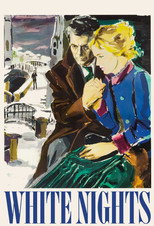 White NightsFilm, 1957Director, Writer1954
 Reflets de CannesSeries1953Anna MagnaniFilm, Director1949
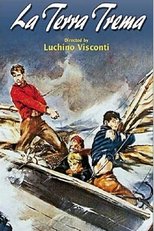 La Terra TremaFilm, Director, Writer1943
 ObsessionFilm, Director, Writer1906Born2 November 1906
Also in Deutsch
Photos 8


.jpg?width=1200)


Filmography 40
 BWBeing Bo Widerberg
 RWRomy, A Free Woman
 TWThe Most Beautiful Boy in the World
 TTTrintignant by Trintignant
 CVCinecittà, de Mussolini à la Dolce Vita
 CSClaudia Cardinale, la créature du secret
 ATAlain Delon, l'ombre au tableau
 HMHelmut Berger, My Mother and Me
 LPLuchino Visconti: Between Truth and Passion
 LILuchino Visconti: The Quest for the Impossible
 1960
1960 TVThe Hidden Angels of Luchino Visconti
 CACallas Assoluta
 MDMarcello, una vita dolce
 HLHelmut Berger - Mein Leben
 LVLuchino Visconti
 MMMy Name Is Anna Magnani
 CDCallas: A Documentary
 TIThe InnocentCPConversation Piece
 LULudwigDVDeath in Venice
 STSearching for Tadzio
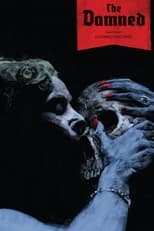 TDThe Damned
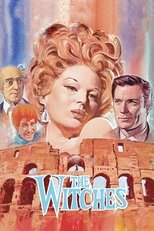 TWThe Witches
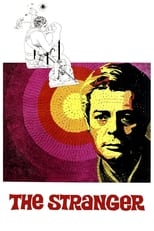 TSThe StrangerCRCinéma et Réalité
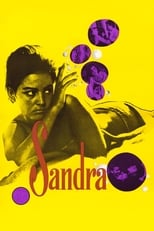 SASandraTLThe Leopard
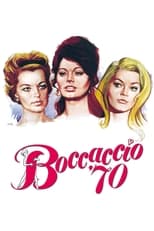 BOBoccaccio '70
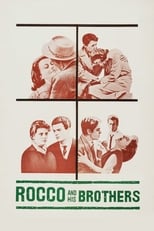 RBRocco and His BrothersWNWhite Nights
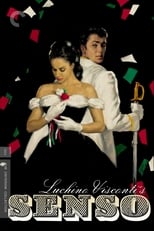 SESenso
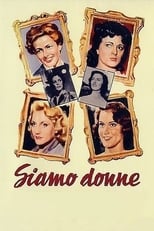 WWWe, the Women
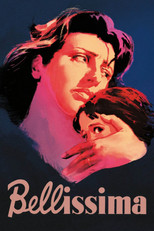 BEBellissima
 NSNotes on a True StoryLTLa Terra Trema
 DGDays of GloryOBObsession
93 credits on file
Television 4
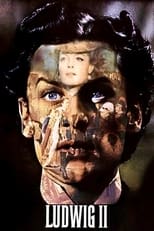 LULudwigSCSpécial cinémaRCReflets de Cannes
Awards
Family
Parents


 Luchino Visconti
Is this everyone?
Only relatives with a profile here are drawn, so a family can be larger than this. A line here can also be wrong.
Correct this familyAbout this person
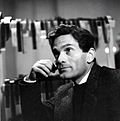
Born into Milanese nobility in 1906, Visconti began as an assistant to Jean Renoir in France before returning to direct Ossessione in 1943 - a raw working-class story the Fascist regime hated but that became Italian neorealism's first landmark. He served in the resistance during the war, stayed active in left-wing politics after, and then pivoted: Senso in 1954, The Leopard in 1963 (Palme d'Or), Rocco and His Brothers, and the "German Trilogy" - The Damned, Death in Venice, Ludwig - all sweeping, decadent meditations on European history and noble collapse. He directed opera and theatre at La Scala and beyond, won the Golden Lion, influenced Coppola and Scorsese. He died in 1976, having shaped Italian cinema more than anyone.




Fame.am measures public visibility signals. It does not measure human value, talent, morality, or credibility.