Kinji Fukasaku
Japanese film director and screenwriter (1930-2003) · Japan · On the map · Directors · Died at 72
Kinji Fukasaku was a Japanese filmmaker. Known for his "broad range and innovative filmmaking", he worked in many different genres and styles, but was best known for his gritty yakuza films, typified by the Battles Without Honor and Humanity series (1973-1976).
Kinji Fukasaku is read about 560 times a day, in 24 languages.
A typical day, 30 days to 16 November 2026
The middle day of the days counted, so one week of news cannot move it. The line under it is the last 400 days, one point a day.
Something wrong?A life in dates
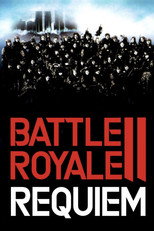 Battle Royale II: RequiemFilm, 2003Director1999Nikkan Sports Film Award for Best DirectorAward
 The Geisha HouseFilm, 1999Director1997Medal with Purple RibbonAward1994Nikkan Sports Film Award for Best DirectorAward
 Crest of BetrayalFilm, 1994Director, Writer1987Japan Academy Prize for Director of the YearAward1983Blue Ribbon Awards for Best DirectorAwardJapan Academy Prize for Director of the YearAward
 Legend of the Eight SamuraiFilm, 1983Director, Writer1982
 Fall GuyFilm, Director1980
 Shadow WarriorsSeries, Director, Writer
 VirusFilm, 1980Director, Writer1977
 Doberman CopFilm, Director1976Blue Ribbon Awards for Best DirectorAward
 New Battles Without Honor and Humanity 3: Last Days of the BossFilm, 1976Director1975
 Unified ShadowsSeries, Director1974
 Wounded AngelsSeries, Director
 Battles Without Honor and Humanity: Final EpisodeFilm, 1974Director1972
 Professional KillersSeries, Director
 Street MobsterFilm, 1972Director, Writer1971
 Sympathy for the UnderdogFilm, Director, Writer1969
 Black Rose MansionFilm, Director, Writer1968
 Key HunterSeries, Director
 Black LizardFilm, 1968Director, Writer1964
 Wolves, Pigs & MenFilm, Director, Writer1930Born3 July 1930
People around Kinji

 Hiroyuki Sanada Kinji directed Legend of the Eight Samurai (1983)
 Sonny Chiba Kinji directed Virus (1980)
 Tetsurō Tamba Kinji directed Under the Flag of the Rising Sun (1972)
 Ken Ogata Kinji directed House on Fire (1986)
- Bunta Sugawara Kinji directed Battles Without Honor and Humanity: Deadly Fight in Hiroshima (1973)
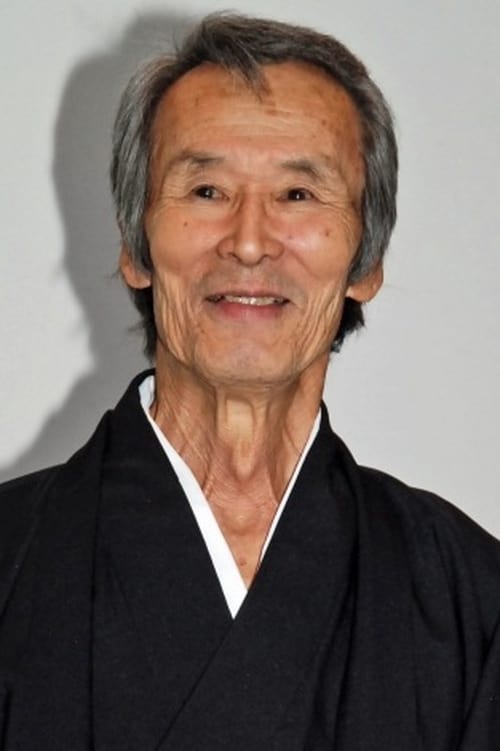 Seizō Fukumoto Kinji directed Message from Space and Fall Guy
 Kunie Tanaka Kinji directed Graveyard of Honor (1975)
 Tomisaburō Wakayama Kinji directed Sympathy for the Underdog (1971)
 Morio Kazama Kinji directed Fall Guy and A Chaos of Flowers
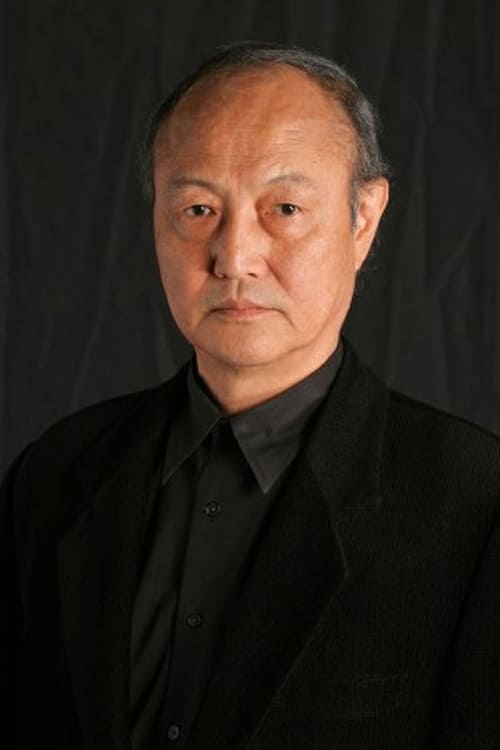 Renji Ishibashi Kinji directed House on Fire (1986)
 Etsuko Shihomi Kinji directed Legend of the Eight Samurai (1983)
 Keiko Matsuzaka Kinji directed Legend of the Eight Samurai (1983)
 Kō Nishimura Kinji directed Black Lizard (1969)
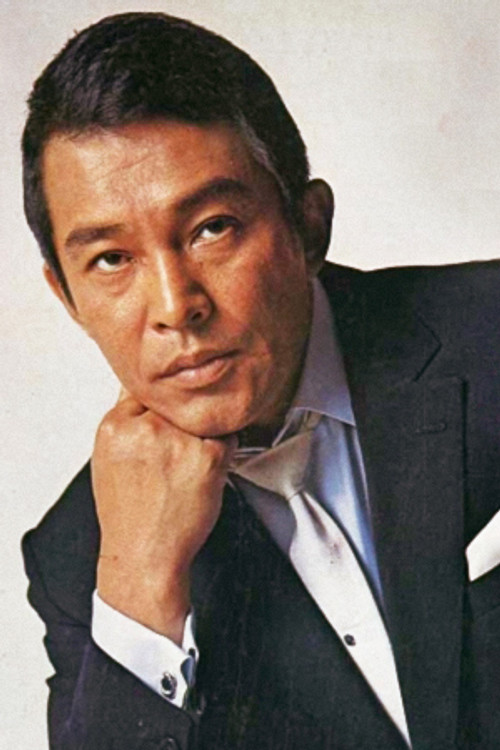 Noboru Ando Kinji directed Graveyard of Honor (1975)
 Nobuo Kaneko Kinji directed Shogun's Samurai (1978)
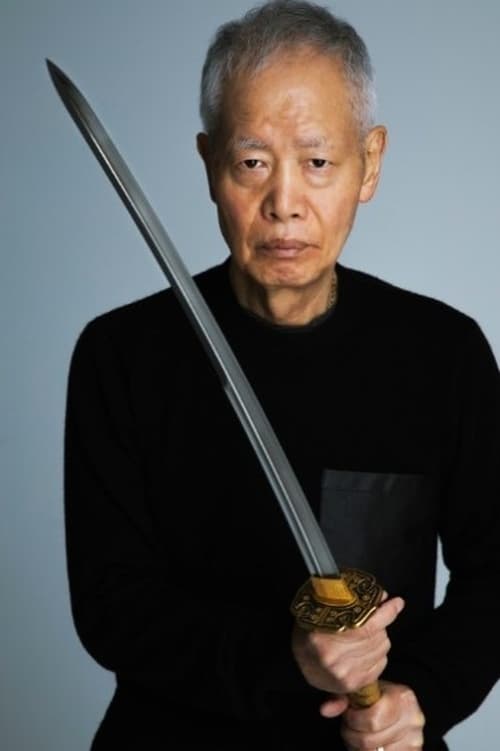 Haruki Kadokawa Produced Virus and Samurai Reincarnation
 Hiroki Matsukata Kinji directed Shogun's Samurai (1978)
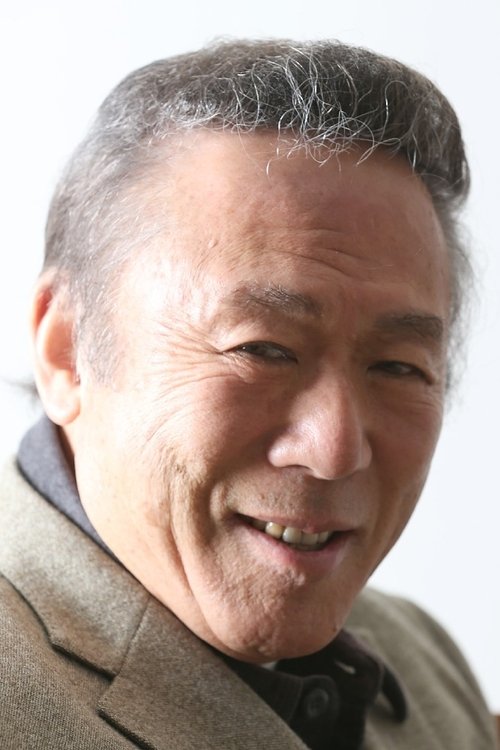 Nenji Kobayashi Kinji directed Message from Space (1979)
 Shingo Yamashiro Kinji directed Graveyard of Honor (1975)
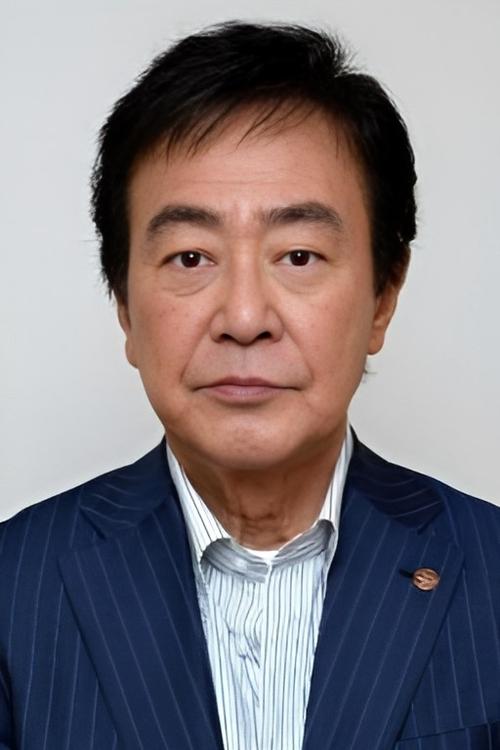 Tsunehiko Watase Kinji directed The Fall of Ako Castle (1978)
 Isao Natsuyagi Kinji directed Virus and Shogun's Samurai
 Mikio Narita Kinji directed Graveyard of Honor (1975)
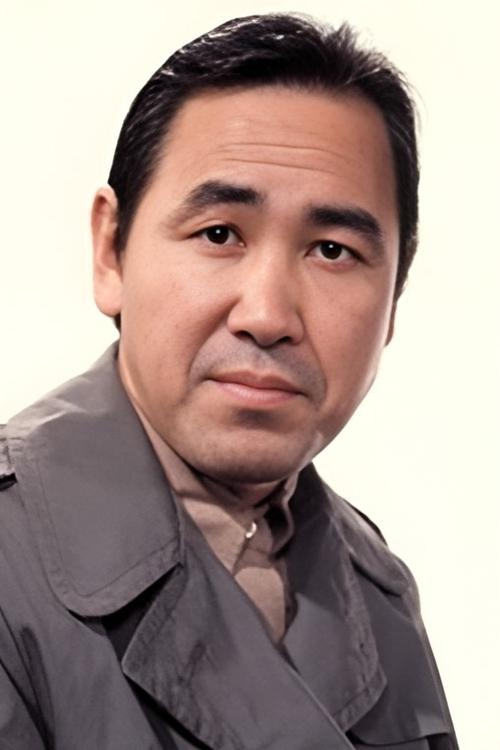 Hideo Murota Kinji directed Tora! Tora! Tora! (1970)
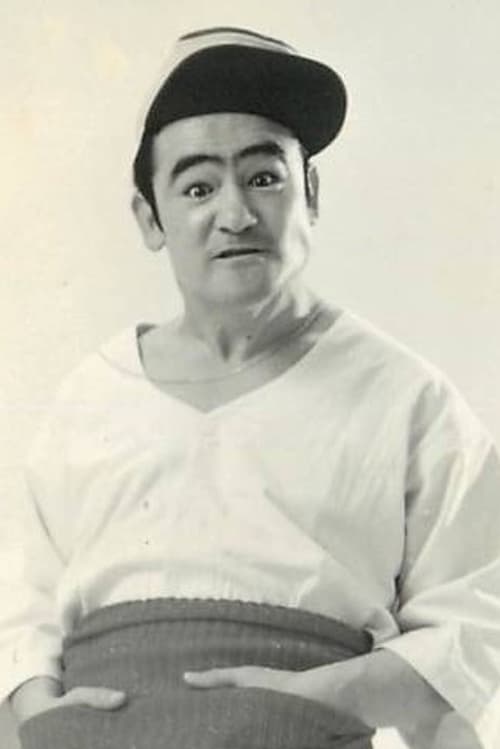 Takuzo Kawatani Kinji directed Battles Without Honor and Humanity: Deadly Fight in Hiroshima (1973)
 Kinji Fukasaku
Partners


Is this everyone?
Only relatives with a profile here are drawn, so a family can be larger than this. A line here can also be wrong. A marriage is drawn as ended only where its end is recorded, so a spouse drawn here may be a former one.
Correct this familyKnown for
View all 40 titles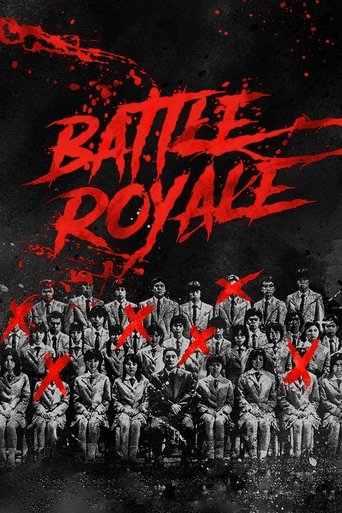 Battle Royale 2000
 Battles Without Honor and Humanity 1973
 Battles Without Honor and Humanity: Deadly Fight in Hiroshima 1973
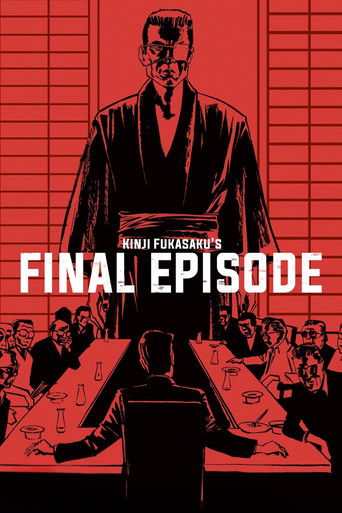 Battles Without Honor and Humanity: Final Episode 1974
 Tora! Tora! Tora! 1970
Filmography 40
114 credits on file
Television 5
Media & music
Photos 1

Awards
About this person
According to the Berkeley Art Museum and Pacific Film Archive, his "turbulent energy and at times extreme violence express a cynical critique of social conditions and genuine sympathy for those left out of Japan's postwar prosperity". He used a cinema verite-inspired shaky camera technique in many of his films from the early 1970s.