Jean Renoir is read about 700 times a day, in 67 languages.
A typical day, 30 days to 15 October 2026
The middle day of the days counted, so one week of news cannot move it. The line under it is the last 390 days, one point a day.
Something wrong?He made two films in the 1930s that critics still call untouchable - La Grande Illusion and The Rules of the Game - and developed a visual signature so distinct it could be spotted in a single frame among thousands.
A life in dates
 The Christian Licorice StoreFilm1963Prix Charles BlancAward1962
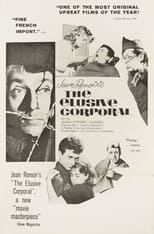 The Elusive CorporalFilm, Director, Writer1959
 DiscoramaSeries
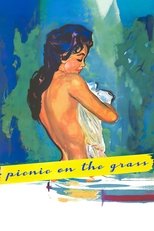 Picnic on the GrassFilm, 1959Director, Writer1956
 CinépanoramaSeries1955
 French CancanFilm, Director, Writer1951
 The RiverFilm, Director, Writer1946
 A Day in the CountryFilm, Director, Writer1943
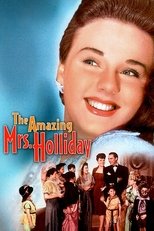 The Amazing Mrs. HollidayFilm, Director1938
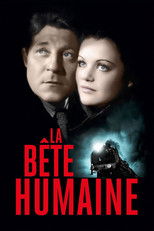 La Bête HumaineFilm, Director, Writer1937Louis Delluc PrizeAward1936
 Life Is OursFilm, Director, Writer1934
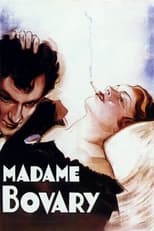 Madame BovaryFilm, Director, Writer1931
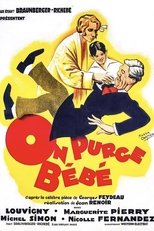 Baby's LaxativeFilm, Director, Writer1928
 The Little Match GirlFilm, Director, Writer1926
 NanaFilm, Director, Producer1915
 Those of Our LandFilm1894Born15 September 1894
Also in Deutsch
Photos 8

 Jean Renoir pranzo Roma 1940
 Jean Renoir Roma 1940
 Jean Renoir's pottery circa 1915
 Koch Renoir Roma 1940
 Recueil. "La règle du jeu" film de Jean Renoir - btv1b105081613 (22 of 49)
 Recueil. "La règle du jeu" film de Jean Renoir - btv1b105081613 (30 of 49)
 Recueil. "La règle du jeu" film de Jean Renoir - btv1b105081613 (32 of 49)
Filmography 40
TSThe Christian Licorice Store LLLouis LumièreTCThe Elusive Corporal
 EEExperiment in EvilPGPicnic on the Grass
 EMElena and Her MenFCFrench Cancan
 TCThe Golden CoachTRThe River
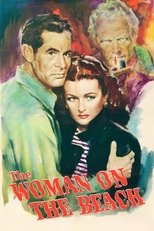 TBThe Woman on the BeachACA Day in the Country
 TCThe Diary of a Chambermaid
 TSThe Southerner
 TMThis Land Is MineTHThe Amazing Mrs. Holliday
 SWSwamp Water
 TGThe Rules of the GameLHLa Bête Humaine
 LMLa Marseillaise
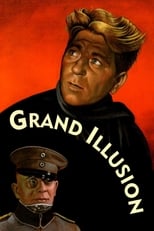 GIGrand Illusion
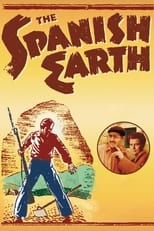 TEThe Spanish Earth
 TLThe Crime of Monsieur Lange
 TDThe Lower DepthsLOLife Is Ours
 TOToniMBMadame Bovary
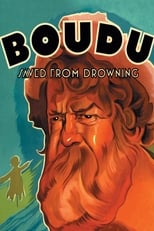 BDBoudu Saved from Drowning
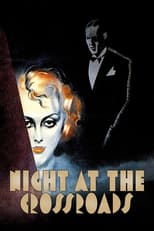 NCNight at the Crossroads
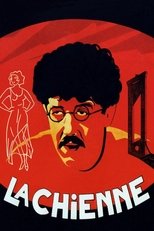 LCLa ChienneBLBaby's Laxative
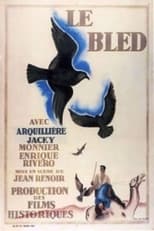 LBLe BledTGThe Little Match Girl
 TSThe Sad Sack
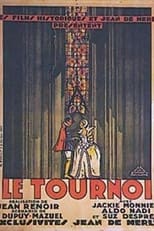 TTThe Tournament
 CPCharleston Parade
 LLLa P’tite Lili
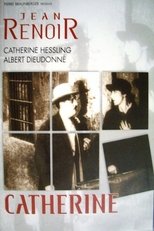 BABackbitersNANana
 WFWhirlpool of FateTLThose of Our Land
128 credits on file
Television 3
DIDiscoramaCICinépanoramaAwards
Family
Parents


 Jean Renoir
Partners


Is this everyone?
Only relatives with a profile here are drawn, so a family can be larger than this. A line here can also be wrong.
Correct this familyAbout this person
Jean Renoir was born 15 September 1894, the son of painter Pierre-Auguste Renoir, and spent a lifetime translating his father's eye for human warmth onto film. La Grande Illusion arrived in 1937, followed two years later by The Rules of the Game, both of which secured his place among directors whose work redefined what cinema could express about our shared absurdities and desires. He moved between countries and forms with ease: The River in 1951 became the first color film shot in India, made with his nephew, cinematographer Claude Renoir, while The Golden Coach and French Cancan turned his longtime love of theater into something strange and stylized. In 2002, the BFI ranked him fourth among the greatest directors ever, and in 1975 he received a Lifetime Achievement Academy Award - recognition for a body of work that critic Pauline Kael said captured "the beauty in our common humanity." He died 12 February 1979, leaving behind a line from The Rules of the Game that doubles as his epitaph: "Everyone has his reasons."


Fame.am measures public visibility signals. It does not measure human value, talent, morality, or credibility.