Jan Chapman is an Australian film producer. Films produced by Chapman include The Last Days of Chez Nous (1992), The Piano (1993), Love Serenade (1996), Holy Smoke! (1999), and Lantana (2001).
Filmography 21
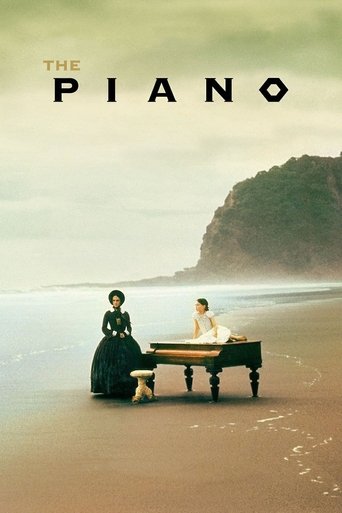 The Piano
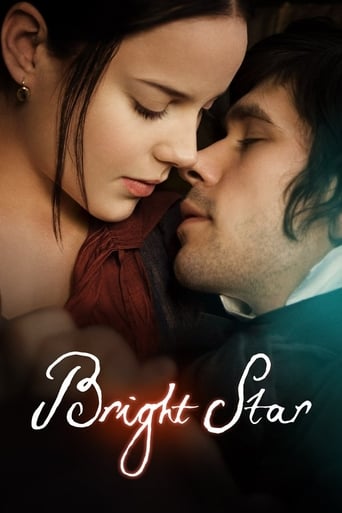 Bright Star
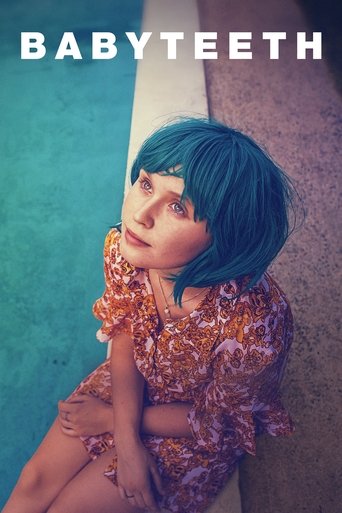 Babyteeth
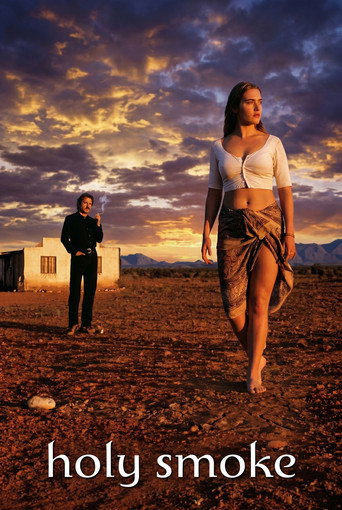 Holy Smoke
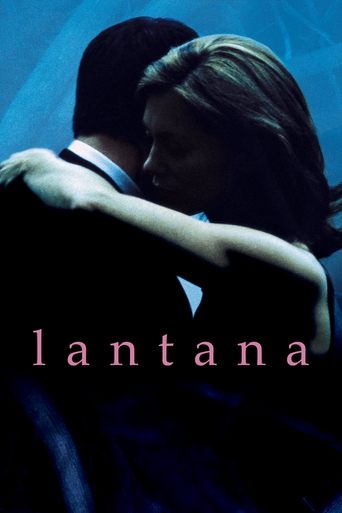 Lantana
 The Daughter
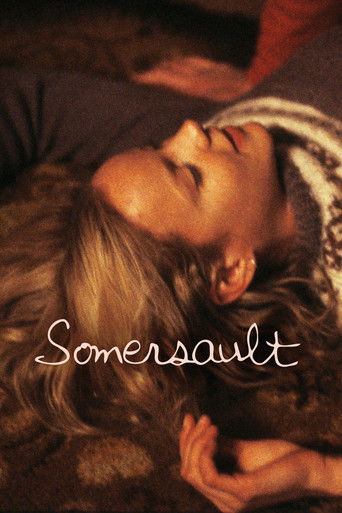 Somersault
 Griff the Invisible
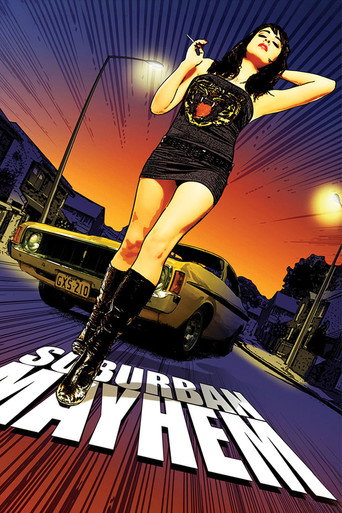 Suburban Mayhem
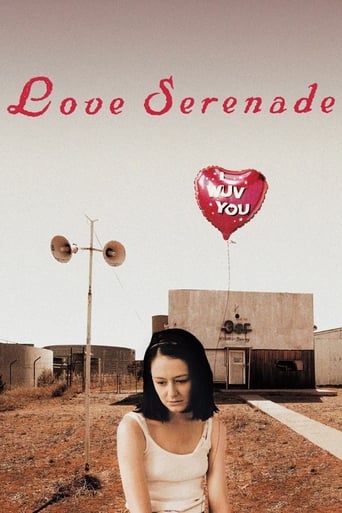 Love Serenade
 Two Friends
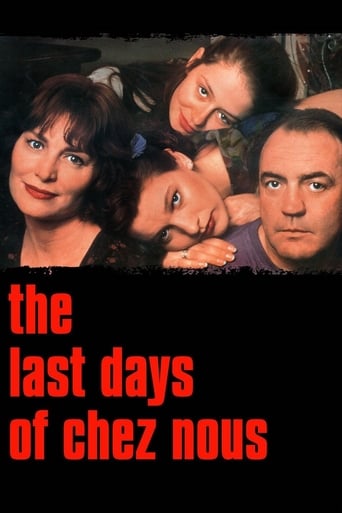 The Last Days of Chez Nous
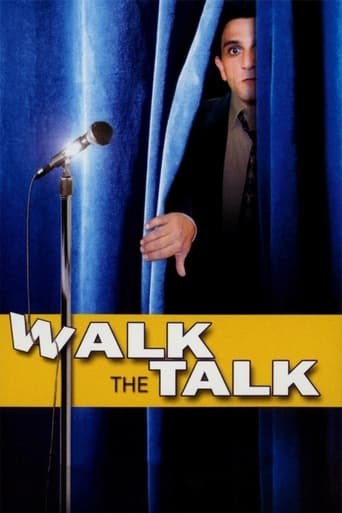 Walk the Talk
 The Nature of Lantana
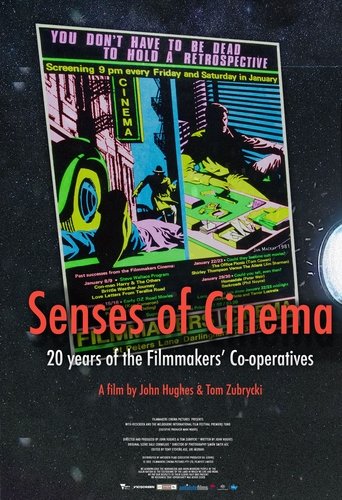 Senses of Cinema
 Cinefile: Reel Women
 Inside 'The Piano'
 'The Piano': 25 Years On
 Renegades: Fragments from a Diary of Three Years' Experience 1970-1973
 Hope
Hope22 credits on file
Awards 1
In their orbit 1
Connected to Jan 6




About this person
Jan Chapman is an Australian film producer. Films produced by Chapman include The Last Days of Chez Nous (1992), The Piano (1993), Love Serenade (1996), Holy Smoke! (1999), and Lantana (2001). While studying English and Fine Arts at Sydney University in the late 1960s Chapman began working on small, independent films, as part of the nascent Sydney Filmmakers Co-op, which included her first husband, film director Phillip Noyce. After the Film Co-op moved into its premises in Darlinghurst, she was involved for a time with the Sydney Women's Film Group while working in the Education department of the Australian Broadcasting Corporation (ABC). Subsequently as a producer at the ABC she was responsible for a number of TV series including Sweet and Sour, and with Sandra Levy produced the much acclaimed Come In Spinner.
 Australia
Fame.am measures public visibility signals. It does not measure human value, talent, morality, or credibility.