Hans Eysenck
British psychologist (1916-1997) · United Kingdom · Academics · Died at 81
Hans Eysenck is read about 228 times a day, in 53 languages.
A typical day, 30 days to 20 October 2026
The middle day of the days counted, so one week of news cannot move it. The line under it is the last 395 days, one point a day.
Something wrong?A psychologist who became the most-cited living figure in his field, then had dozens of his papers retracted after his death when inquiries found data incompatible with clinical science and suspected manipulation in his work linking personality to disease.
A life in dates
Also in Deutsch
Photos 7
.jpg?width=1200)


In their own words 7
 ,
, I always felt that a scientist owes the world only one thing, and that is the truth as he sees it. If the truth contradicts deeply held beliefs, that is too bad.
There thus appears to be an inverse correlation between recovery and psychotherapy; the more psychotherapy, the smaller the recovery rate.
Scientists, especially when they leave the particular field in which they have specialized, are just as ordinary, pigheaded and unreasonable as anybody else.
Awards
Family
Parents
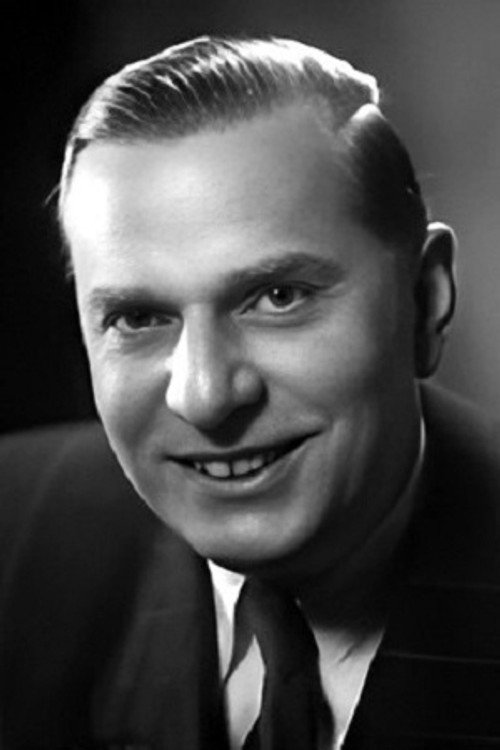
 Hans Eysenck
Partners

Is this everyone?
Only relatives with a profile here are drawn, so a family can be larger than this. A line here can also be wrong.
Correct this familyAbout this person
Born in Germany in 1916, Eysenck moved to Britain and built a career studying intelligence and personality that made him the most frequently cited living psychologist in peer-reviewed literature by the time of his death in 1997. His work ranged across psychology but drew controversy for claims that personality types elevated cancer and heart disease risk, and for research on IQ and race published starting in 1971. After his death, scholars identified errors and suspected data manipulation in his studies, with large replications failing to confirm his purported findings. A King's College London inquiry found 26 papers he coauthored with Ronald Grossarth-Maticek "incompatible with modern clinical science." Fourteen papers were retracted in 2020, and over 60 statements of concern were issued by journals, with some arguing 87 of his publications warrant retraction.
Academics from the United Kingdom 6


Fame.am measures public visibility signals. It does not measure human value, talent, morality, or credibility.