Georges Méliès is read about 1,201 times a day, in 75 languages.
A typical day, 30 days to 15 October 2026
The middle day of the days counted, so one week of news cannot move it. The line under it is the last 390 days, one point a day.
Something wrong?He sent a rocket into the moon's eye in 1902, and cinema was never the same. A magician-turned-filmmaker who discovered that editing film was its own kind of conjuring trick.
A life in dates
 The Conquest of the PoleFilm, Director, Writer1909
 The Diabolic TenantFilm, Director, Writer1907
 The Eclipse: Courtship of the Sun and MoonFilm, Director1906
 The Merry Frolics of SatanFilm, Director, Writer1905
 The Black ImpFilm, Director, Producer1904
 The Impossible VoyageFilm, Director, Writer1902
 A Trip to the MoonFilm, Director, Writer1901
 BluebeardFilm, Director, Writer1900
 Going to Bed Under DifficultiesFilm, Director1899
 An Up-to-Date ConjurerFilm, Director1898
 Divers at Work on the Wreck of the "Maine"Film, Director1897
 After the BallFilm, Director1896
 A NightmareFilm, Director, Producer1861Born8 December 1861
Also in Deutsch
Photos 8


Filmography 40
 TVThe Extraordinary VoyageTPThe Conquest of the PoleTTThe Diabolic TenantTMThe Eclipse: Courtship of the Sun and MoonTSThe Merry Frolics of Satan
 TWThe WitchTIThe Black Imp
 TCThe Living Playing CardsTVThe Impossible Voyage
 TMThe Mermaid
 TFThe Kingdom of the Fairies
 TCThe Infernal Cauldron
 TMThe Melomaniac
 TMThe Monster
 TWThe Infernal Cake-WalkAMA Trip to the Moon
 GGGulliver's Travels Among the Lilliputians and the Giants
 THThe Man with the Rubber HeadBLBluebeard
 TDThe Astronomer's Dream
 TBThe One-Man Band
 JAJoan of Arc
 TMThe Fat and Lean Wrestling MatchGDGoing to Bed Under Difficulties
 CICinderella
 TCThe Devil in a Convent
 TFThe Pillar of FireACAn Up-to-Date Conjurer
 THThe Four Troublesome HeadsDMDivers at Work on the Wreck of the "Maine"
 TAThe Temptation of St. Anthony
 TMThe MagicianABAfter the Ball
 LHLe château hanté
 TIThe Bewitched Inn
 LDLe manoir du diable
 TLThe Vanishing LadyANA Nightmare
 ANA Terrible Night
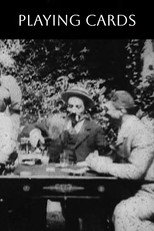 PCPlaying Cards
615 credits on file
Television 1
Awards
Family


Is this everyone?
Only relatives with a profile here are drawn, so a family can be larger than this. A line here can also be wrong.
Correct this familyAbout this person
Marie-Georges-Jean Méliès was born on 8 December 1861 in France. He began as a magician and toymaker before turning to film, where he realized the camera could create illusions no stage could match. He built a new language for fantasy and science fiction by inventing techniques that became cinema's foundation: substitution splices, multiple exposures, dissolves, time-lapse, hand-painted color. He was among the first to use storyboards. His "trick films" made him a pioneer, with A Trip to the Moon in 1902 and The Impossible Voyage in 1904 standing as his landmark works. He died on 21 January 1938, decades after showing the world that film was magic you could engineer frame by frame.


Fame.am measures public visibility signals. It does not measure human value, talent, morality, or credibility.