Dmitri Shostakovich is read about 3,182 times a day, in 85 languages.
A typical day, 30 days to 15 October 2026
The middle day of the days counted, so one week of news cannot move it. The line under it is the last 390 days, one point a day.
Something wrong?He wrote under Stalin's gaze, balancing symphonies that could be read as triumph or quiet subversion. Each premiere was a test: would the state hear allegiance or dissent?
A life in dates
Also in Deutsch
Photos 8
 Dmitri Shostakovich credit Deutsche Fotothek adjusted
 RIAN archive 478141 Mstislav Rostropovich, Dmitry Shostakovich and Svyatoslav Richter
 Dmitry Shostakovich 1940
 Dmitry Shostakovich on premiere of 7th Symphony
 Documents of Vadim Borisovsky 02
 Expromt by Dmitry Shostakovich
 Glan with composers in Leningrad 1957
.jpg?width=1200) Komsomolskaya-Pravda-77-1942-04-05-all (page 1 crop)
Komsomolskaya-Pravda-77-1942-04-05-all (page 1 crop)In their own words 10
 ,
, You ask if I would have been different without "Party guidance"? Yes, almost certainly.
The real geniuses know where their writing has to be good and where they can get away with some mediocrity.
Real music is always revolutionary, for it cements the ranks of the people; it arouses them and leads them onward.
Listen
SpotifyAlbums 23
 SRShostakovich: Symphony no. 5 / Rachmaninoff: Fantasy for Orchestra "The Rock"
Awards
Family
Dmitri ShostakovichPartners
Children

Is this everyone?
Only relatives with a profile here are drawn, so a family can be larger than this. A line here can also be wrong.
Correct this familyAbout this person
Shostakovich arrived at 19 with his First Symphony in 1926, instantly marking him as a major composer in the young Soviet Union. His 1934 opera Lady Macbeth of Mtsensk succeeded until the government condemned it, putting his career in jeopardy. The Zhdanov Doctrine denounced his work again in 1948, bringing professional consequences that lasted years, though his censure was rescinded in 1956. He held seats in the Supreme Soviet and chaired the RSFSR Union of Composers, earning Orders of Lenin, even as state interventions shadowed performances like his Thirteenth Symphony in 1962. He left 15 symphonies, 15 string quartets, three operas, concerti, and scores for film - music marked by sharp contrasts, the grotesque, and ambivalent tonality, shaped by neoclassicism and Mahler. The argument over what his music meant, and whether it resisted or served the state, outlived him.
In common with Dmitri
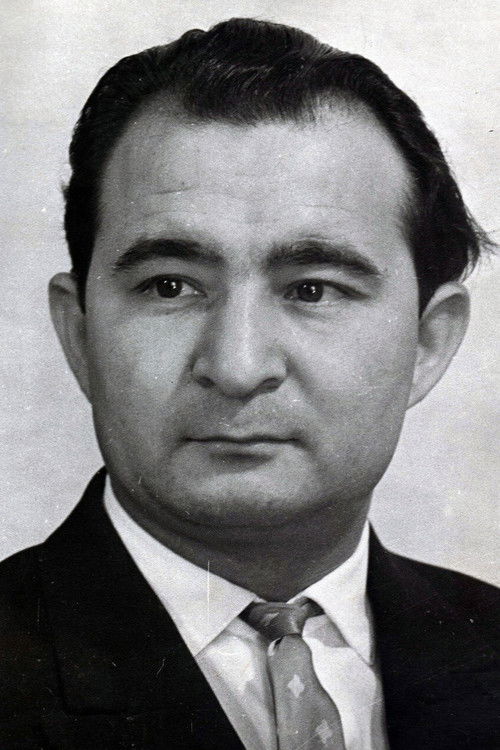 Latif FayziyevAlso in Sons of the Fatherland (1969)
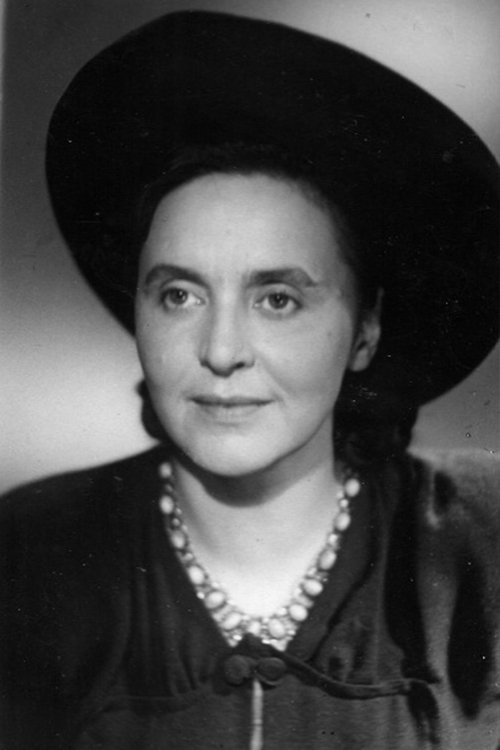 Vera StroyevaAlso in Khovanshchina (1959)
 Igor StravinskyBoth received Wihuri Sibelius Prize
 Leonard BernsteinBoth received Royal Philharmonic Society Gold Medal
 Arturo ToscaniniBoth received Royal Philharmonic Society Gold Medal
 Jean SibeliusBoth received Wihuri Sibelius Prize
Fame.am measures public visibility signals. It does not measure human value, talent, morality, or credibility.