David Gilmour
English musician, member of Pink Floyd (born 1946) · United Kingdom · Musicians
David Gilmour is read about 4,151 times a day, in 66 languages.
A typical day, 30 days to 15 October 2026
The middle day of the days counted, so one week of news cannot move it. The line under it is the last 390 days, one point a day.
Something wrong?The guitarist who inherited Pink Floyd mid-flight in 1967 and steered it through Syd Barrett's exit into decades of stadium grandeur - then kept the name alive after Roger Waters walked out, releasing three more albums under his own command.
A life in dates
 Luck and StrangeAlbum2015
 Rattle That LockAlbum2010
 Metallic SpheresAlbum2006
 On an IslandAlbum2005“It's crazy that America gives such a paltry percentage of its GNP to the starving nations.”In their wordsJune 2005Comment regarding the Pink Floyd reunion concert to protest G8 policies, as quoted in The Scotsman (June 2005)2003“I've been in The Who, I've been in The Beatles and I've been in Pink Floyd! Top that!”In their wordsMay 2003Record Collector (May 2003)1992“He had developed his own limited, or very simple style.”In their wordsSeptember 1992On Roger Waters, as quoted in Rock Compact Disc (September 1992)1984
 About FaceAlbum1983“My technique is laughable at times. I have developed a style of my own, I suppose, which creeps around … I don't have to have too much technique for it.”In their wordsMay 1983As quoted in Sounds : Guitar Heroes (May 1983)1982“Syd's story is a sad story romanticised by people who don't know anything about it. They've made it fashionable but it's just not that way.”In their wordsDecember 1982As quoted in Musician (December 1982)1978
 David GilmourAlbum1972“You find your eyes are growing moist. All the fears never voiced say you have to make your final choice.”In their words"Childhood's End", on Obscured by Clouds (1972)1946Born6 March 1946
Also in Deutsch
Photos 8
 DGilmour-Royal Albert Hall, Oct 2015
 CAREFULL WITH THAT AXE EUGENE (6090433507)
 David Gilmour and stratocaster
 David Gilmour's old Hiwatt (12230969124)
 Expo Pink Floyd - David Gilmour Lap Steel
 Expo Pink Floyd - David gilmour stratocaster
 Expo Pink Floyd - David Gilmour's old effect pedal
 Expo Pink Floyd - gilmour effects rack
In their own words 9
 ,
It's crazy that America gives such a paltry percentage of its GNP to the starving nations.
I've been in The Who, I've been in The Beatles and I've been in Pink Floyd! Top that!
Usually, in the studio, on this sort of thing ...
Listen
SpotifyOn YouTube
1.4M subscribersAlbums 6
 LSLuck and Strange
 RLRattle That Lock
 OIOn an Island
 DGDavid Gilmour
Awards
Family
Parents
David GilmourPartners

Children
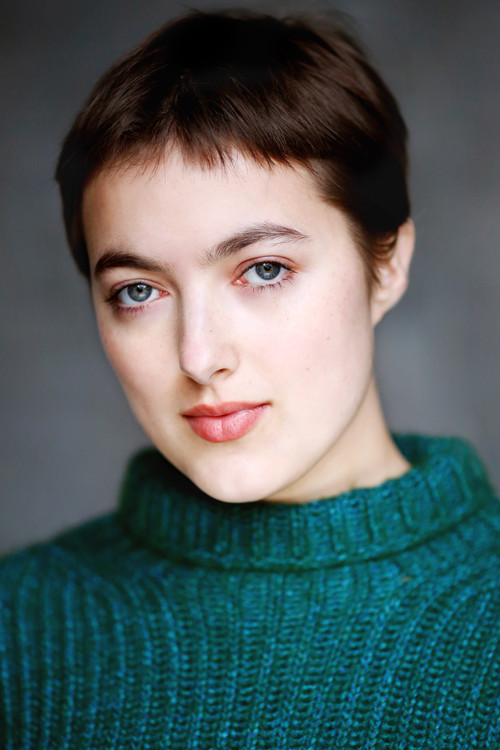
Is this everyone?
Only relatives with a profile here are drawn, so a family can be larger than this. A line here can also be wrong.
Correct this familyAbout this person
David Jon Gilmour was born 6 March 1946 and joined Pink Floyd in 1967, shortly before founding member Syd Barrett departed. By the early 1980s the band had become one of the highest-selling and most acclaimed acts in music history. When Roger Waters left in 1985, Gilmour took the helm and released A Momentary Lapse of Reason (1987), The Division Bell (1994), and The Endless River (2014). He's put out five solo studio albums across five decades - David Gilmour (1978), About Face (1984), On an Island (2006), Rattle That Lock (2015), Luck and Strange (2024) - and notched three solo number-ones on the UK chart, six with the band. He produced two Dream Academy albums, paid for Kate Bush's early recordings and helped her land a deal. Rolling Stone ranked him the 28th-greatest guitarist in 2023.
In common with David
 Roger WatersAlso in Pink Floyd: Live at Pompeii (1972)
 Richard WrightAlso in Pink Floyd: Live at Pompeii (1972)
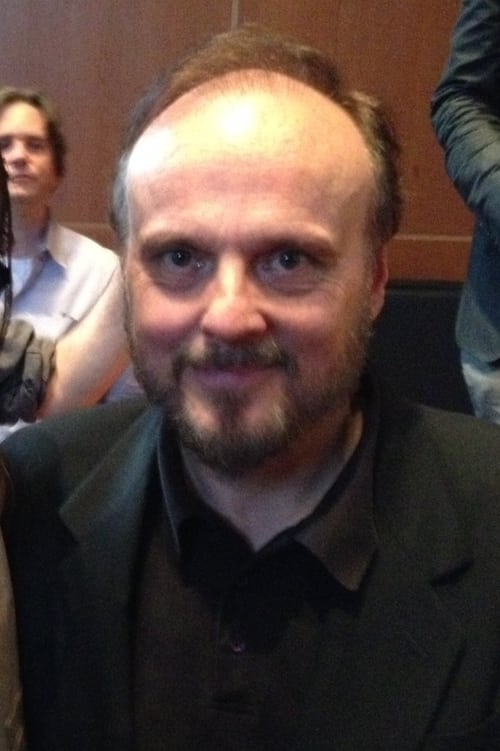 James GuthrieAlso in Pink Floyd: Pulse (1995)
 Nick MasonAlso in Pink Floyd: Live at Pompeii (1972)
 David MalletAlso in Pink Floyd: Pulse (1995)
 Adrian MabenAlso in Pink Floyd: Live at Pompeii (1972)
Fame.am measures public visibility signals. It does not measure human value, talent, morality, or credibility.