Ashoka
Mauryan emperor from 268 to 232 BCE · India · Historical Figures · Lived 304 BC to 232 BC · aged 72
Ashoka is read about 2,230 times a day, in 163 languages.
A typical day, 30 days to 15 October 2026
The middle day of the days counted, so one week of news cannot move it. The line under it is the last 390 days, one point a day.
Something wrong?An ancient Indian emperor whose name was nearly lost to history until the 19th century, when scholars cracked the Brahmi script and discovered his stone edicts scattered across the subcontinent - revealing a ruler who turned from conquest to Buddhism after a single bloody war.
Also in Deutsch
Photos 8
 Ashoka's visit to the Ramagrama stupa Sanchi Stupa 1 Southern gateway
 015 Asoka Inscription, Kanaganahalli
 179 King Asokas Kalinga War
 188 King Asoka Sees the Dead on the Battlefield
 189 King Asoka Conquers by Dharma
 190 The Third Council Convened by King Asoka
 191 Asoka Sends Out Missionaries
 192 King Asoka Gives the Bodhi Sapling to Sanghamitra
In their own words 10
 ,
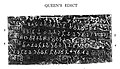
, Beloved-of-the-Gods, King Piyadasi, has caused this Dhamma edict to be written. Here (in my domain) no living beings are to be slaughtered or offered in sacrifice.
To do good is difficult. One who does good first does something hard to do.
Beloved-of-the-Gods, King Piyadasi, desires that all religions should reside everywhere, for all of them desire self-control and purity of heart.
Family
Parents


Children


Is this everyone?
Only relatives with a profile here are drawn, so a family can be larger than this. A line here can also be wrong.
Correct this familyAbout this person
Ashoka ruled the Mauryan Empire from around 268 BCE, the third in his dynasty, commanding territory that stretched from present-day Afghanistan to Bangladesh with his capital at Pataliputra. In his eighth regnal year, around 260 BCE, he conquered Kalinga in a brutal campaign - then something shifted. His edicts, carved in stone, show him turning toward "dhamma," righteous conduct, and gradually embracing Buddhism. He became a patron of the faith, founding stupas, backing missionaries, supporting the Third Buddhist council, and funding the sangha. For centuries his existence faded into legend, a half-remembered name, until 19th-century scholars decoded the Brahmi inscriptions and pulled him back into view. Today the Lion Capital from one of his pillars is the emblem of the Republic of India, and his wheel sits at the centre of the national flag.
Historical Figures from India 6


Fame.am measures public visibility signals. It does not measure human value, talent, morality, or credibility.