Anna Pavlova is read about 982 times a day, in 80 languages.
A typical day, 30 days to 22 October 2026
The middle day of the days counted, so one week of news cannot move it. The line under it is the last 397 days, one point a day.
Something wrong?She made ballet a global phenomenon by taking it everywhere - South America, India, Mexico, Australia - at a time when most dancers never left Europe. The Dying Swan was hers first, and remains the role every ballerina since has measured herself against.
A life in dates
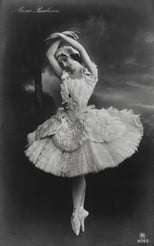 The Dying SwanFilm, The Swan1924Anna PavlovaFilm1916
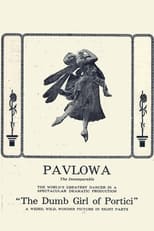 The Dumb Girl of PorticiFilm, Fenella1882Born12 February 1882
Also in Deutsch
Photos 8


Filmography 6
 TDThat's Dancing!
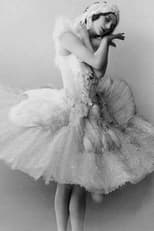 TSThe Immortal SwanTSThe Dying SwanTPThe Dumb Girl of Portici
7 credits on file
Television 1
 OMOmnibus
Awards
In their orbit
About this person
Anna Matveyevna Pavlova was born in 1881 in Russia and rose to principal artist at the Imperial Russian Ballet, then joined Sergei Diaghilev's Ballets Russes. She created the role of The Dying Swan, a solo that became ballet's most iconic distillation of grace and mortality. But she didn't stay put: she formed her own company and became the first ballerina to tour the world, performing across continents that had never seen classical ballet. She brought the art to South America, India, Mexico, Australia - places where dancers of her caliber simply didn't go. She died in 1931, having turned ballet from a European court tradition into something the whole world knew.





Fame.am measures public visibility signals. It does not measure human value, talent, morality, or credibility.