


What kind of moment: History, Election
1919 German federal election: Social Democratic Party of Germany largest, no majority
- When
- 19 January 1919
- Where
- Germany
- Voter turnout
- 37.3% of eligible population
Germans voted on 19 January 1919 to elect representatives who would draft a new constitution after the Kaiser's abdication and the empire's collapse. The election took place amid revolutionary fervor and street violence, with women voting in a German national election for the first time. The result would shape the Weimar Republic and determine Germany's political direction for the next decade.
This election established the first democratic parliament in German history and produced a constituent assembly that created the Weimar Constitution. The result legitimized a fragile republic built on the ruins of empire, though deep fractures between left and right - evident in the voting itself - would haunt German democracy through the 1920s and beyond.
In numbers
- Voter turnout
- 37.3% of eligible population
- Seats in assembly
- 421
- Largest party
- SPD (German Social Democratic Party) with 163 seats
The result
Seats, change and vote share as the results table of 1919 German federal election gives them. No readers here: daily readers are counted from 2015 on.
- Social Democratic Party of GermanyFriedrich Ebert &, Philipp Scheidemann37.9%165 seats


How it unfolded
Kaiser Wilhelm II abdicates
Armistice signed
Germany signs armistice agreement ending World War I, effective that day. Demobilization begins amid economic collapse and political upheaval.
Congress of Councils convenes
Revolutionary councils meet in Berlin to decide on electoral system for constituent assembly. Decision made for proportional representation, a democratic choice that would fragment parliament.
German Federal Election held
Nationwide voting for constituent assembly takes place amid ongoing street violence. Women participate in a German national election for the first time. SPD wins largest share but without majority.
National Assembly convenes in Weimar
Elected representatives meet in Weimar theater rather than Berlin due to ongoing revolutionary unrest. Assembly begins drafting new constitution.
Weimar Constitution ratified
Assembly approves new constitution establishing democratic republic with proportional representation, federal structure, and strong presidency. Document reflects both liberal ideals and practical compromises with right-wing forces.
- What followed
1919: Weimar Constitution ratified
- What followed
1919: Treaty of Versailles signed
- What followed
1923: Hyperinflation crisis begins
Where it sits in their lives
 Philipp Scheidemann1865 to 193953
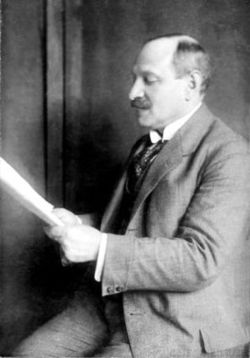 Hugo Haase1863 to 191955
 Arthur von Posadowsky-Wehner1845 to 193273
 Friedrich von Payer1847 to 193171
- Their age at this moment