
What kind of moment: History, Insurgency
Warsaw Uprising
- When
- 1 August to 2 October 1944
- Where
- Warsaw, Poland
- Outcome
- German victory; Surrender of Warsaw Home Army (see capitulation agreement)
On August 1, 1944, the Polish Home Army launched an armed uprising to liberate Warsaw from Nazi occupation, betting that Soviet forces advancing from the east would arrive in time to help. The gamble failed catastrophically: the Soviets halted their advance, leaving the insurgents isolated. By October, after 63 days of street-by-street fighting, the uprising was crushed-and Warsaw itself was systematically destroyed.
In numbers
- Estimated deaths
- Approximately 200,000 (mostly civilians)
- Percentage of Warsaw destroyed
- Approximately 85% of the city
Where it sits in their lives
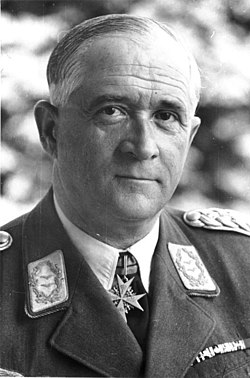 Robert Ritter von Greim1892 to 194552
 Erich von dem Bach-Zelewski1899 to 197245
 Tadeusz Bór-Komorowski1895 to 196649
 Bronislav Kaminski1899 to 194445
- Their age at this moment
How it unfolded
Uprising begins
Home Army launches coordinated attacks across Warsaw at 5 PM, seizing key positions and expecting Soviet support within days.
German reinforcements arrive
General von dem Bach-Zelewski consolidates Nazi forces and launches systematic counteroffensive with tanks, artillery, and Luftwaffe support.
Soviet halt
Red Army forces stop their advance on the eastern bank of the Vistula River. Stalin's decision to withhold support becomes clear.
Airdrops begin
British and American aircraft begin attempting to deliver supplies to insurgents, with limited success and heavy losses.
Uprising ends
Bór-Komorowski signs surrender agreement. German forces systematically destroy remaining buildings and deport survivors.
- What followed
1944: Systematic destruction of Warsaw
- What followed
1945: Soviet occupation and Communist rule
- What followed
1950: Postwar reconstruction and national symbol


Who took part


More about this insurgency
Leaders
Tadeusz Bór-Komorowski (Polish Underground State, Polish Underground State Home Army Poland Polish Army in the East +4 more), Tadeusz Pełczyński, Antoni Chruściel, Karol Ziemski, Edward Pfeiffer, Leopold Okulicki
Walter Model (Nazi Germany, Nazi Germany General Government), Nikolaus von Vormann, Rainer Stahel, Erich von dem Bach-Zelewski, Heinz Reinefarth, Bronislav Kaminski