
What kind of moment: History, Revolution
July Revolution in France
- When
- 26 to 29 July 1830
- Where
- Paris, Kingdom of France
- Outcome
- Abdication of Charles X; End of the Bourbon Restoration; Formation of the July Monarchy under Louis Philippe I
In July 1830, Parisians built barricades and took to the streets after King Charles X tried to seize more power through a series of decrees that gutted the electorate and press freedom. Within three days of fighting, Charles X fled France, ending a decade-long attempt to restore absolute monarchy. The revolution installed his cousin Louis-Philippe as a constitutional monarch, reshaping French politics for the next 18 years.
The July Revolution of 1830 toppled King Charles X and swept away the restored Bourbon order, replacing it with a constitutional monarchy under Louis-Philippe. It proved that popular uprising could reshape European governance, emboldening liberal movements across the continent for decades and shattering the post-Napoleonic settlement of 1815.
Where it sits in their lives
 Charles X of France1757 to 183672
 Adolphe Thiers1797 to 187733
 Gilbert du Motier, Marquis de Lafayette1757 to 183472
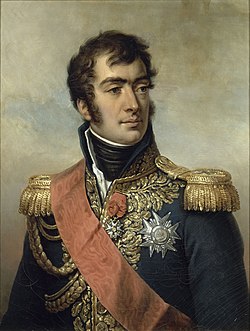 Auguste de Marmont1774 to 185256
- Their age at this moment
How it unfolded
Charles X assumes throne
Charles, brother of Louis XVIII, becomes king and immediately signals a more absolutist approach, alarming liberals and constitutionalists.
Chamber of Deputies elected, liberals gain seats
Elections strengthen anti-Charles forces in parliament, limiting his legislative power.
Barricades erected in Paris
Fighting peaks; royal forces collapse
Army control of Paris disintegrates. Marmont withdraws; the barricades hold. Charles X recognizes his position is untenable.
Louis-Philippe proclaimed king
The Chamber of Deputies offers the crown to Louis-Philippe, Duke of Orléans, who accepts as a constitutional, not absolute, monarch.
Constitutional Charter adopted
Louis-Philippe's government establishes a revised constitutional framework, reinforcing parliamentary authority and limiting royal prerogative.
- What followed
1830: Louis-Philippe becomes King
- What followed
1830: Belgium gains independence
- What followed
1848: Rise of republican and socialist ideologies


Who took part


More about this revolution
Leaders
Adolphe Thiers (Revolutionaries, Liberals +3 more), Jacques Laffitte, Marquis de La Fayette
Charles X of France (Kingdom of France, Royal Guard +3 more), Prince Jules de Polignac, 3rd Duke of Polignac, Auguste de Marmont
Before and after, with the same people
- French invasion of Algeria
 FranceSee the moment ›
- July Revolution in France
 France, Thiers, LafayetteThis moment