
What kind of moment: History, Revolution
Industrial Revolution begins
- When
- 1760
- Where
- United Kingdom
Around 1760, Great Britain began shifting from hand production to machine manufacturing, first in textiles, then spreading to iron, coal, and transportation. Powered by steam engines, water mills, and new technologies, factories replaced cottage workshops and dramatically increased what workers could produce. This transformation reshaped where people lived, how they worked, and eventually the entire global economy.
The Industrial Revolution broke the economic ceiling that had constrained human societies for millennia. By substituting machine power for human and animal labor, it created sustained productivity growth, displaced millions of artisans, concentrated wealth in new ways, and set the template for modern industrial capitalism that persists today.
In numbers
- Factory growth
- Cotton mills in Lancashire increased from ~100 in 1770 to ~1,000+ by 1800
- Coal consumption
- British coal production grew from ~6 million tons in 1770 to ~16 million tons by 1830
- Export impact
- British cotton textile exports increased 600% between 1780 and 1850
Where it sits in their lives
 James Watt1736 to 181924
 Richard Arkwright1732 to 179228
 Matthew Boulton1728 to 180932
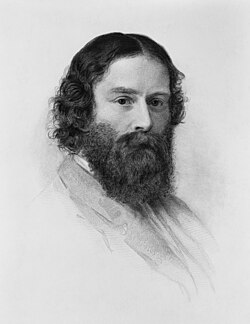 James Hargreaves1720 to 177840
- Their age at this moment
- Their other moments in history
How it unfolded
Coke-smelted iron
Abraham Darby I develops a method to smelt iron with coke instead of charcoal, enabling cheaper, higher-volume iron production in Shropshire.
Industrial Revolution begins
Acceleration of machine-based manufacturing in Britain, particularly in textiles, driven by capital availability, coal access, and colonial cotton supplies.
Spinning Jenny
James Hargreaves invents the spinning jenny, allowing one worker to spin multiple threads simultaneously and dramatically increasing yarn production.
Steam engine improvement
James Watt patents his improved steam engine with separate condenser, making steam power practical and economical for factory use beyond just pumping water from mines.
Water frame patent
Richard Arkwright patents the water frame, a mechanized spinning machine, and opens the first large factory in Nottinghamshire, establishing the factory system model.
Global technology spread
Industrial technologies have spread to continental Europe and northern United States; Britain maintains competitive edge but no longer holds monopoly on manufacturing innovation.
- What followed
1770: Rise of the urban working class
- What followed
1780: Child labor systematization
- What followed
1790: Epidemic disease and public health crisis
More about this revolution
Before and after, with the same people
- Industrial Revolution begins

 Watt, Arkwright, BoultonThis moment
- Spinning Jenny patent Granted
 HargreavesSee the moment ›
- James Watt's Steam EngineWattSee the moment ›