
What kind of moment: History, Battle
Battle of the Boyne
- When
- 1 July 1690 O.S.
- Where
- Oldbridge, County Meath, Kingdom of Ireland
- Outcome
- Williamite victory
On July 12, 1690, Protestant King William III defeated Catholic King James II at the River Boyne in Ireland, securing William's claim to the English, Scottish, and Irish thrones. The battle lasted a single day but determined the religious and political character of Ireland for centuries, establishing Protestant dominance and triggering the final collapse of James's bid to reclaim power.
The Boyne cemented Protestant ascendancy in Ireland and resolved the succession crisis that had destabilized Britain since James II's 1688 deposition. It marked the effective end of Catholic political power on the island and set the template for sectarian division that would persist into modern times.
In numbers
- Battle Duration
- Approximately 3 hours of major fighting
Where it sits in their lives
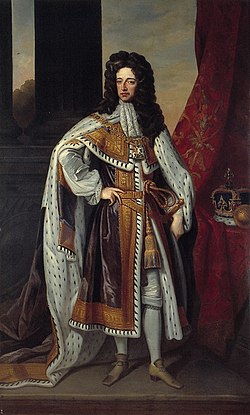 William III of England1650 to 170239
 James II of England1633 to 170156
 James FitzJames, 1st Duke of Berwick1670 to 173419
 Frederick Schomberg, 1st Duke of Schomberg1615 to 169074
- Their age at this moment
How it unfolded
James II Deposed
King James II flees England during the Glorious Revolution; William and Mary offered the English throne.
William and Mary Crowned
James II Lands in Ireland
The deposed king arrives in Dublin with French support, assembling forces to reclaim his throne.
Battle of the Boyne
William's forces cross the River Boyne and defeat James II's army in a three-hour engagement. James's left flank collapses; he retreats toward Dublin.
James Abandons Ireland
James II leaves Dublin for France, effectively ending his military campaign to reclaim the British thrones.
Treaty of Limerick Signed
Jacobite forces under Patrick Sarsfield surrender; the treaty ends major combat but imposes restrictive terms on Irish Catholics.
- What followed
1691: Treaty of Limerick
- What followed
1691: Protestant Ascendancy establishment
- What followed
1695: Penal Laws enforcement

Battle of the Boyne


Who took part
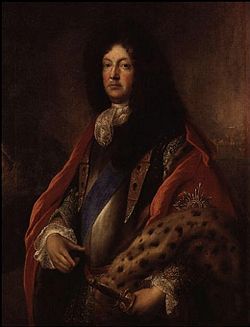


More about this battle
Commanders
William III of England (Williamites, Dutch Republic), Frederick Schomberg, 1st Duke of Schomberg, Godert de Ginkell, 1st Earl of Athlone, Hendrik Trajectinus, Count of Solms, Ferdinand Willem, Duke of Wurttemberg-Neuenstadt
James II of England (Jacobites, Kingdom of France), Richard Talbot, 1st Earl of Tyrconnell, Antoine Nompar de Caumont, James FitzJames, 1st Duke of Berwick