W. H. Auden
British-American poet (1907-1973) · United Kingdom · Writers · Died at 66
W. H. Auden is read about 996 times a day, in 67 languages.
A typical day, 30 days to 15 October 2026
The middle day of the days counted, so one week of news cannot move it. The line under it is the last 390 days, one point a day.
Something wrong?A poet whose single stanza - "Stop all the clocks" - became the English language's default script for grief, Auden built a half-century career toggling between the personal and the political, the devotional and the mordantly funny, never settling into one mode long enough to be pinned down.
A life in dates
Also in Deutsch
Photos 8


In their own words 10
 ,
A poet is, before anything else, a person who is passionately in love with language.
Every day America's destroyed and re-created, / America is what you do, / America is I and you, / America is what you choose to make it.
This is the Night Mail crossing the Border, / Bringing the cheque and the postal order, Letters for the rich, letters for the poor, / The shop at the corner, the girl next door.
Awards
Family
Parents
W. H. AudenPartners

Brothers and sisters
Is this everyone?
Only relatives with a profile here are drawn, so a family can be larger than this. A line here can also be wrong.
Correct this familyAbout this person
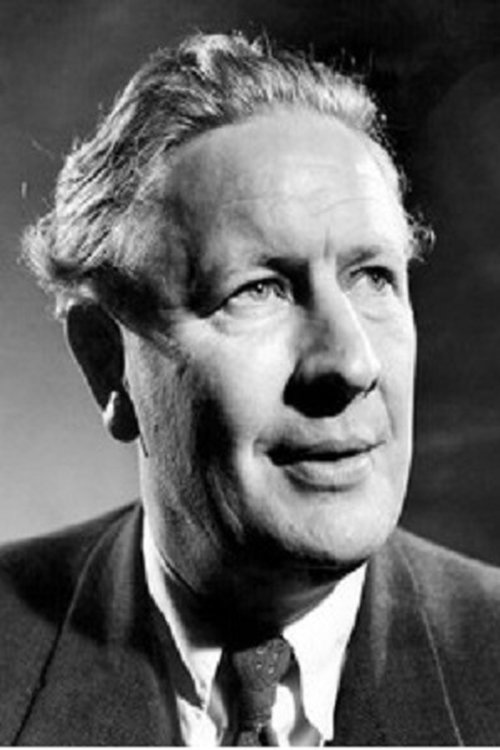
Wystan Hugh Auden was born in York in 1907, grew up near Birmingham, and caught public attention in 1930 with his first book, Poems. Through the 1930s he wrote left-wing political plays with Christopher Isherwood, earning a reputation he later fled by moving to the United States in 1939. The shift marked a turn inward: his 1940s work explored religious themes in long poems like "For the Time Being", and his 1947 book The Age of Anxiety won the Pulitzer and gave the era its diagnostic phrase. He became an American citizen in 1946 while keeping his British passport, taught intermittently at universities, and served as Oxford's Professor of Poetry from 1956 to 1961. He died in 1973; decades later, films and broadcasts carried his lines - especially "Funeral Blues" - to millions who'd never read a poetry book.



Fame.am measures public visibility signals. It does not measure human value, talent, morality, or credibility.