
Steve Reeves
✓ Source-basedstableAmerican bodybuilder and actor (1926-2000)
Stephen Lester Reeves was an American professional bodybuilder and actor. He was famous in the mid-1950s as a movie star in Italian-made sword-and-sandal films, playing muscular protagonists such as Hercules, Aeneas, and Sandokan. At the peak of his career, he was the highest-paid actor in Europe.
Text from Wikipedia, CC BY-SA 4.0
Also inDeutsch
Photos 4


Filmography 24
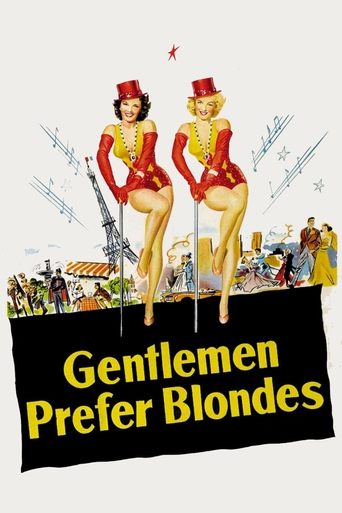 Gentlemen Prefer Blondes
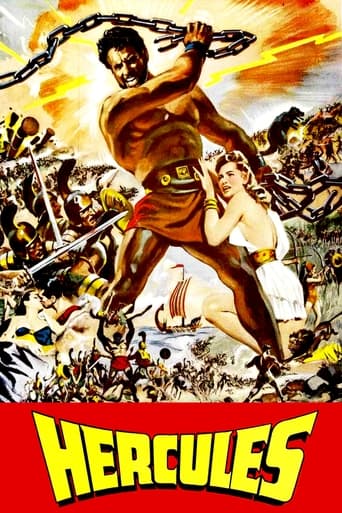 Hercules
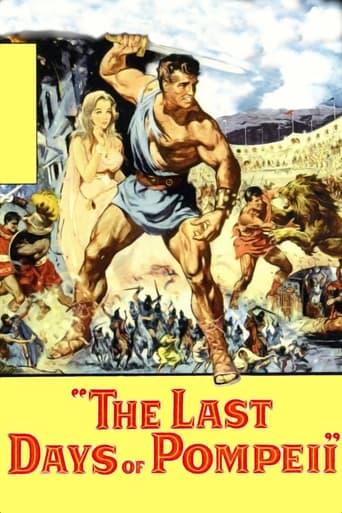 The Last Days of Pompeii
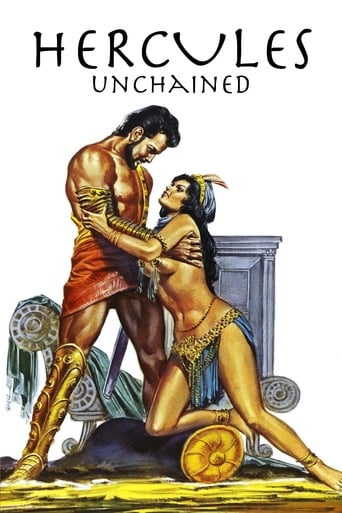 Hercules Unchained
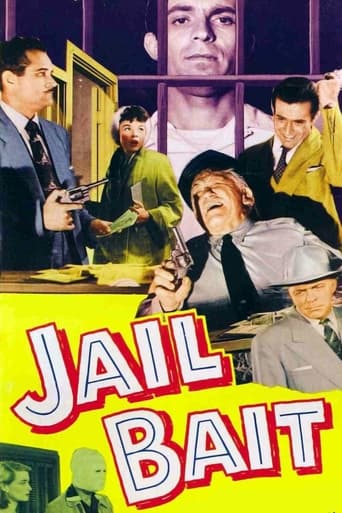 Jail Bait
 Romulus and Remus
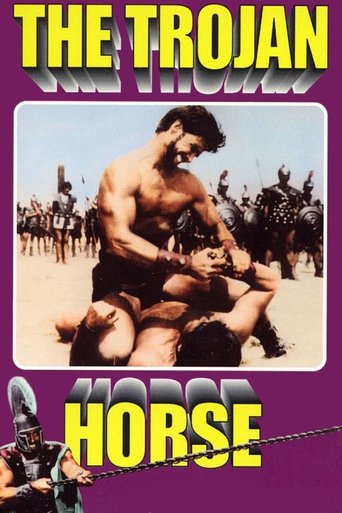 The Trojan Horse
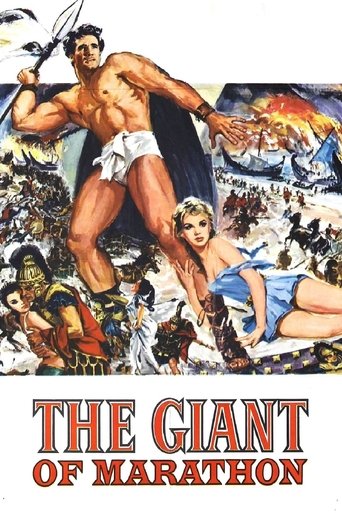 The Giant of Marathon
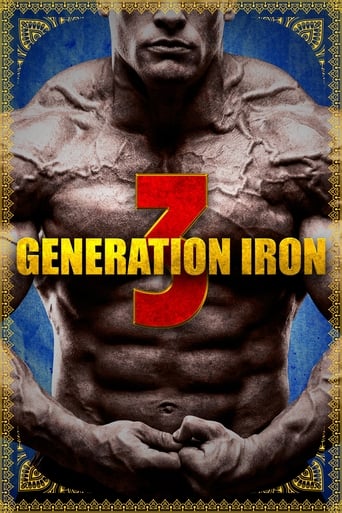 Generation Iron 3
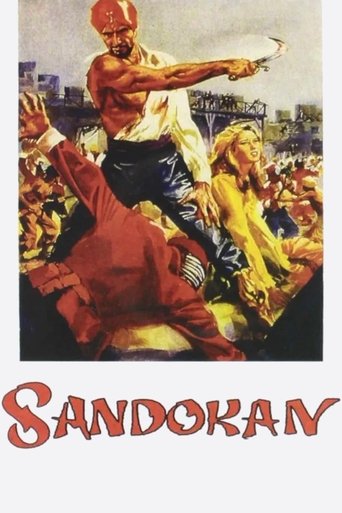 Sandokan the Great
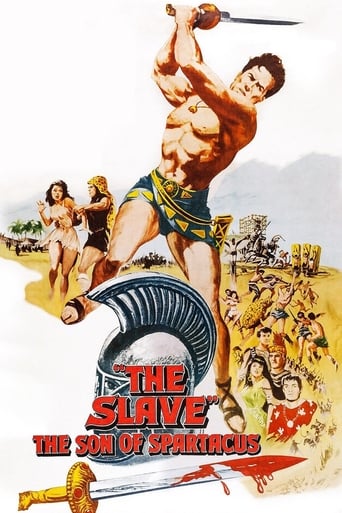 The Slave
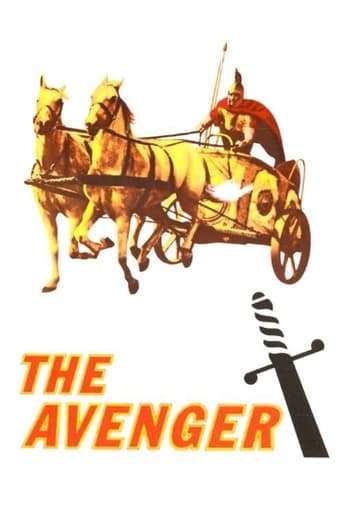 The Avenger
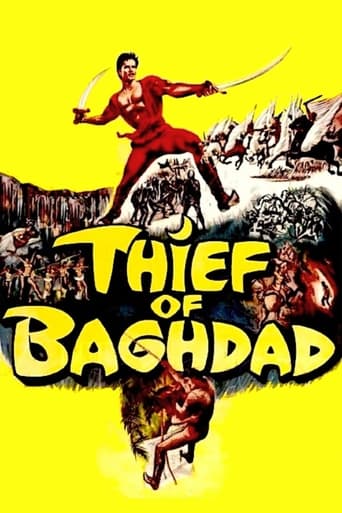 The Thief of Baghdad
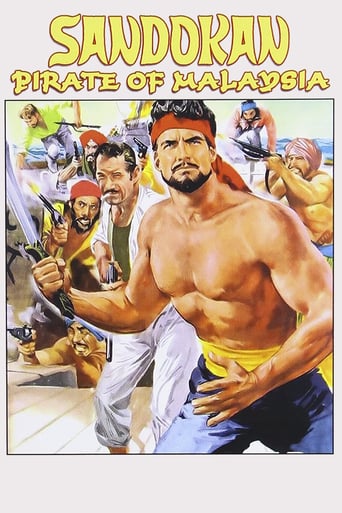 The Pirates of Malaysia
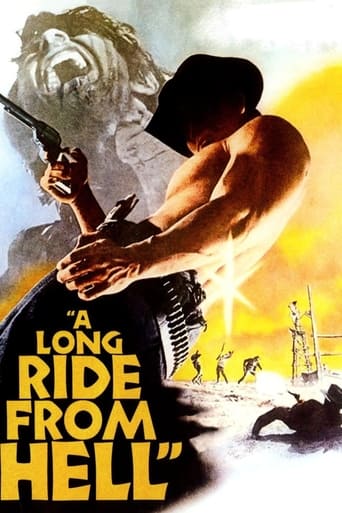 A Long Ride from Hell
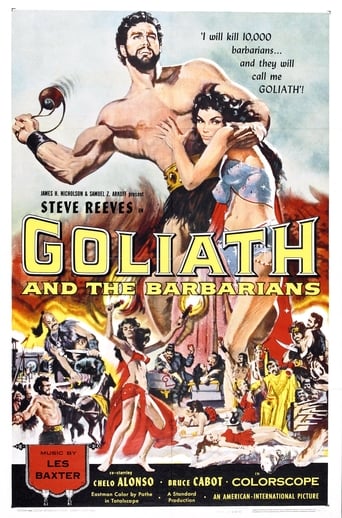 Goliath and the Barbarians
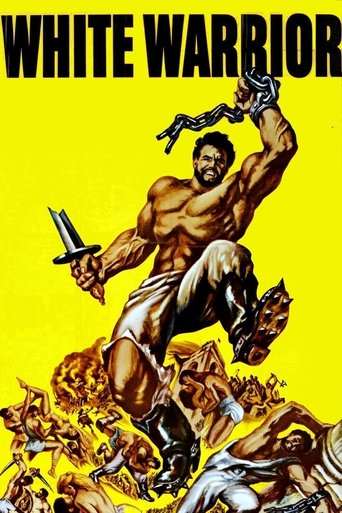 The White Warrior
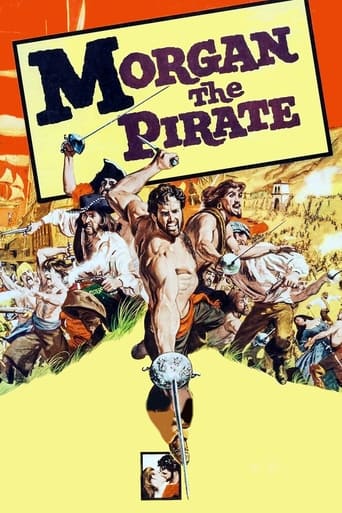 Morgan, the Pirate
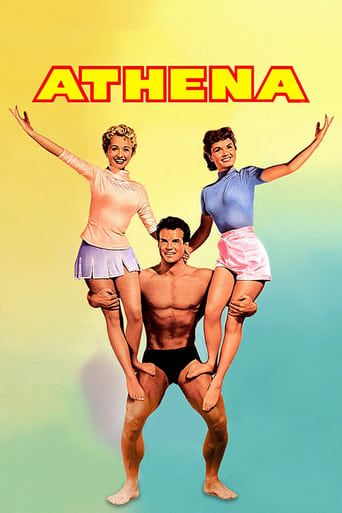 Athena
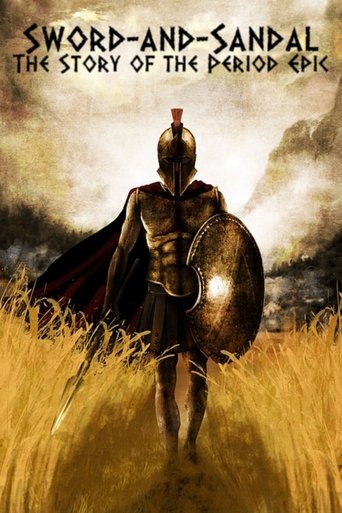 Sword-and-Sandal: The Story of the Period Epic
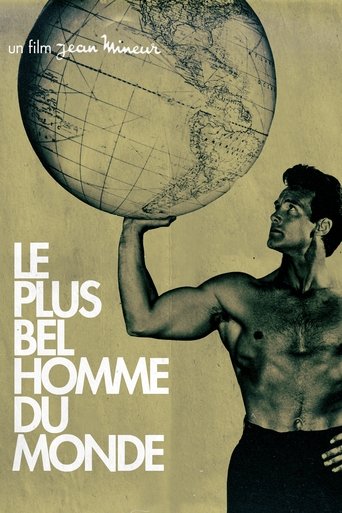 Le Plus Bel Homme du monde
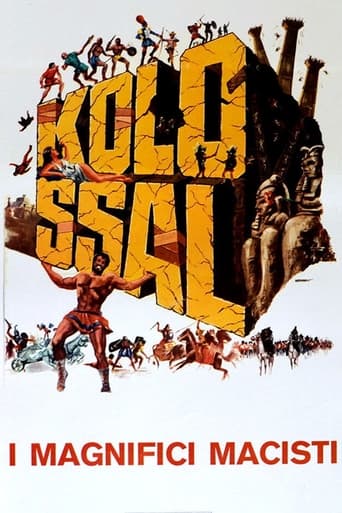 Kolossal - The Magnificent Macisti
 Riviera Dream
27 credits on file
Television 2
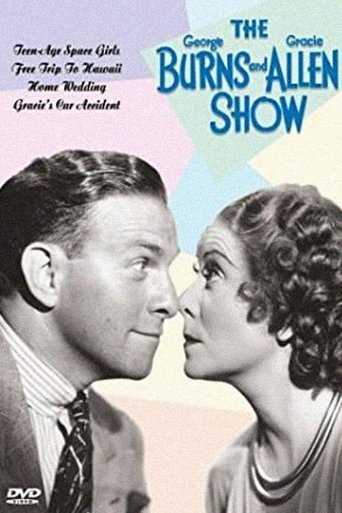 The George Burns and Gracie Allen Show
Connected to Steve 6


About this person
Stephen Lester Reeves was an American professional bodybuilder and actor. He was famous in the mid-1950s as a movie star in Italian-made sword-and-sandal films, playing muscular protagonists such as Hercules, Aeneas, and Sandokan. At the peak of his career, he was the highest-paid actor in Europe. Though best known for his portrayal of Hercules, he played the character only twice: in Hercules (1958), and in its 1959 sequel Hercules Unchained. By 1960, Reeves was ranked as the number-one box-office draw in 25 countries.
Text from Wikipedia, CC BY-SA 4.0
 United States
Fame.am measures public visibility signals. It does not measure human value, talent, morality, or credibility.