Stepan Bandera
Ukrainian nationalist leader (1909-1959) · Politicians · Died at 50
Read more often than usual, most of all on 15 October.
3.8 times the usual readers on 15 October. 12,971 readers on 15 October, against about 3,441 a day before the rise.
A Ukrainian far-right leader who declared independence in Nazi-occupied Lviv, was imprisoned by both Germans and Poles, and ended up killed by the KGB in Munich - yet the real fight over Stepan Bandera started decades after his death, when modern Ukraine tried to decide whether he was a liberation martyr or a fascist collaborator.
A life in dates
Also in Deutsch
Photos 8


.jpg?width=1200)


In their own words 9
 ,
, The ideological and political work of each political factor must be direct and immediate.
Faith strengthens the forces of the soul the most.
In every ideological or political movement, the two most important components play an important role: the idea and the person.
Awards
Family
Parents
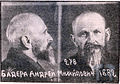
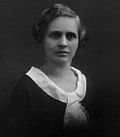 Stepan Bandera
Partners


Brothers and sisters

Is this everyone?
Only relatives with a profile here are drawn, so a family can be larger than this. A line here can also be wrong.
Correct this familyAbout this person
Born in 1909 into a priest's family in Austrian Galicia, Bandera joined militant nationalist groups as a teenager and rose fast: head of OUN propaganda by 1931, architect of a Polish minister's assassination by 1934, sentenced to death and then to life. Freed when Poland fell in 1939, he led the radical OUN-B faction and, on the first day of Germany's invasion of the Soviet Union in June 1941, declared a Ukrainian state in Lviv that pledged collaboration with the Nazis. The Germans arrested him for it anyway, holding him in Sachsenhausen until 1944, when they released him to fight the Soviets. He spent his last years in West Germany, where a KGB agent poisoned him on a Munich street in 1959. In 2010, Ukraine's president named him a national hero; the decision was annulled, then reignited after Russia's 2022 invasion made his name a weapon in both countries' historical wars.
Politicians born in the 1900s 6


Fame.am measures public visibility signals. It does not measure human value, talent, morality, or credibility.