Ravi Shankar
Indian sitar player (1920-2012) · India · On the map · Musicians · Died at 92
He made the sitar a sound the West could recognize - not by watering it down, but by playing it so well that George Harrison sat at his feet and orchestras rewrote their notation. For a generation that thought India meant incense and vague exoticism, Ravi Shankar was the first to show them the architecture.
Ravi Shankar is read about 1,960 times a day, in 91 languages.
A typical day, 30 days to 6 November 2026
The middle day of the days counted, so one week of news cannot move it. The line under it is the last 400 days, one point a day.
Something wrong?A life in dates
 Jimi Hendrix 6 moreTook part1967Grammy Award for Best Chamber Music PerformanceAwardPadma BhushanAward1962Sangeet Natak Akademi AwardAward1920Born7 April 1920
People around Ravi
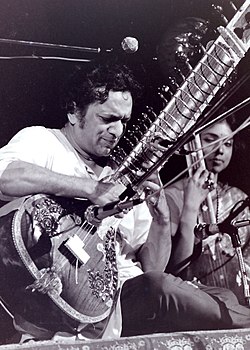
 George Harrison Produced Ravi Shankar's Music Festival from India (1976)
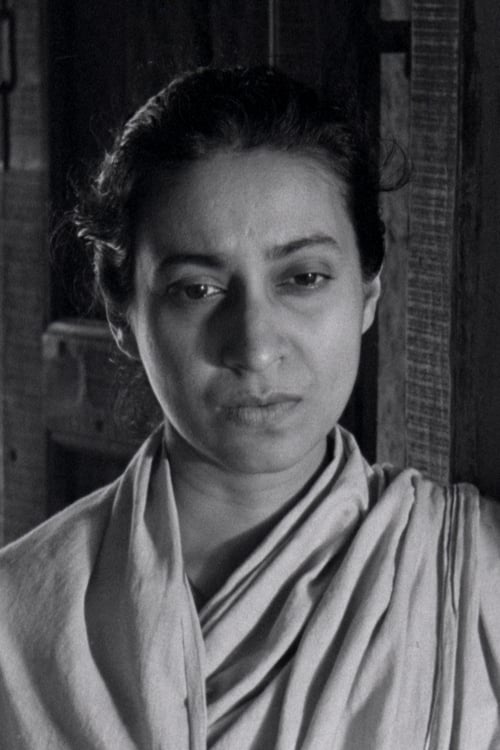 Karuna Banerjee Ravi wrote Pather Panchali and Aparajito
 Kanu Banerjee Ravi wrote Pather Panchali and Aparajito
 John Gielgud Ravi wrote Gandhi and Alice in Wonderland
 Om Puri Ravi wrote Gandhi and Genesis
 Balraj Sahni Ravi wrote Anuradha and Dharti Ke Lal
 George Avakian Produced The Sounds of India (1968)
 Shriram Lagoo Ravi wrote Gandhi and Meera
 Prabhu Ganesan Ravi produced Periya Kudumbam (1995)
- Chhabi Biswas Ravi wrote Parash Pathar and Kabuliwala
 Conrad Rooks Produced Chappaqua (1966)
 Manoj Bharathiraja Ravi directed Varushamellam Vasantham (2002)
 Ravi Shankar
Partners

Children


Is this everyone?
Only relatives with a profile here are drawn, so a family can be larger than this. A line here can also be wrong.
Correct this familyAlso in Deutsch
Media & music
Listen
Spotify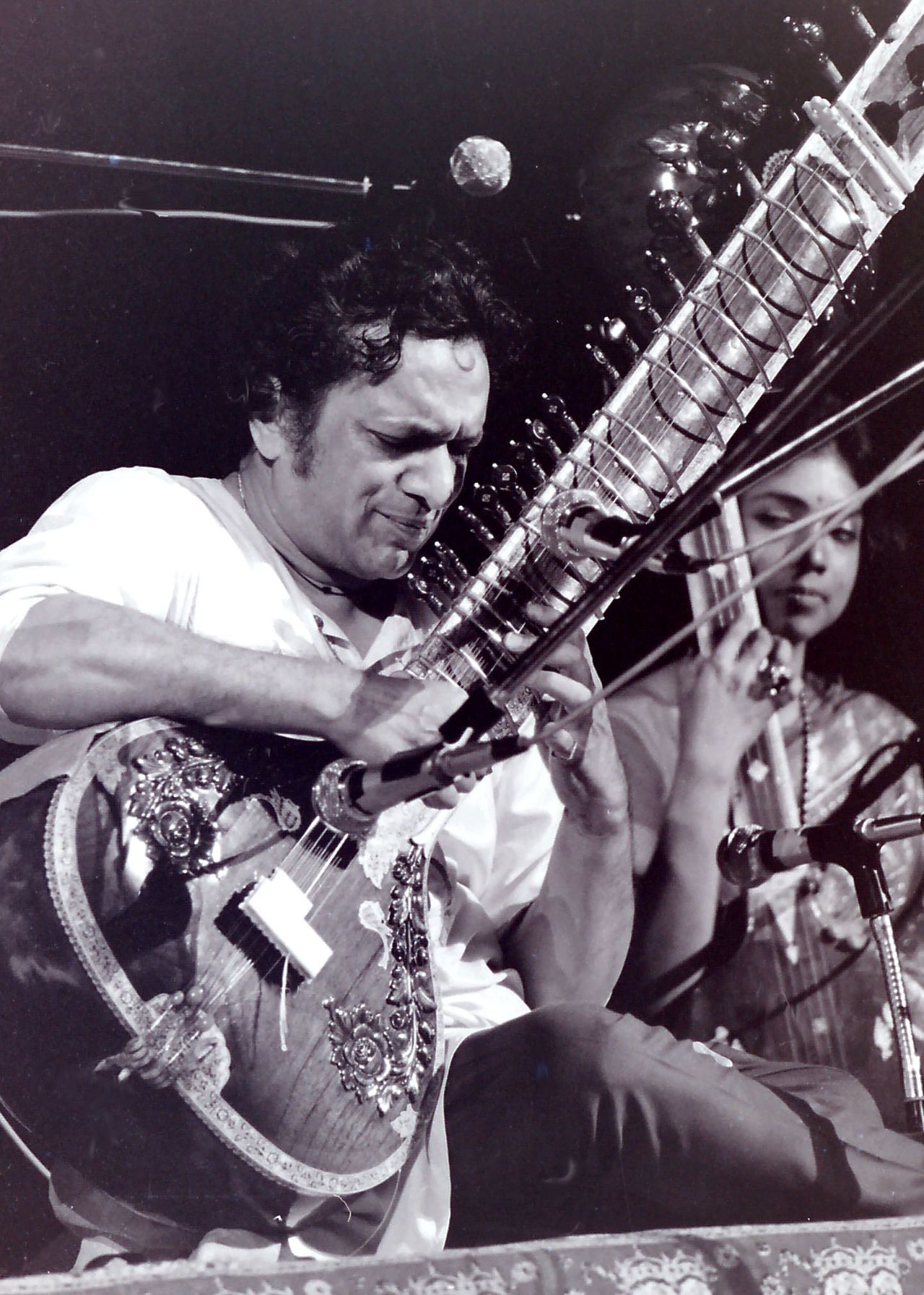


Awards
About this person
Born Robindro Shaunkor Chowdhury in 1920, he spent his youth as a dancer in his brother Uday's troupe, touring Europe and India until he was 18. Then he stopped, turned to music, and studied sitar under court musician Allauddin Khan for seven years - an apprenticeship that left him technically untouchable. After 1944 he composed for Satyajit Ray's Apu Trilogy and ran All India Radio's music programming in New Delhi until 1956, when he began touring Europe and America in earnest. The 1960s opened him to the West through Yehudi Menuhin and George Harrison, whose sitar lines on Beatles records bent pop music's grammar. Shankar kept performing and writing for orchestra into his eighties, served in India's Rajya Sabha from 1986 to 1992, won four Grammys (including Album of the Year for The Concert for Bangladesh), and received the Bharat Ratna in 1999. He died in December 2012, father to Norah Jones and sitarist Anoushka Shankar.


