Pran is read about 565 times a day, in 90 languages.
A typical day, 30 days to 20 October 2026
The middle day of the days counted, so one week of news cannot move it. The line under it is the last 395 days, one point a day.
Something wrong?He made villainy so convincing that Indian parents stopped naming their children Pran. For three decades, Hindi cinema's most electric screen menace - the man who defined what evil looked like before anyone else tried.
A life in dates
 Tere Mere SapneFilm, Shambunath Mehta1994
 1942: A Love StoryFilm, Abid Ali Baig1989
 JaadugarFilm1985
 YudhFilm, Deputy Commissioner Saxena1983
 Andhaa KaanoonFilm, Anthony D'Cruz1980
 DostanaFilm, Tony1977
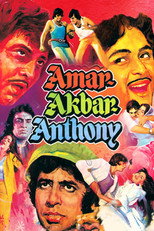 Amar Akbar AnthonyFilm, Kishanlal1974
 MajboorFilm, Michael D'Souza1972
 ParichayFilm, Col. A P Roy / Rai Sahab1970
 Johny Mera NaamFilm, Moti/Mohan1967
 Ram Aur ShyamFilm, Gajendra1964
 Kashmir Ki KaliFilm, Mohan1958
 MadhumatiFilm, Raja Ugra Narayan1955
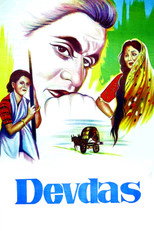 DevdasFilm1920Born12 February 1920
Also in Deutsch
Photos 8
 Pran 90th bday
 Chhagan Bhujbal and Pran at the Dada Saheb Phalke Academy Awards, 2010
 Johny Mera Naam scene
 Manish Tewari presenting the Dadasaheb Phalke Award for Lifetime Achievement to Veteran Actor Pran Kishan Sikand (Pran), in Mumbai on May 10, 2013
 Manish Tewari presenting the Dadasaheb Phalke Award for Lifetime Achievement to Veteran Actor Pran Kishan Sikand (Pran), in Mumbai. The Secretary, Ministry of Information & Broadcasting, Shri Uday Kumar Verma is also seen (cropped)
 Manish Tewari presenting the Dadasaheb Phalke Award for Lifetime Achievement to Veteran Actor Pran Kishan Sikand (Pran), in Mumbai. The Secretary, Ministry of Information & Broadcasting, Shri Uday Kumar Verma is also seen
 Pran (cropped)
 Pran 90th bday (cropped)
Filmography 40
TSTere Mere Sapne SMSaajan Ki Baahon MeinAS1942: A Love Story
 SBSanam Bewafa
 TOToofan
 NINigahen: Nagina Part IIJAJaadugar
 SHShahenshahYUYudh
 SHSharaabi
 SMSohni Mahiwal
 JAJagir
 DUDuniya
 LALailaAKAndhaa Kaanoon
 NANastik
 EHEk Jaan Hain Hum
 NANaseeb
 KAKaalia
 KAKarzDODostana
 DODonAAAmar Akbar Anthony
 DVDharam VeerMAMajboor
 ZAZanjeer
 BOBobbyPAParichay
 GUGuddi
 PPPurab Aur Pachhim
 KKKab? Kyoon? Aur Kahan?JNJohny Mera Naam
 BRBrahmachariRSRam Aur Shyam
 GUGumnaamKKKashmir Ki Kali
 JHJis Desh Mein Ganga Behti HaiMAMadhumati
 JRJagte RahoDEDevdas
233 credits on file
Awards
Family
 Pran
Partners

Is this everyone?
Only relatives with a profile here are drawn, so a family can be larger than this. A line here can also be wrong.
Correct this familyAbout this person
Pran Krishan Sikand started as a leading man in the early 1940s, but the shift to negative roles in 1942 unlocked something fiercer. By the late 1940s through the 1970s, his villains became the first true personification of evil on Indian screens - portrayals so intense that his given name fell out of use among newborns. He worked steadily across more than 362 films, anchoring hits like Madhumati (1958), Zanjeer (1973), and Amar Akbar Anthony (1977), winning three Filmfare Awards for supporting work and easing into character roles from the late 1960s onward. The honours piled up late: Padma Bhushan in 2001, "Villain of the Millennium" in 2000, a spot on CNN's top 25 Asian actors ever, and in 2013 - months before his death at 93 after a long illness - the Dadasaheb Phalke Award, Indian cinema's highest recognition.


Fame.am measures public visibility signals. It does not measure human value, talent, morality, or credibility.