
Matilda Johanna Clerk was a medical pioneer and a science educator on the Gold Coast and later in Ghana as well as the second Ghanaian woman to become an orthodox medicine-trained physician.
Photos 1

Doctors born in the 1910s 6



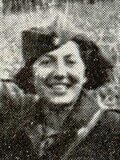

About this person
Matilda Johanna Clerk was a medical pioneer and a science educator on the Gold Coast and later in Ghana as well as the second Ghanaian woman to become an orthodox medicine-trained physician. The first woman in Ghana and West Africa to attend graduate school and earn a postgraduate diploma, Clerk was also the first Ghanaian woman in any field to be awarded an academic merit scholarship for university education abroad. M. J. Clerk was the fifth West African woman to become a physician after Nigerian women, Agnes Yewande Savage (1929), the first West African woman medical doctor and Elizabeth Abimbola Awoliyi (1938); Irene Ighodaro (1944), the first Sierra Leonean female physician and Susan Ofori-Atta (1947), Ghana's first woman physician. These pioneering physicians were all early advocates of maternal health, paediatric care and public health in the sub-region. For a long time after independence in 1957, Clerk and Ofori-Atta were the only two women doctors in Ghana. By breaking the glass ceiling in medicine and other institutional barriers to healthcare delivery, they were an inspiration to a generation of post-colonial Ghanaian and West African female doctors at a time the field was still a male monopoly and when the vast majority of women worldwide had very limited access to biomedicine and higher education. Pundits in the male-dominated medical community in that era described Matilda J. Clerk as "the beacon of emancipation of Ghanaian womanhood."
Fame.am measures public visibility signals. It does not measure human value, talent, morality, or credibility.