Lucio D'Ambra
Italian journalist and film director (1880-1939) · Italy · On the map · Journalists · Died at 59
Lucio D'Ambra (1880-1939) was an Italian writer and film director. Born as Renato Manganella, he wrote under the pen name of D'Ambra becoming a celebrated journalist, novelist, and film critic. A noted film enthusiast, D'Ambra became involved in the cinema in 1911 when he anonymously wrote screenplays.
Lucio D'Ambra is read about 4 times a day, in 7 languages.
A typical day, 30 days to 16 June 2026
The middle day of the days counted, so one week of news cannot move it. The line under it is the last 60 days, one point a day.
Something wrong?People around Lucio
Close ties

 Soava Gallone Lucio produced Il bacio di Cirano (1919)
 Carmine Gallone Directed Nemesis and The Life of Giuseppe Verdi
 Ivo Illuminati Directed The King, the Rooks and the Bishops (1917)
Beniamino Gigli Lucio wrote Giuseppe Verdi (1938)
 Maria Cebotari Lucio wrote Giuseppe Verdi (1938)
 Augusto Genina Directed La signorina Ciclone (1916)
 Amleto Palermi Directed Carnevalesca (1918)
 Gennaro Righelli Directed La luce del mondo (1935)
 Gustavo Serena Lucio wrote Giuseppe Verdi (1938)
 Maria Jacobini Lucio wrote Giuseppe Verdi (1938)
 Camillo Pilotto Lucio wrote Giuseppe Verdi (1938)
 Fosco Giachetti Lucio wrote Giuseppe Verdi (1938)
 Gabriel Gabrio Lucio wrote Giuseppe Verdi (1938)
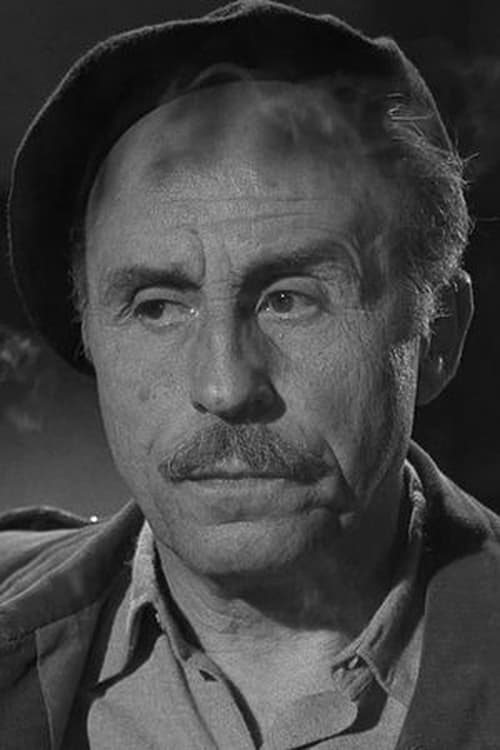 Carlo Duse Lucio wrote Giuseppe Verdi (1938)
 Cesco Baseggio Lucio wrote Giuseppe Verdi (1938)
 Febo Mari Lucio wrote Giuseppe Verdi (1938)
 Henri Rollan Lucio wrote Giuseppe Verdi (1938)
Also in Français
About this person
From 1916 he formally entered the film industry, setting up his own production company and directing more than twenty films. His silent comedies drew comparisons to the films of his German contemporary Ernst Lubitsch. In 1922 D'Ambra's company was absorbed into the conglomerate Unione Cinematografica Italiana and he retired from regular filmmaking although he occasionally produced further screenplays. In 1937 he published his memoirs, recounting his time working in Italy's early film industry.

