
Russian novelist whose 1859 work Oblomov gave the world a name for inertia itself - a character so perfectly paralyzed by indecision that he became shorthand for a national temperament, and a universal one.
Text from Wikipedia, CC BY-SA 4.0
Also inDeutsch
Photos 8


.jpg?width=1200)


In their own words 2
[Oblomov:] "Picture a thief or a fallen woman or a cheated fool, if you like, but do not forget the rest of mankind. What about humanity, pray?
"Oblomov", Part I Chapter II by I. Goncharov, translated by C. J. Hogarth
To this day the Russian, though surrounded by a stern, unimaginative world of reality, loves to believe the seductive tales of antiquity.
"Oblomov", Part I Chapter V by I. Goncharov, translated by C. J. Hogarth
Writers born in the 1810s 6


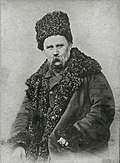
About this person
Born in 1812 into a wealthy merchant family in Simbirsk that had been elevated to nobility, Goncharov studied at Moscow State University before settling into government work in Saint Petersburg - translator by day, tutor and writer by night. His first novel, The Same Old Story, appeared in Sovremennik in 1847. Oblomov followed in 1859, published in Otechestvennye zapiski, and became the book that outlasted him. His third novel, The Precipice, came a decade later in Vestnik Evropy. He also worked as censor, critic, and - late in life - paranoid accuser: in a bitter memoir called An Uncommon Story, published decades after his 1891 death, he charged Ivan Turgenev and others with plagiarism and sabotage. Dostoevsky admired him; Chekhov called him "ten heads above me in talent."
Text from Wikipedia, CC BY-SA 4.0
Fame.am measures public visibility signals. It does not measure human value, talent, morality, or credibility.