
Joseph Robert Saddler, known by his stage name Grandmaster Flash, is a Barbadian-American DJ. He created a DJ technique called the Quick Mix Theory. This technique serviced the break-dancer and the rapper by elongating the drum breaks through the use of duplicate copies of vinyl.
Text from Wikipedia, CC BY-SA 4.0
Also inDeutsch
Photos 4


In their own words 3
Disco was brand new then and there were a few jocks that had monstrous sound systems but they wouldn't dare play this kind of music.
Quoted in Rap Attack 2 (1991) by David Toop, p. 62
Herc really slipped up. With the monostrous power he had he couldn't mix too well. He was playing little breaks but it would sound so sloppy.
Quoted in Rap Attack 2 (1991) by David Toop, p. 62
A scratch is nothing but the back-cueing that you hear in your ear before you push it out to the crowd.
Quoted in Rap Attack 2 (1991) by David Toop, p. 65
Listen
SpotifyAwards 1
Connected to Grandmaster 6
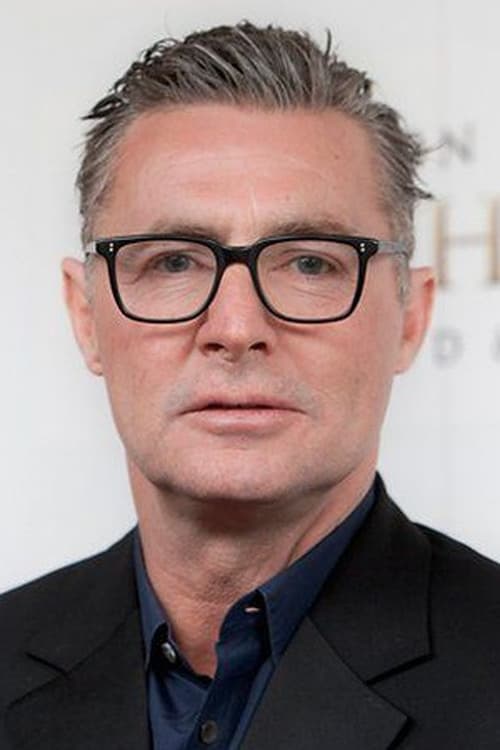



About this person
Joseph Robert Saddler, known by his stage name Grandmaster Flash, is a Barbadian-American DJ. He created a DJ technique called the Quick Mix Theory. This technique serviced the break-dancer and the rapper by elongating the drum breaks through the use of duplicate copies of vinyl. This technique gave birth to cutting and scratching. It also gave rappers better music with a seamless elongated bed of beats to speak on. He also invented the slipmat.
Text from Wikipedia, CC BY-SA 4.0
Fame.am measures public visibility signals. It does not measure human value, talent, morality, or credibility.