
Frédéric Rossif was a Yugoslav-born French film and television director who specialized primarily in documentaries, frequently using archive footage. He covered subjects including contemporary artists such as Pablo Picasso, African wildlife, and 20th century history.
Also inDeutsch
Photos 1

Filmography 21
 Royal Affairs in Versailles
 To Die in Madrid
 De Nuremberg à Nuremberg
 Portrait d'Orson Welles
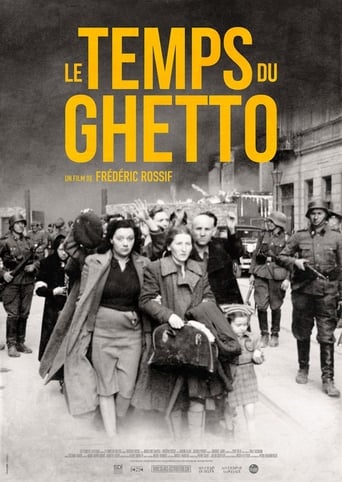 The Witnesses
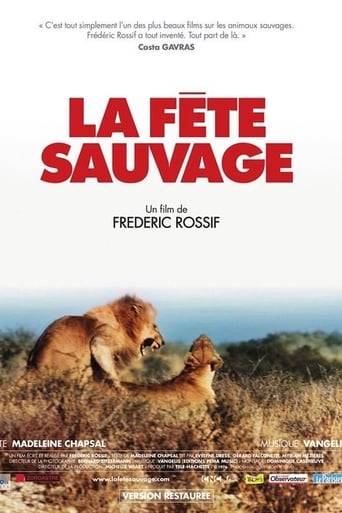 The Wild Nation
 Matisse
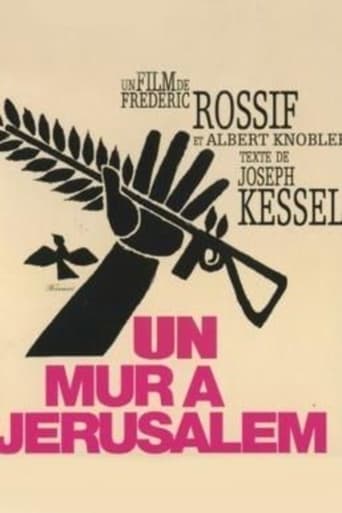 A Wall in Jerusalem
 October Revolution
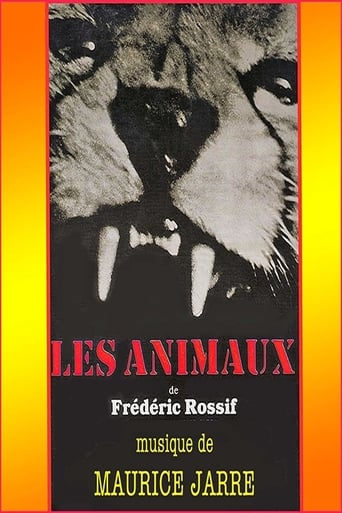 The Animals
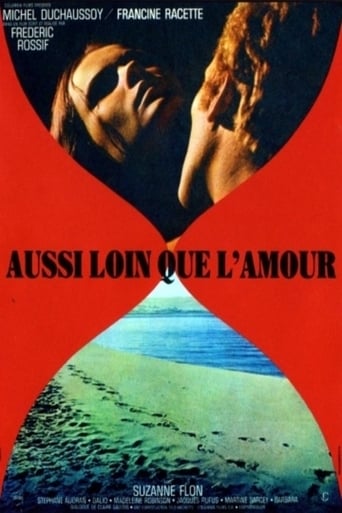 As Far as Love Can Go
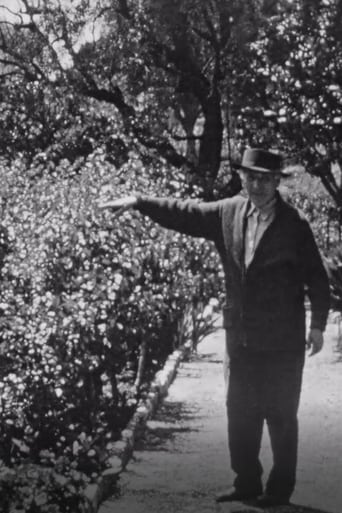 Chagall dans son jardin a Saint-Paul-de-Vence
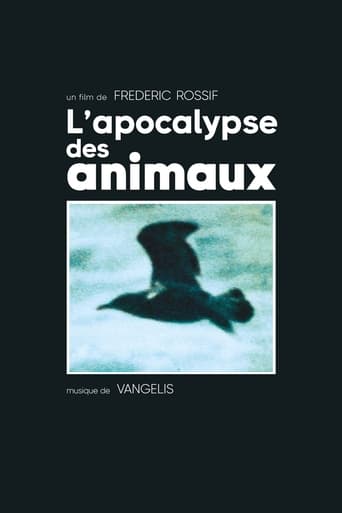 The Apocalypse of the Animals
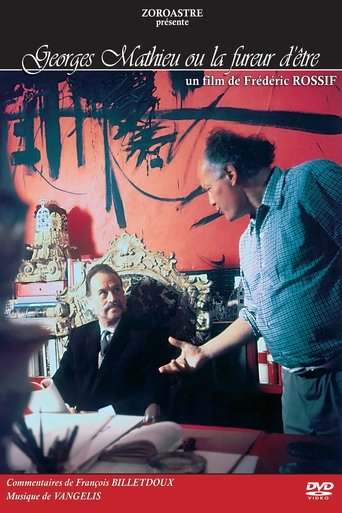 Georges Mathieu or the Fury of Being
 Pablo Picasso Painter
 Le cantique des créatures: Georges Braque ou Le temps différent
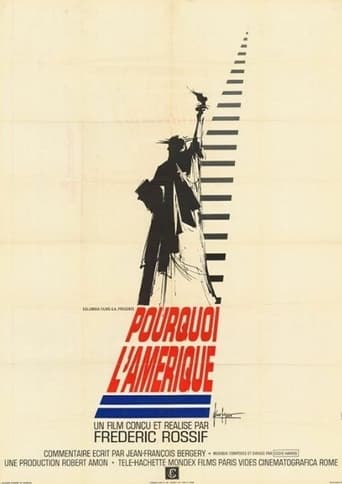 Why America
39 credits on file
Television 6
 Les Rendez-vous du dimanche
 Midi Première
 Cinépanorama
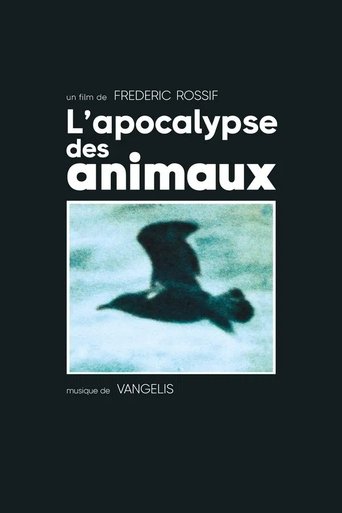 The Apocalypse of the Animals
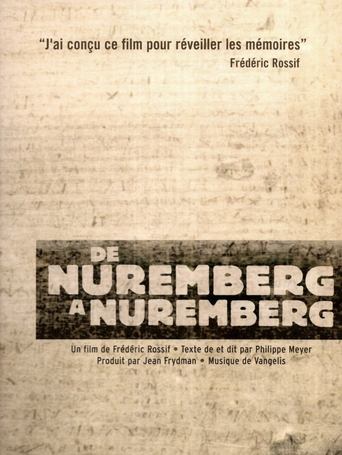 De Nuremberg à Nuremberg
Connected to Frédéric 6
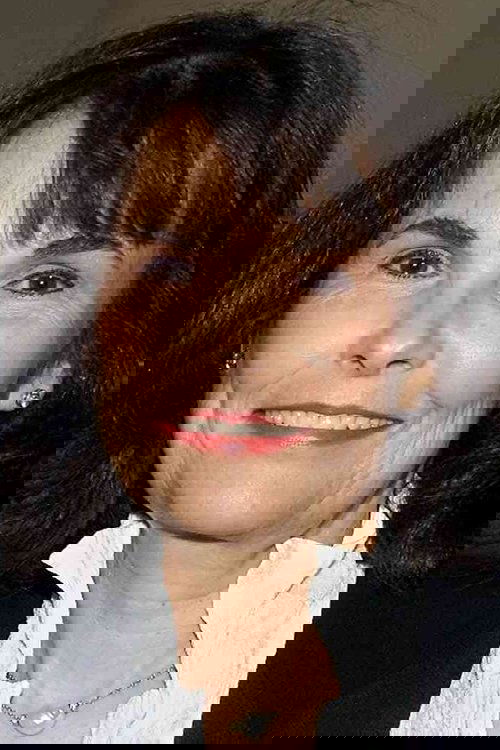 Francine RacetteAlso in As Far as Love Can Go (1971)
 Irene WorthAlso in To Die in Madrid (1963)
 Georges DescrièresAlso in A Wall in Jerusalem (1968)
 Henri LangloisAlso in Chagall dans son jardin a Saint-Paul-de-Vence (1970)
 Bethel LeslieAlso in The Animals (1963)
 Jean TissierAlso in Royal Affairs in Versailles (1953)
About this person
Frédéric Rossif was a Yugoslav-born French film and television director who specialized primarily in documentaries, frequently using archive footage. He covered subjects including contemporary artists such as Pablo Picasso, African wildlife, and 20th century history. Rossif's best known work was To Die in Madrid, a film about the Spanish Civil War for which he won the Prix Jean Vigo in 1963. One of his final works was From Nuremberg to Nuremberg, a three-hour television documentary about Nazi Germany. He frequently collaborated with notable composers Maurice Jarre and Vangelis.
 France
Fame.am measures public visibility signals. It does not measure human value, talent, morality, or credibility.